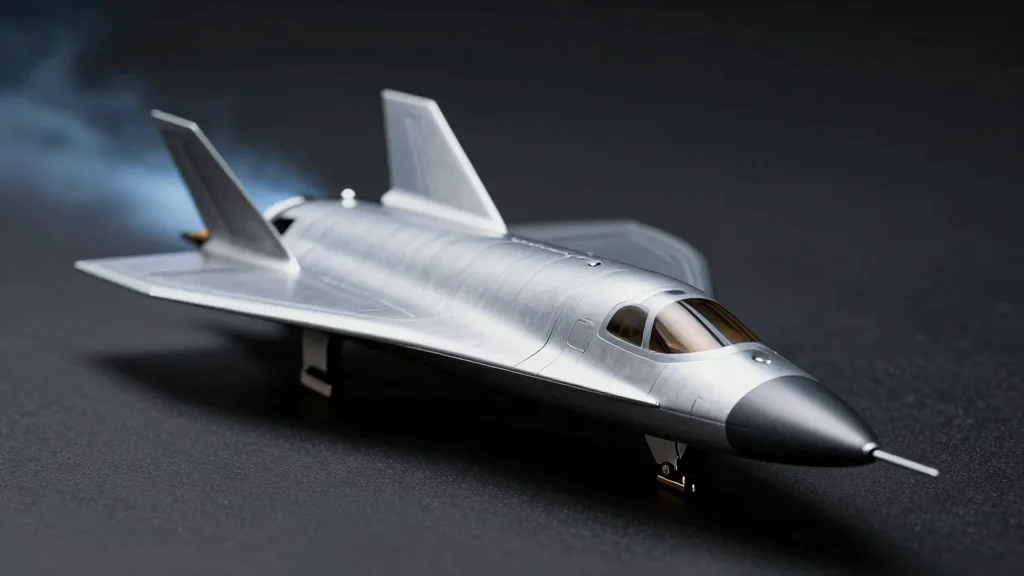
The U.S. Hypersonic Nuclear Weapon Is Already On Its Way
Why It Matters
A deployable hypersonic nuclear weapon could undermine existing deterrence frameworks and accelerate global hypersonic proliferation, reshaping the strategic balance.
Key Takeaways
- •U.S. aims to field hypersonic nuclear warhead by late 2020s
- •Program budget exceeds $2 billion, funded through defense appropriations
- •Vehicle reaches Mach 5+ with maneuverable glide capability
- •Low‑yield warhead designed for rapid, precise strike scenarios
- •Experts warn of destabilizing effects on nuclear deterrence
Pulse Analysis
The United States' push to field a hypersonic nuclear weapon reflects a broader shift toward faster, more survivable strike platforms. By marrying a maneuverable glide vehicle with a low‑yield nuclear warhead, the system promises to penetrate advanced missile defenses that have been built around traditional ballistic trajectories. This capability aligns with the Pentagon’s broader hypersonic initiative, which already includes conventional strike variants, and signals a willingness to invest heavily—over $2 billion—to maintain a qualitative edge in strategic weapons.
Strategically, the introduction of a hypersonic nuclear option could erode the long‑standing stability provided by mutually assured destruction. The weapon’s reduced flight time and unpredictable path make early warning and decision‑making more challenging for potential adversaries, raising the risk of miscalculation during a crisis. Allies in NATO have expressed unease, fearing that such capabilities could lower the threshold for nuclear use and compel other nuclear powers to develop comparable systems, potentially igniting a new arms race.
Policy analysts stress that the development also tests the limits of existing arms control frameworks. Current treaties, such as New START, do not explicitly address hypersonic delivery methods, leaving a regulatory gap that could be exploited. As the U.S. moves toward operational deployment, diplomatic engagement will be crucial to establish norms and prevent escalation. Stakeholders—from defense contractors to international regulators—must weigh the benefits of rapid response against the broader implications for global security and non‑proliferation efforts.
The U.S. Hypersonic Nuclear Weapon Is Already On its Way
Comments
Want to join the conversation?
Loading comments...