Why It Matters
The delay chips away at Taiwan's near‑term defense modernization while highlighting U.S. inventory constraints amid multiple overseas commitments. It also signals how geopolitical flashpoints can reshape arms‑export timelines and affect regional security calculations.
Key Takeaways
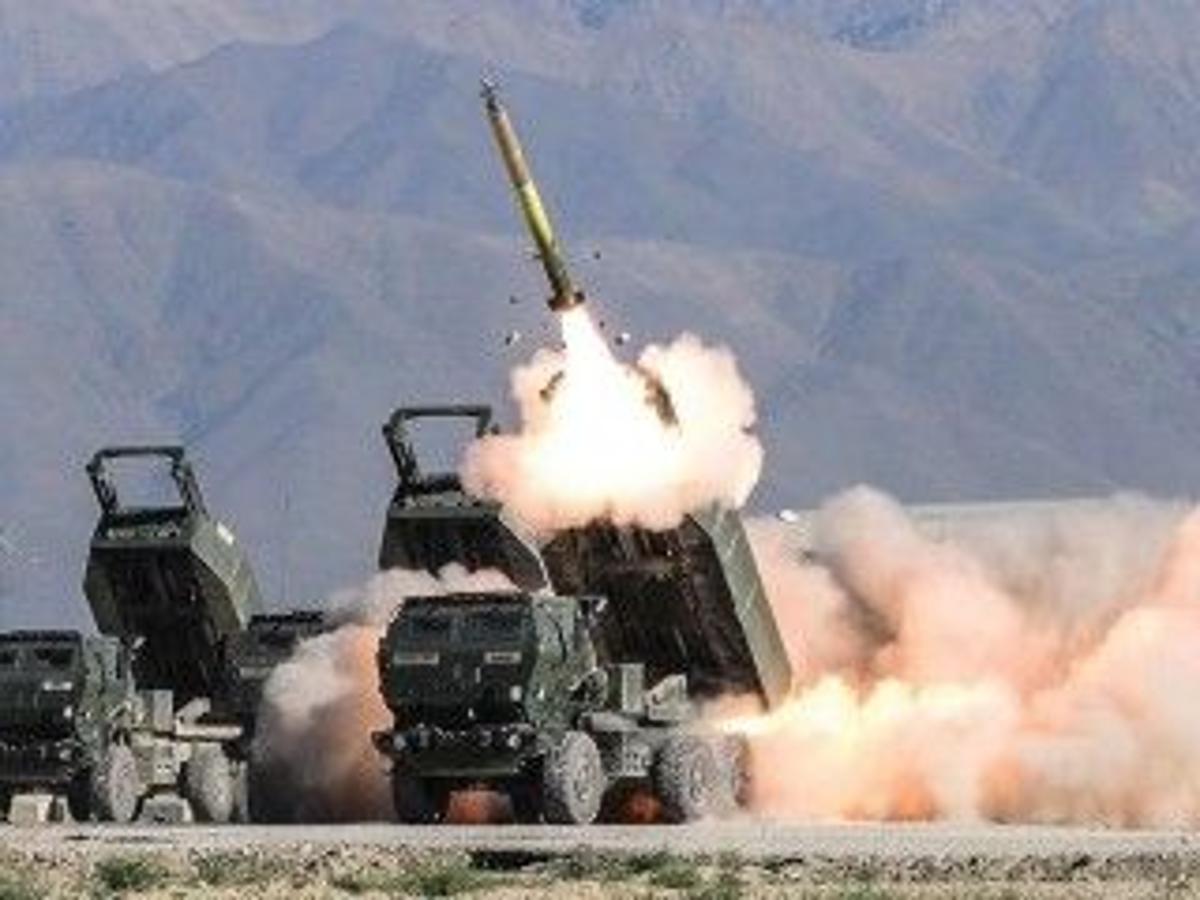
- •$11 billion Taiwan arms package includes HIMARS launchers, ATACMS missiles.
- •Delivery paused to preserve munitions for U.S. operations against Iran.
- •Acting Navy Secretary Hung Cao said foreign sales will resume when needed.
- •European allies also warned of possible delays on their weapons orders.
- •Suspension may affect Taiwan's defense readiness amid rising regional tensions.
Pulse Analysis
The $11 billion package approved in late 2025 represented the most substantial U.S. arms sale to Taiwan in a decade, bundling precision‑guided rockets, HIMARS launchers, and the long‑range ATACMS missile system. Such capabilities are central to Taiwan’s strategy of offsetting a numerically superior adversary, providing rapid, mobile firepower that can strike deep into contested zones. The deal also underscored Washington’s broader Indo‑Pacific pivot, reinforcing a supply chain of advanced weaponry that aligns with U.S. commitments under the Taiwan Relations Act.
The abrupt suspension stems from the Pentagon’s need to reallocate munitions for the ongoing conflict with Iran, an operation the Defense Department has labeled "Epic Fury." With Iranian forces drawing down U.S. stockpiles of rockets and missiles, senior officials warned that diverting inventory could jeopardize other foreign military sales. This logistical squeeze mirrors earlier reports of European allies facing similar delays, suggesting a systemic strain on the U.S. defense industrial base as multiple theaters compete for limited high‑explosive ordnance.
For Taiwan, the pause creates a short‑term gap in its modernization timetable, potentially affecting deterrence postures as Beijing escalates pressure. The move also sends a diplomatic signal to Beijing that U.S. support, while robust, is not immune to competing strategic priorities. Analysts expect the administration to resume shipments once inventory levels stabilize, but the episode may prompt Taiwan to diversify its procurement sources or accelerate domestic defense initiatives. In the broader market, the delay could ripple through defense contractors’ earnings forecasts, as the timing of revenue recognition for high‑value systems like HIMARS becomes uncertain.
The U.S. is suspending arms shipments to Taiwan
Comments
Want to join the conversation?
Loading comments...