Why It Matters
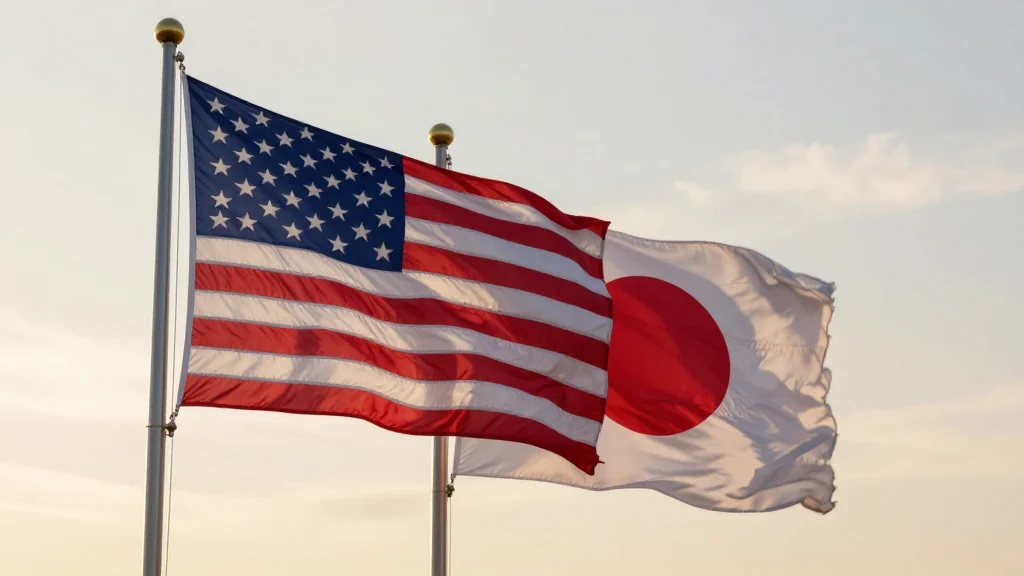
The dialogue highlights the strategic importance of the U.S.–Japan partnership amid shifting Indo‑Pacific geopolitics, shaping defense, trade, and technology policies for both nations and their business communities.
Key Takeaways
- •Trump‑Takaichi “golden age” signals deeper bilateral ties
- •Yachi’s keynote highlighted security agenda for next decade
- •Panels discussed technology sharing and supply‑chain resilience
- •RAND partnership provides data‑driven policy recommendations
- •Video recordings enable public access to alliance discourse
Pulse Analysis
The United States and Japan have long anchored security in the Indo‑Pacific, but the partnership entered a new phase in early 2026 when President Donald Trump and Prime Minister Sanae Takaichi proclaimed a “new golden age” of cooperation. The declaration came amid rising Chinese maritime activity, supply‑chain disruptions, and rapid advances in artificial‑intelligence‑driven weapons. By framing the alliance as both a deterrent and an engine for economic growth, both capitals aim to lock in strategic advantages that extend beyond traditional defense pacts.
The 12th annual RAND‑hosted U.S.–Japan Alliance Series, held on February 17, 2026, brought together policymakers, scholars, and industry leaders from both nations. Shotaro Yachi, Japan’s inaugural national security advisor, delivered a keynote that emphasized cyber‑defense, joint missile‑intercept capabilities, and the need for a coordinated response to emerging threats. Panel discussions delved into technology sharing, semiconductor supply‑chain resilience, and the role of private‑sector innovation in bolstering collective security. RAND’s involvement ensures that the dialogue is anchored in rigorous research, producing actionable recommendations for government and corporate strategists.
For businesses, the conference signals a clearer roadmap for investment in defense‑related R&D and cross‑border joint ventures. Companies that can align with the emerging standards on data security, AI ethics, and interoperable hardware stand to capture market share as the U.S. and Japan deepen procurement ties. Moreover, the public video archive expands transparency, allowing analysts to track policy shifts in real time. As the alliance moves from rhetoric to concrete projects, stakeholders across finance, technology, and logistics will need to adapt to a more integrated Indo‑Pacific ecosystem.
The U.S.-Japan Alliance: Today and Beyond
Comments
Want to join the conversation?
Loading comments...