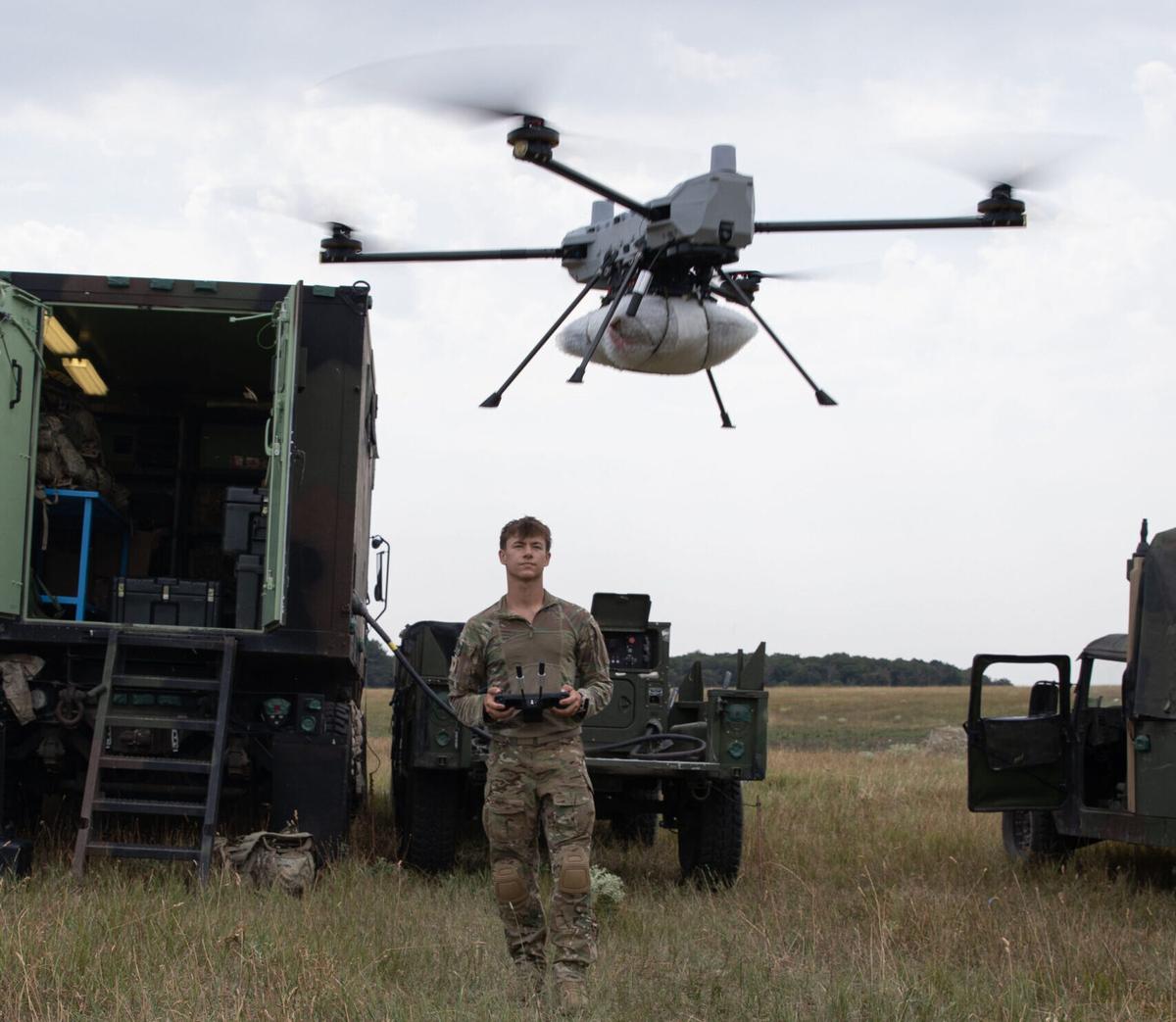
The US Needs a Comprehensive Batteries Strategy to Ensure Its Battlefield Edge
Companies Mentioned
Why It Matters
Battery power is becoming central to modern warfare, so supply‑chain dependence threatens U.S. operational superiority. A coordinated strategy would protect national security and preserve technological leadership.
Key Takeaways
- •China produces over 80% of global battery cells.
- •Chinese firms control 98% of LFP cathode output.
- •US lacks a unified battery strategy, hindering defense readiness.
- •Allies could co‑develop solid‑state or lithium‑sulfur batteries to leapfrog China.
- •Advanced batteries would boost drones, directed‑energy weapons, and submarine endurance.
Pulse Analysis
China’s battery dominance is the product of a deliberate industrial‑policy playbook that combined massive subsidies, mineral‑access guarantees, and a booming domestic EV market. By controlling virtually every step of the supply chain—from raw‑material refining to cell assembly—Beijing can drive prices down, expand export volumes, and accelerate technical advances that spill over into military applications. This strategic depth gives the People’s Liberation Army access to higher‑energy‑density cells, faster‑charging systems, and more resilient power sources, eroding the United States’ traditional advantage in defense technology.
On the battlefield, batteries are no longer a peripheral component; they power autonomous drones, directed‑energy weapons, and next‑generation submarines. Faster‑charging lithium‑ion packs enable higher sortie rates for quadcopter swarms, while high‑discharge chemistries are essential for laser‑based counter‑drone systems. The U.S. military’s reliance on imported cells creates a vulnerability that could limit operational tempo and force redesigns of critical platforms. Breakthroughs in solid‑state or lithium‑sulfur batteries would deliver higher energy density, lower weight, and reduced dependence on graphite and other minerals where China holds sway, directly enhancing payload capacity, endurance, and survivability of U.S. forces.
To counter this trend, policymakers must craft a national battery strategy that aligns commercial incentives with defense needs. A moonshot program, modeled on the Defense Advanced Research Projects Agency’s successful initiatives, could fund rapid prototyping of next‑generation chemistries and scale up production through public‑private partnerships. Collaboration with allies such as Japan, South Korea, and NATO members would pool R&D resources, share critical mineral supplies, and create a diversified manufacturing base. By leapfrogging current lithium‑ion technology, the United States can re‑establish technological leadership, safeguard supply chains, and ensure that future conflicts are fought on its terms.
The US needs a comprehensive batteries strategy to ensure its battlefield edge
Comments
Want to join the conversation?
Loading comments...