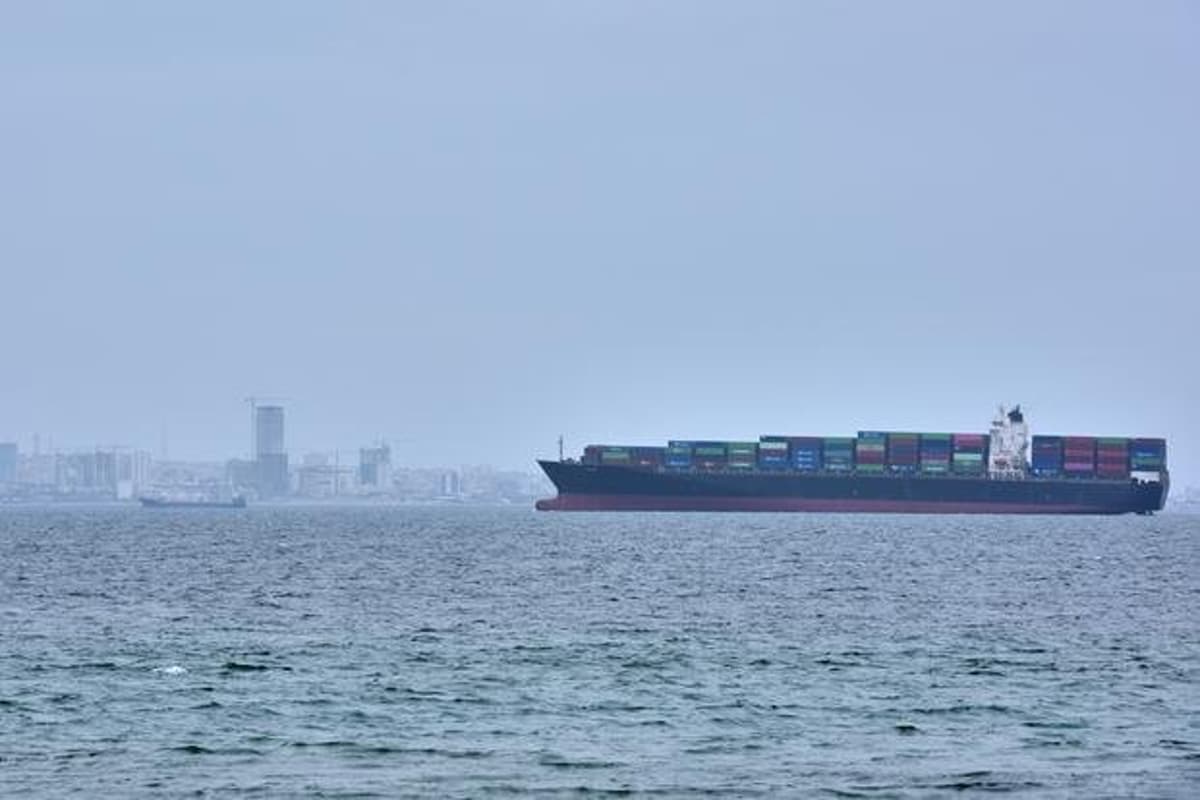
The US Protected Ships From Iran in the Strait of Hormuz in the '80s. Could It Again?
Why It Matters
Securing Hormuz is critical to preventing spikes in energy prices and safeguarding international trade routes, while a U.S.‑led escort could reshape naval engagement rules in the region.
Key Takeaways
- •Iran’s small‑boat tactics threaten commercial shipping in Hormuz
- •20% of global oil and gas transits the strait daily
- •1980s “Operation Earnest Will” escorted ~70 convoys under clear goals
- •Modern tech and asymmetric threats make repeat escort missions far riskier
- •European navies reluctant to join U.S. escort effort without ceasefire
Pulse Analysis
The Strait of Hormuz remains a chokepoint where roughly one‑fifth of the world’s petroleum flows, so any threat to its safety reverberates through global markets. During the 1980s, the U.S. Navy launched Operation Earnest Will, re‑flagging Kuwaiti tankers and shepherding them past Iranian mines and missiles. That campaign succeeded in keeping oil moving, but it operated under a narrow mandate and a clear Cold‑War context that is absent today.
Today’s environment is markedly different. Iran’s Revolutionary Guard has refined low‑cost, high‑impact tactics—fast attack boats, swarms of drones, and precision missiles—that can overwhelm conventional naval defenses. Advances in surveillance and weaponry have not eliminated the asymmetry; instead, they have expanded the range and lethality of small platforms. Coupled with ambiguous U.S. objectives—ranging from regime change to broader regional stability—these factors make a repeat of the 1980s escort model far more complex and risky.
The stakes extend beyond military calculus. Disruption in Hormuz would likely trigger sharp spikes in oil and natural‑gas prices, pressuring economies already coping with inflationary pressures. While the U.S. can project power, sustaining a continuous escort fleet would demand significant resources and diplomatic buy‑in, especially from European partners wary of escalation. Alternatives such as diplomatic pressure, targeted sanctions, or multilateral security frameworks may prove more viable, but they require a coordinated approach that balances deterrence with the risk of broader conflict.
The US protected ships from Iran in the Strait of Hormuz in the '80s. Could it again?
Comments
Want to join the conversation?
Loading comments...