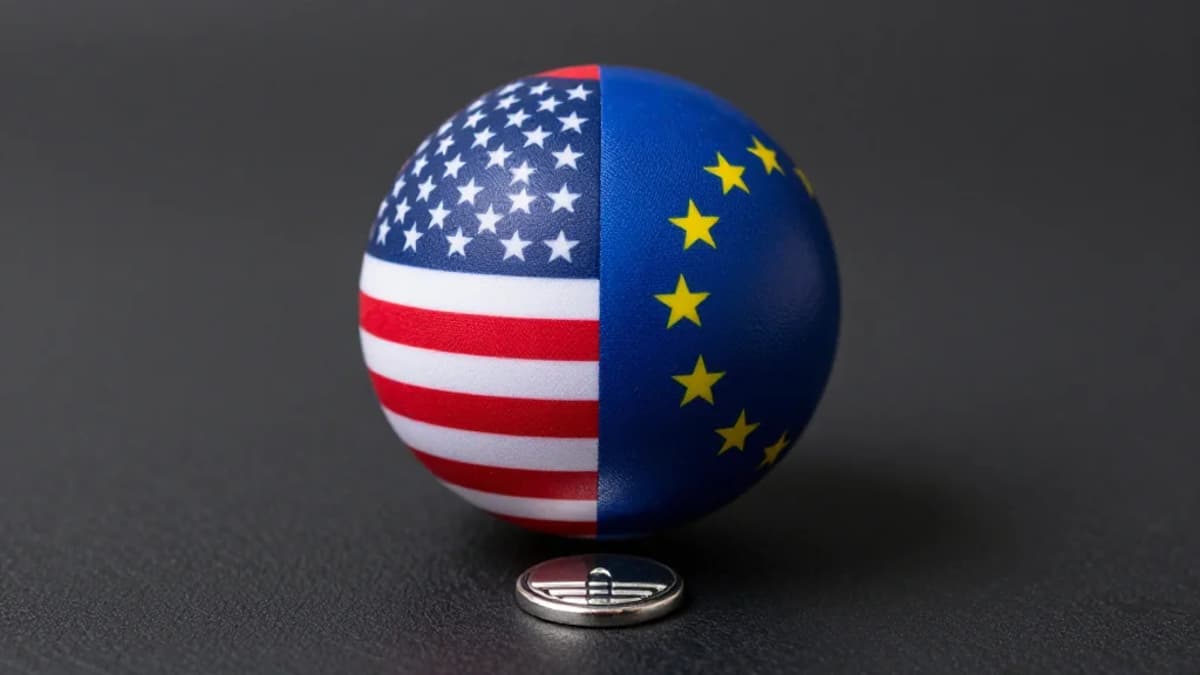
The West vs the West at Munich
•February 16, 2026
0
Why It Matters
Rubio’s pledge reassures European allies and reduces geopolitical uncertainty, strengthening NATO’s strategic unity. This shift can influence defense spending, supply chains, and investor confidence across the Atlantic.
Key Takeaways
- •Rubio pledged unwavering US commitment to Europe.
- •Standing ovation reflected European relief.
- •Signals shift from Trump-era NATO tensions.
- •May boost transatlantic defense cooperation.
- •Could stabilize markets dependent on security outlook.
Pulse Analysis
The Munich Security Conference has long served as the barometer for transatlantic dialogue, especially when U.S. foreign policy appears erratic. During the past four years, the Trump administration repeatedly challenged NATO’s relevance, questioning defense spending commitments and even hinting at a reduced American footprint in Europe. Those signals created ripples across European capitals, prompting budget reallocations and heightened diplomatic activity. Against that backdrop, the appearance of a senior U.S. official delivering a reassuring message carried amplified significance, turning the annual gathering into a litmus test for renewed alliance confidence.
In his Munich address, Marco Rubio emphasized that ‘the fate of Europe will never be irrelevant to our own,’ a direct repudiation of earlier rhetoric that cast doubt on collective security. By framing Europe’s security as integral to U.S. interests, Rubio not only restored diplomatic goodwill but also set the stage for concrete policy adjustments, such as reaffirming the 2 percent GDP defense spending target and supporting joint exercises. Analysts interpret the standing ovation as a symbolic endorsement from European leaders, suggesting that the administration is prepared to engage more constructively with NATO partners.
The diplomatic pivot has immediate ramifications for businesses tied to defense, energy, and technology sectors that rely on stable security environments. A reinforced NATO commitment can accelerate procurement cycles for U.S. and European defense contractors, while reducing risk premiums for investors in regions previously perceived as vulnerable. Energy firms may also benefit from a more predictable geopolitical landscape, easing concerns over supply disruptions. As the transatlantic partnership steadies, market participants are likely to recalibrate forecasts, anticipating steadier growth in defense spending and related supply chains.
The West vs the West at Munich
0
Comments
Want to join the conversation?
Loading comments...