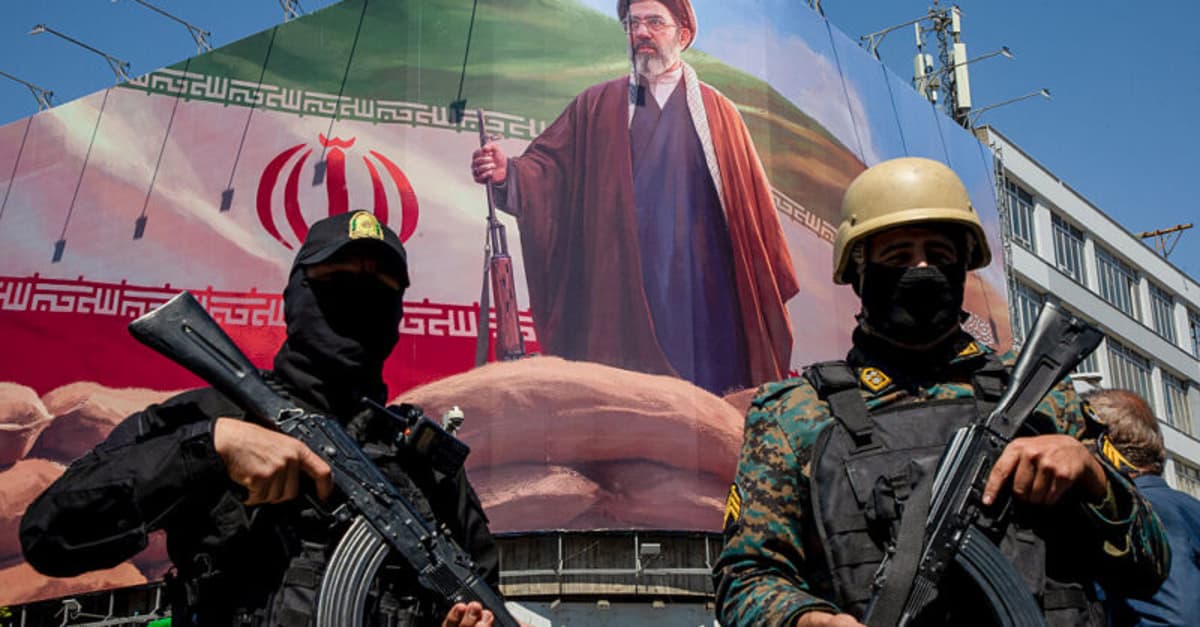
“There Is a 50-50 Chance Iran Will Detonate a Nuclear Weapon Within the Next Three Years”
Why It Matters
A nuclear‑armed Iran would reshape Middle‑East security, force regional arms races, and undermine U.S. credibility in future non‑proliferation deals.
Key Takeaways
- •Iran may charge $2 million per tanker crossing Hormuz
- •Iran retains deep‑underground HEU stockpiles despite US strikes
- •50% chance Iran builds a bomb within three years
- •US credibility in non‑proliferation deals is eroding
Pulse Analysis
The prospect of Iran acquiring a nuclear weapon has moved from a distant concern to a near‑term strategic calculation. James Acton’s 50‑50 estimate reflects Iran’s ability to rebuild a weapons‑grade program quickly, thanks to hidden highly enriched uranium stores and a cadre of experienced technicians. Even after the 2024 strikes that destroyed many surface facilities, deep‑buried sites like the Isfahan tunnels remain largely untouchable, allowing Tehran to resume enrichment or develop a compact bomb design within a year or two if political will aligns.
Negotiations over the Strait of Hormuz add another layer of pressure. Iran’s demand for a $2 million fee per crude carrier—or roughly $1 per barrel—leverages its control of a critical oil chokepoint to extract economic concessions and signal its willingness to use maritime pressure. While the toll could generate significant revenue, prolonged closures risk pushing Gulf states toward costly alternative routes, potentially diminishing Iran’s leverage over time. The U.S. must balance the immediate need to keep the waterway open with the longer‑term goal of preventing nuclear proliferation.
The broader implications extend beyond Tehran. A nuclear‑armed Iran would likely trigger a cascade of proliferation incentives across the region, from Saudi Arabia’s overt interest in acquiring its own deterrent to heightened nuclear debates in Europe and East Asia. Moreover, the United States’ ability to negotiate credible non‑proliferation agreements is now under scrutiny, as past treaty withdrawals and inconsistent military actions have eroded trust. Restoring diplomatic credibility, possibly through a limited enrichment cap or verifiable inspections, will be essential to prevent a destabilizing arms race and maintain global non‑proliferation norms.
“There is a 50-50 chance Iran will detonate a nuclear weapon within the next three years”
Comments
Want to join the conversation?
Loading comments...