'This Is How We Prevail in the Pacific': US, Allies Train to Repel Amphibious Assault
Why It Matters
The exercise demonstrates tangible, multi‑domain readiness of U.S. and partner forces, reinforcing deterrence against China while deepening alliance interoperability in the Indo‑Pacific.
Key Takeaways
- •US, Philippines, Japan conducted live-fire amphibious defense drills near Taiwan
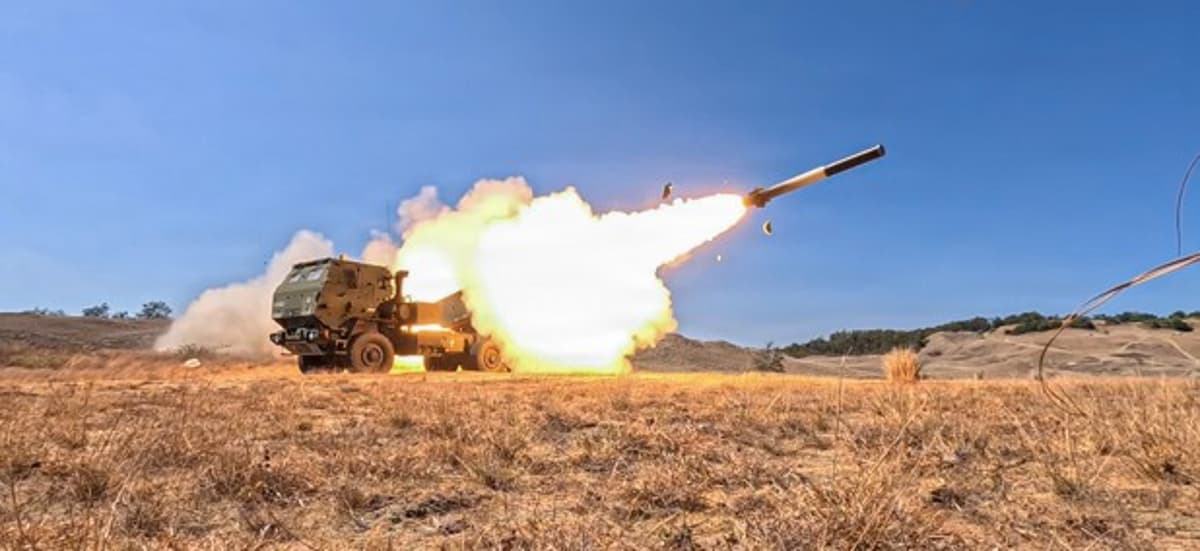
- •HIMARS, loitering drones, and unmanned surface vessels integrated for synchronized fires
- •Exercise tests Army’s maritime deep battle across land, sea, air domains
- •New weapons and Lightning Lab‑built drones showcased rapid modernization of 25th ID
- •Training reinforces deterrence strategy to deny China regional aggression
Pulse Analysis
Balikatan’s latest amphibious‑defense scenario reflects a shift in U.S. strategy toward high‑intensity, joint operations in the Indo‑Pacific. By staging the drill on the Philippines’ La Paz dunes, just under 400 miles from Taiwan’s southern tip, the United States signals a forward‑deployed posture that directly addresses Beijing’s maritime ambitions. The proximity to Taiwan adds credibility to Admiral Samuel Paparo’s Senate testimony that credible, prompt combat power is essential to deter aggression and protect regional stability.
The exercise showcased a layered technology stack that blends legacy artillery with cutting‑edge unmanned systems. HIMARS rockets fired in concert with long‑range Stalker reconnaissance drones, short‑range loitering munitions and in‑house Lightning Lab surface vessels, creating a synchronized fire network that can engage targets from the beach to deep water. This “maritime deep battle” approach blurs traditional service boundaries, allowing Army artillery to shape the battlespace alongside Navy and Air Force assets, and testing the viability of rapid sensor‑to‑shooter cycles in a contested environment.
Strategically, the drill reinforces the United States’ alliance framework and its asymmetric advantage in the region. By integrating Philippine and Japanese troops, the United States demonstrates that combined‑arms readiness is not a U.S.–only capability but a shared, interoperable force. The visible deployment of new weapons and drones signals to Beijing that modernization is accelerating, while providing allies with hands‑on experience that lowers the threshold for future joint operations. As China expands its naval footprint, such exercises become pivotal in shaping deterrence calculus and ensuring that the Pacific remains a domain where democratic partners can collectively prevail.
'This is how we prevail in the Pacific': US, allies train to repel amphibious assault
Comments
Want to join the conversation?
Loading comments...