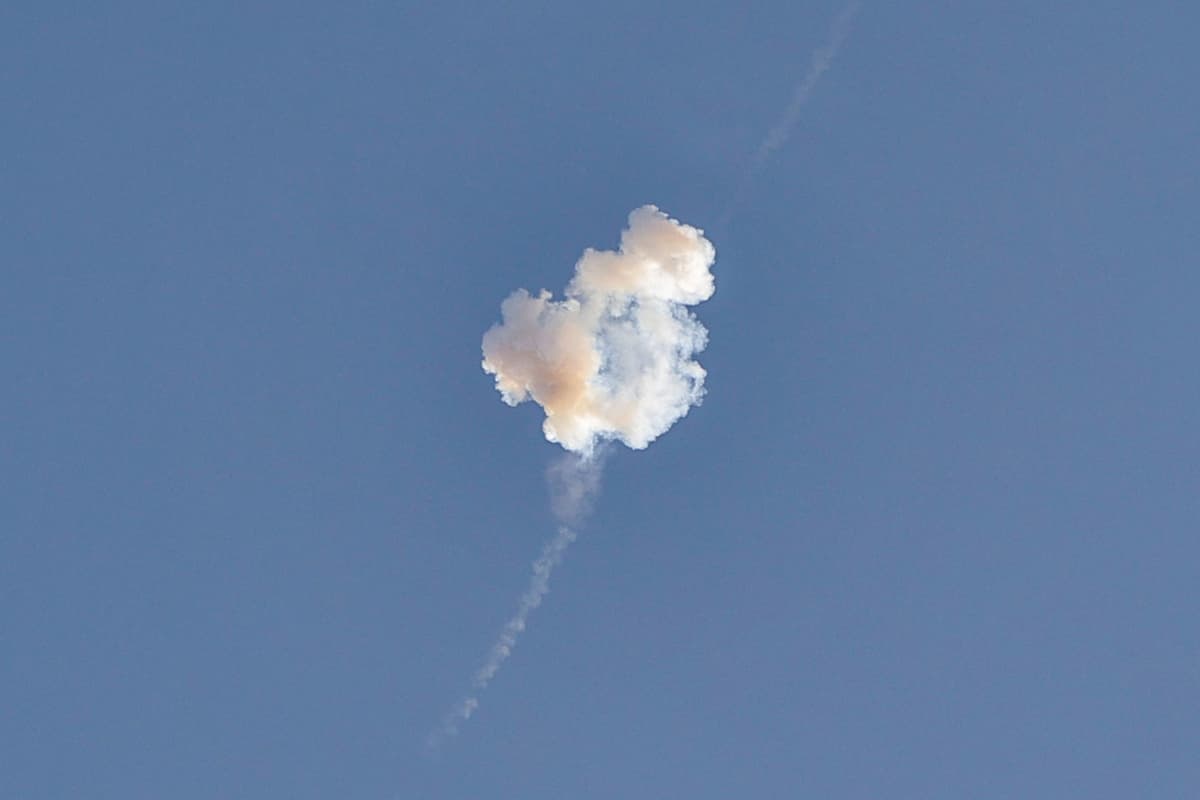
This Is the System That Intercepted Iran’s Missiles Over the UAE
•February 28, 2026
0
Why It Matters
The event proves the strategic value of Gulf missile‑defense investments while exposing the civilian danger posed by interceptor debris, influencing regional security calculations.
Key Takeaways
- •UAE used THAAD and Patriot to intercept Iranian missiles
- •Interception debris caused civilian fatality in Abu Dhabi
- •THAAD provides high‑altitude kinetic “hit‑to‑kill” capability
- •AN/TPY‑2 radar tracks threats hundreds of kilometres away
- •Layered defense gives multiple interception opportunities before impact
Pulse Analysis
The UAE’s recent interception of Iranian ballistic missiles illustrates how Gulf states have transformed their air‑defense postures in response to a rapidly expanding regional missile threat. Iran’s sizable arsenal, combined with heightened geopolitical tensions, has driven Emirates, Saudi Arabia and Qatar to procure advanced systems that can engage threats at both high and low altitudes. By integrating U.S.-origin THAAD and Patriot platforms, the UAE creates a redundant shield that reduces the probability of a successful strike, a model increasingly adopted across the Middle East.
Technically, THAAD’s hit‑to‑kill kinetic interceptors operate in the exo‑atmospheric phase, relying on the AN/TPY‑2 X‑band radar to detect and track missiles hundreds of kilometres away. Once a launch is confirmed, command‑and‑control nodes calculate a precise intercept point, launching THAAD missiles that collide with the target at hypersonic speeds. Should the high‑altitude shot miss or the threat descend faster than anticipated, the Patriot’s lower‑altitude PAC‑3 missiles provide a second line of defense. This layered architecture compresses decision‑making cycles to seconds, a necessity when missiles travel over 20,000 km/h.
While the successful interceptions demonstrate the efficacy of this network, the tragic civilian death from falling debris highlights an often‑overlooked downside. Fragmentation at altitude can still pose hazards to populated areas, prompting calls for improved debris mitigation and tighter engagement zones. The incident also reinforces the strategic partnership between the United States and the UAE, as American technology underpins the shield protecting both Emirati and U.S. forces stationed at Al Dhafra. Looking ahead, Gulf nations are likely to expand radar coverage and explore directed‑energy solutions to further reduce collateral risk and maintain deterrence against evolving missile capabilities.
This Is the System That Intercepted Iran’s Missiles Over the UAE
0
Comments
Want to join the conversation?
Loading comments...