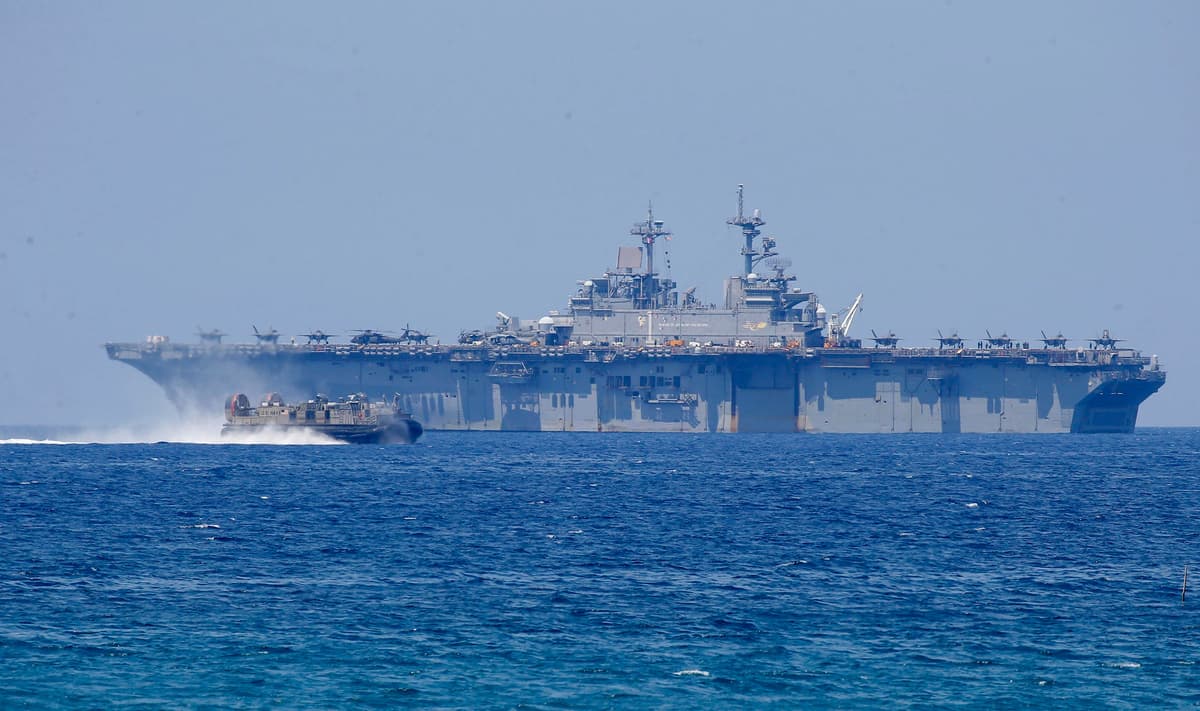
This U.S Navy ‘Flattop’ Was Given A Five-Year Service Life Extension
Why It Matters
Extending the Wasp’s service buys time for the Navy to address shipbuilding delays and sustain amphibious readiness, crucial for power‑projection in contested regions. The decision highlights systemic maintenance challenges that could affect future fleet composition.
Key Takeaways
- •USS Wasp receives five‑year service extension to 2034
- •Navy explores extending LHD service lives up to 53 years
- •Delays in America‑class builds force reliance on aging LHDs
- •Maintenance backlogs keep half of amphibious fleet non‑deployment‑ready
- •Law mandates at least 31 amphibious ships, including 10 big‑deck vessels
Pulse Analysis
The extension of USS Wasp’s operational life reflects a pragmatic response to a widening gap between demand for amphibious capability and the pace of new‑build delivery. While the Wasp‑class ships were designed for a 40‑year lifespan, the Navy’s study of 46‑ to 53‑year extensions underscores a willingness to invest in mid‑life upgrades, hull integrity assessments, and propulsion refurbishments. This approach not only preserves a critical platform for Marine Expeditionary Units but also mitigates the strategic risk of a temporary shortfall in large‑deck assets as the America‑class hulls encounter schedule slips.
America‑class amphibious assault ships, such as the upcoming USS Bougainville and USS Fallujah, have been delayed by supply‑chain constraints and budget reallocations, pushing commissioning dates well beyond original targets. Those delays force the fleet to lean on the aging Wasp‑class, which already suffers from recurring engineering issues and a maintenance backlog that keeps roughly half of the amphibious fleet in port. By extending service lives, the Navy can spread out modernization costs, prioritize critical system overhauls, and keep a viable number of ships forward‑deployed for missions ranging from humanitarian assistance to contested littoral operations.
From a strategic perspective, the decision signals that the Navy views amphibious ships as essential multipurpose assets, especially as the number of nuclear‑powered carriers available for rapid response shrinks. Keeping the Wasp in service through 2034 ensures a floating base capable of deploying up to 1,900 troops, helicopters, and landing craft, reinforcing U.S. presence in hotspots like the Indo‑Pacific and the Middle East. However, reliance on aging hulls also raises questions about long‑term sustainability, prompting lawmakers and defense planners to accelerate shipyard capacity and explore alternative acquisition models to avoid future capability gaps.
This U.S Navy ‘Flattop’ Was Given A Five-Year Service Life Extension
Comments
Want to join the conversation?
Loading comments...