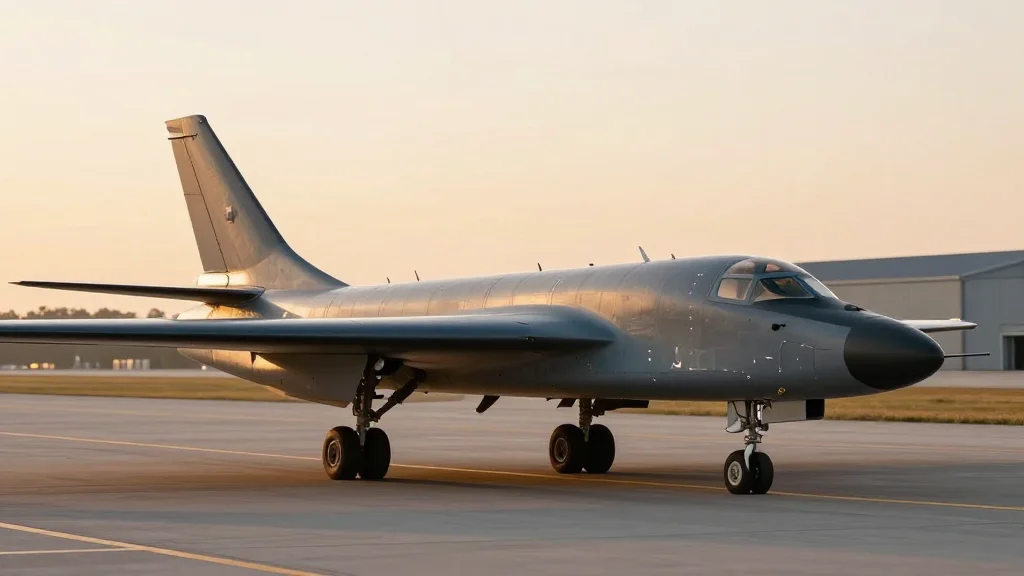
Tinker Brings the B-1 Back to the Fight
Why It Matters
Reactivating the B‑1 at Tinker bolsters the Air Force’s conventional strike capacity and enhances deterrence posture, especially in the Indo‑Pacific where bomber presence is a key strategic lever.
Key Takeaways
- •B‑1 Lancer resumes sorties from Tinker AFB after upgrades
- •Modernized avionics extend B‑1's strike range and precision
- •Reactivation supports Pacific deterrence amid rising China tensions
- •Air Force expects $1.2 billion cost savings over B‑2 lifecycle
Pulse Analysis
The B‑1 Lancer, a supersonic, long‑range bomber introduced in the early 1980s, has long been a cornerstone of the United States’ conventional strike arsenal. Tinker Air Force Base, home to the Air Force’s premier bomber maintenance wing, recently completed a multi‑year modernization program that refreshed the aircraft’s digital cockpit, upgraded its terrain‑following radar, and integrated next‑generation precision‑guided munitions. These enhancements not only improve mission effectiveness but also extend the platform’s service life, ensuring the B‑1 remains relevant amid evolving threat environments.
Beyond hardware upgrades, the reactivation reflects a strategic shift toward leveraging legacy platforms to fill capability gaps while newer systems, such as the B‑21 Raider, mature. The B‑1’s ability to carry a large payload over intercontinental distances at high speed makes it a versatile tool for both rapid conventional strikes and sustained deterrence patrols. By modernizing existing airframes, the Air Force can achieve significant cost efficiencies; analysts estimate the B‑1 program will save roughly $1.2 billion compared with operating the more expensive B‑2 Spirit over the same period.
In the broader geopolitical context, the restored B‑1 presence at Tinker reinforces U.S. commitments in the Indo‑Pacific, where Chinese military modernization has heightened regional tensions. Deployable bomber units serve as a visible signal of American resolve, providing a flexible response option that can be projected from continental U.S. bases without the need for forward deployment. As the Air Force balances legacy fleet upgrades with next‑generation bomber development, the B‑1’s return to the fight underscores the enduring value of adaptable, cost‑effective airpower in maintaining global stability.
Tinker brings the B-1 back to the fight
Comments
Want to join the conversation?
Loading comments...