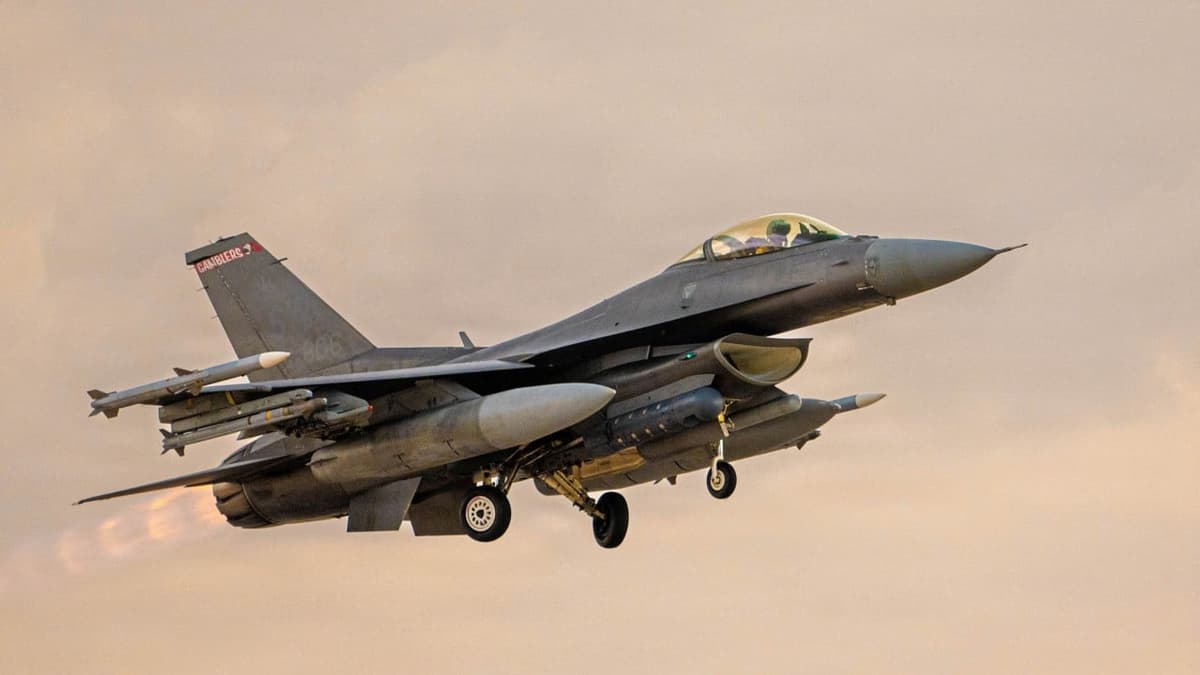
Top Peru Ministers Resign in Protest over Stalled US Fighter Jet Deal
Why It Matters
The resignations expose how defense procurement can become a flashpoint in political instability, jeopardizing Peru’s security modernization and straining U.S.–Peru strategic ties.
Key Takeaways
- •Foreign and defence ministers quit over $3.5 bn F‑16 deal suspension
- •Interim president postponed deal until post‑election runoff, raising credibility concerns
- •U.S. ambassador warned of consequences for bad‑faith negotiations with Washington
- •F‑16s were selected over France's Rafale and Sweden's Gripen in February
- •Peru's defense procurement now tied to uncertain presidential runoff outcome
Pulse Analysis
The stalled $3.5 billion F‑16 acquisition reflects Peru’s urgent need to replace an aging air‑defence fleet. After a February evaluation favored the American jet over France’s Rafale and Sweden’s Gripen, the contract promised to deliver state‑of‑the‑art capabilities and deepen defense cooperation with Washington. At roughly $145 million per aircraft, the deal would have positioned Peru among the few Latin American nations operating fourth‑generation fighters, enhancing its deterrence posture against regional threats and illicit trafficking.
Political turbulence turned the procurement into a casualty of the 2024 presidential race. Interim President José María Balcazar’s decision to defer the agreement until a post‑runoff president is elected sparked accusations of undermining national credibility. The resignations of Foreign Minister Hugo de Zela and Defence Minister Carlos Díaz underscore how defense contracts can become bargaining chips in power struggles. Their statements framed the F‑16 purchase as a security imperative, not a partisan issue, while the U.S. ambassador’s public warning signaled Washington’s willingness to leverage diplomatic tools to protect its defense interests.
The episode highlights broader risks for defense exporters operating in politically volatile markets. For Boeing and Lockheed Martin, the loss of a high‑profile Latin American customer could reverberate across the region’s aircraft pipeline, prompting firms to reassess contract structures and political risk assessments. For Peru, the delay may force a costly renegotiation or a shift to alternative platforms, potentially weakening its air‑defence modernization timeline. As the June runoff approaches, the outcome will likely dictate whether the F‑16 deal is revived, altered, or abandoned, shaping both Peru’s security trajectory and its strategic alignment with the United States.
Top Peru ministers resign in protest over stalled US fighter jet deal
Comments
Want to join the conversation?
Loading comments...