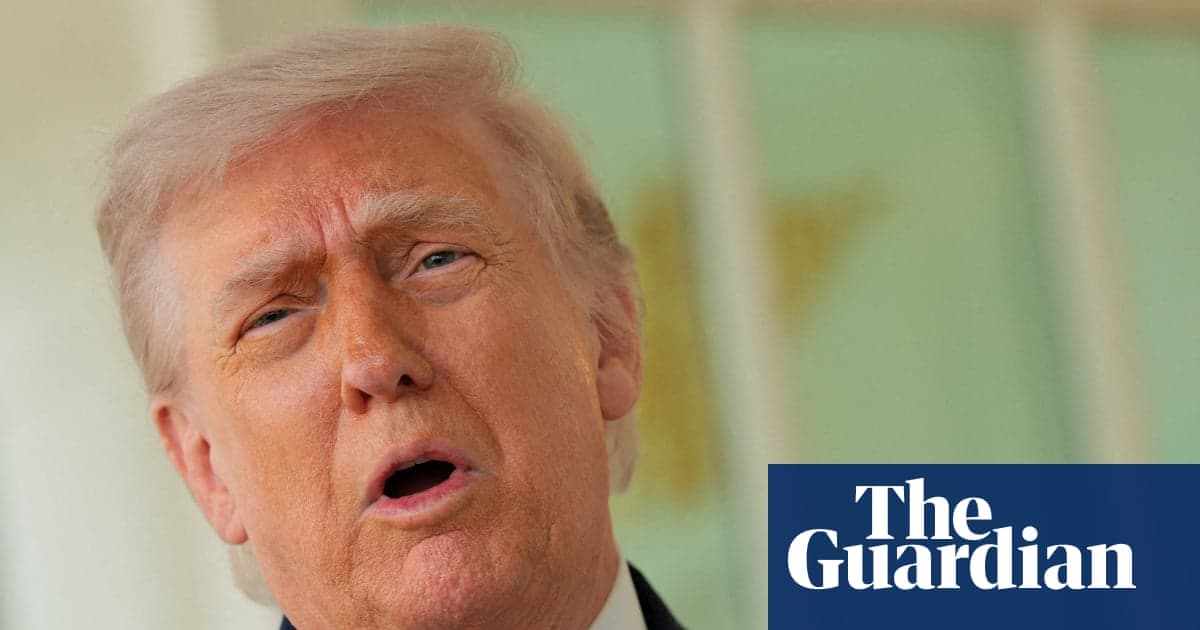
Trump and Iran in Battle of the Blockades – The Latest
Why It Matters
By curbing Iran’s oil shipments, the blockade threatens global energy prices and tests the limits of U.S. maritime enforcement, reshaping Middle‑East power dynamics.
Key Takeaways
- •U.S. blockade targets ships docking at Iranian ports
- •Iran‑linked tankers still crossing Hormuz
- •Oil‑dependent Iranian economy faces heightened pressure
- •Stalled talks push Washington toward coercive tactics
Pulse Analysis
The United States’ decision to enforce a maritime blockade around Iranian ports marks a decisive escalation in a long‑standing confrontation over Tehran’s oil exports. Historically, Washington has relied on sanctions and diplomatic pressure to curb Iran’s nuclear ambitions and regional influence. By extending that strategy to the high‑traffic Strait of Hormuz, the world’s narrowest oil corridor, the U.S. is leveraging a choke point that moves beyond sanctions to physical interdiction. This approach reflects a broader trend of great‑power powers employing naval assets to enforce economic objectives, echoing Cold‑War era blockades while navigating modern international law.
The immediate economic fallout is already evident in oil markets. Analysts note that even a modest reduction in Iranian crude flow can tighten global supply, nudging Brent and WTI futures upward by several dollars per barrel. Iran, whose export revenues fund both domestic programs and proxy networks, now faces a sharper fiscal squeeze, potentially accelerating inflation and prompting a search for alternative buyers in Asia. Meanwhile, shipping firms are recalibrating routes, weighing the risk of detention against higher insurance premiums. The blockade also forces regional players—Saudi Arabia, the United Arab Emirates, and Oman—to reassess their own export strategies and diplomatic postures, as any misstep could trigger broader maritime confrontations.
Looking ahead, the blockade’s durability will hinge on diplomatic developments and the willingness of the international community to support or condemn U.S. actions. If Washington can sustain pressure without provoking a direct military clash, it may extract concessions in future negotiations. Conversely, persistent Iranian defiance or retaliatory attacks on commercial shipping could draw NATO and allied navies deeper into the region, raising the specter of a wider conflict. Stakeholders—from energy traders to multinational corporations—must monitor the evolving legal debates and geopolitical signals, as the balance between coercive economics and open seas remains precariously poised.
Trump and Iran in battle of the blockades – The Latest
Comments
Want to join the conversation?
Loading comments...