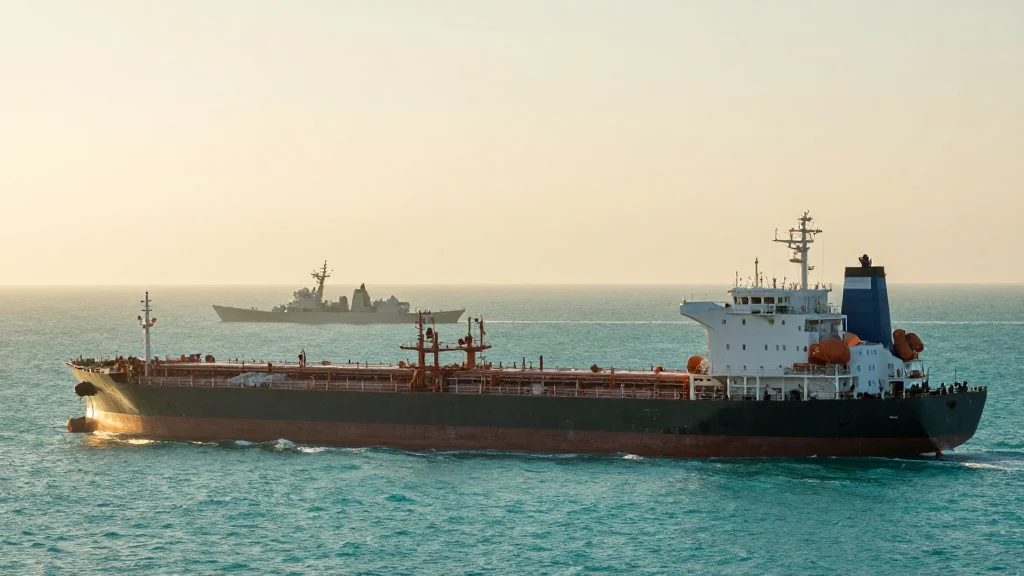
Trump and Xi Agree to Keep Strait of Hormuz Open, Reject Toll Plans

Why It Matters
The Strait of Hormuz is a strategic chokepoint that carries roughly one‑fifth of global oil and LNG exports. A disruption would not only spike energy prices but also force defence ministries to re‑evaluate fuel logistics for naval operations worldwide. By aligning on the need to keep the waterway open, the United States and China reduce the immediate risk of a maritime flashpoint that could draw NATO and regional forces into a broader conflict. Beyond energy, the joint statement reflects a rare diplomatic convergence between two rival powers on a defence‑related issue. It demonstrates that even amid heightened tensions over Taiwan, trade, and AI, both capitals recognise the mutual economic and security costs of a closed Hormuz. This could pave the way for future cooperation on other maritime security challenges, such as piracy in the Gulf of Aden or freedom of navigation in the South China Sea.
Key Takeaways
- •White House statement: "The two sides agreed that the Strait of Hormuz must remain open to support the free flow of energy."
- •Chinese foreign ministry: Xi opposes militarisation and tolls on the Strait, and seeks more U.S. oil purchases.
- •Iran has restricted Hormuz transits since March, requiring IRGC negotiation for passage.
- •The strait carries ~20% of global oil and LNG shipments, making its openness critical for energy markets.
- •U.S. naval blockade on Iranian ports announced in April adds further pressure on the corridor.
Pulse Analysis
The Trump‑Xi convergence on Hormuz is less a strategic partnership than a pragmatic alignment of interests. Both nations depend on uninterrupted energy flows to sustain their economies and fund defence spending. For Washington, a stable Hormuz reduces the need for a costly naval presence that would otherwise have to counter Iranian interdiction attempts. For Beijing, securing a reliable oil supply diminishes its vulnerability to sanctions and curtails any leverage the United States might gain by threatening to cut off Chinese imports.
Historically, the United States has shouldered the bulk of security enforcement in the Gulf, deploying carrier strike groups and conducting regular patrols. China's recent diplomatic overtures signal a shift toward soft power influence, leveraging economic incentives—such as pledges to buy more American crude—to achieve the same security outcomes without deploying warships. This dual‑track approach could reshape the balance of naval power in the region, prompting allies like Saudi Arabia and the UAE to recalibrate their own maritime strategies.
Looking ahead, the durability of the Hormuz pledge will be tested by Iran's willingness to honor informal transit agreements and by the broader trajectory of the Iran‑U.S. war. If hostilities intensify, the strait could become a bargaining chip, and the current diplomatic veneer may quickly erode. Nonetheless, the joint statement provides a short‑term stabiliser that buys time for diplomatic channels—particularly China's four‑point peace plan—to gain traction. Stakeholders should watch for any shifts in IRGC policy, Chinese oil import contracts, and U.S. naval deployment patterns as leading indicators of the agreement's real‑world impact.
Trump and Xi Agree to Keep Strait of Hormuz Open, Reject Toll Plans
Comments
Want to join the conversation?
Loading comments...