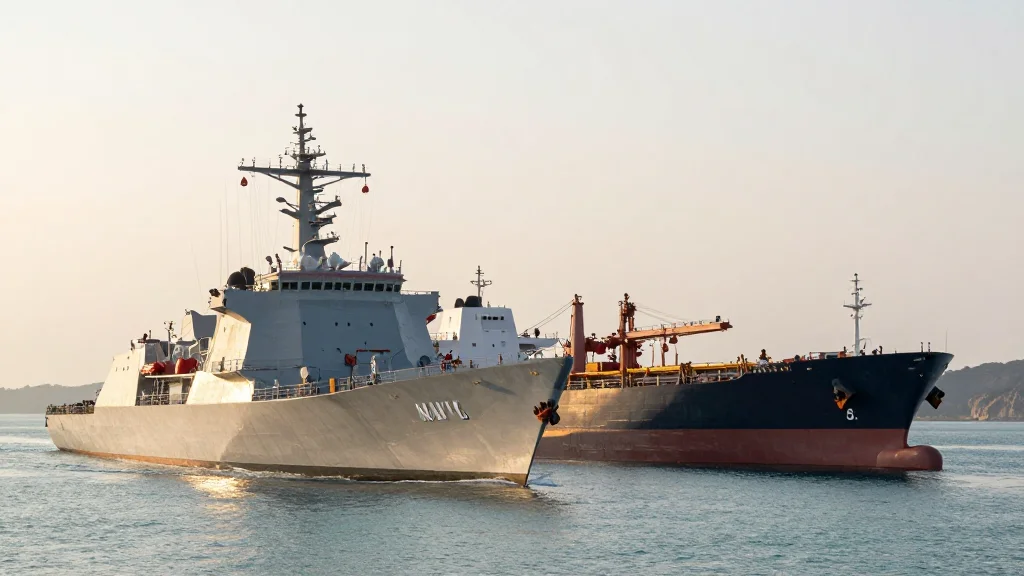
Trump Announces Draft Iran Deal to Reopen Strait of Hormuz, Citing 100 Vessel Redirection

Why It Matters
The Strait of Hormuz is a linchpin of the global energy supply chain; any shift in its operational status reverberates through oil markets, inflation rates, and the fiscal health of oil‑exporting nations. A negotiated opening, even if limited, could stabilize prices that have surged above $100 per barrel since the February conflict, easing pressure on consumers and reducing the risk of a broader supply shock. From a defense perspective, the draft agreement tests the limits of U.S. naval power projection and Iran’s ability to leverage geographic chokepoints for strategic gain. Successful implementation could set a precedent for future maritime de‑escalation mechanisms, while failure could embolden hardliners on both sides and prolong a costly stalemate that threatens regional security and global trade.
Key Takeaways
- •Trump announced approval of a draft Iran agreement to reopen the Strait of Hormuz on May 24, 2026.
- •U.S. forces redirected 100 commercial vessels away from the strait as a de‑escalation measure.
- •Both sides are discussing a possible 60‑day extension of the cease‑fire that halted active hostilities.
- •Iran publicly denied that the deal would fully reopen the strait, calling any opening conditional.
- •Oil prices have hovered above $100 per barrel since the February 28 war, highlighting the strait’s economic importance.
Pulse Analysis
The announcement marks a rare moment of diplomatic overture in a theater dominated by military posturing. Historically, attempts to normalize traffic through Hormuz have hinged on broader geopolitical settlements—most notably the 2015 nuclear deal. By framing the draft as "largely negotiated," Trump is attempting to shift the narrative from a purely military response to a negotiated settlement, potentially easing market anxieties and restoring investor confidence.
However, the practical impact of redirecting 100 vessels is limited. Daily traffic through Hormuz numbers in the thousands, and the redirection likely reflects a precautionary stance rather than a substantive reduction in threat perception. The real test will be the durability of the 60‑day cease‑fire extension and the ability of joint monitoring mechanisms to enforce compliance. If successful, the arrangement could become a template for managing other maritime flashpoints, such as the South China Sea, where similar dynamics of strategic chokepoints and great‑power competition play out.
Looking ahead, the draft agreement’s fate will influence not only oil markets but also the broader U.S.-Iran strategic calculus. A credible, enforceable opening could undercut Iran’s leverage in future nuclear negotiations, while a collapse would reinforce hardline narratives in Tehran and Washington alike, potentially prompting a return to more aggressive naval deployments. Stakeholders—from energy traders to defense planners—should monitor the next diplomatic round‑table closely, as its outcomes will shape the security architecture of the Gulf for years to come.
Trump Announces Draft Iran Deal to Reopen Strait of Hormuz, Citing 100 Vessel Redirection
Comments
Want to join the conversation?
Loading comments...