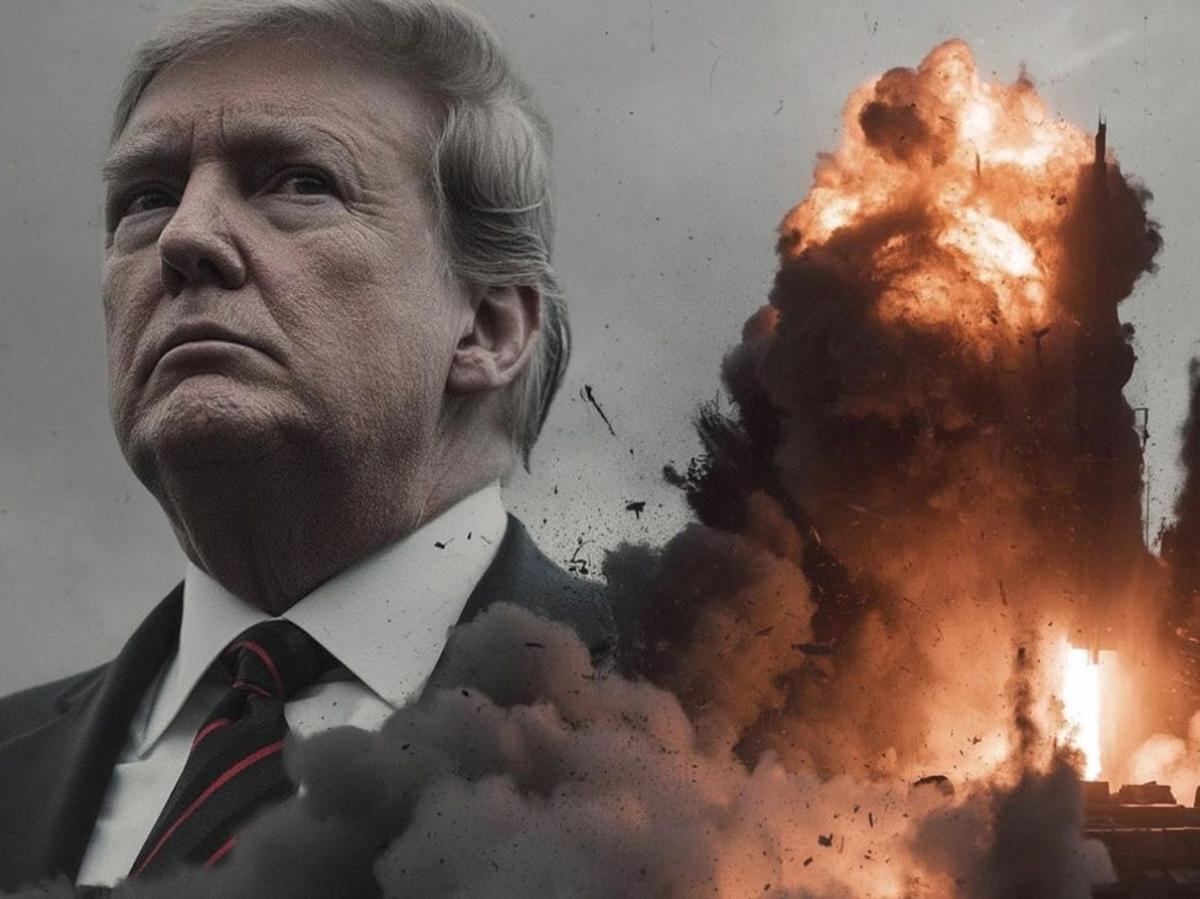
Trump Blasts NATO After Rutte Meeting, Raises Doubts over Alliance Unity
Why It Matters
The dispute signals potential erosion of U.S. security guarantees, which could destabilize transatlantic defense coordination and affect global energy routes.
Key Takeaways
- •Trump accuses NATO allies of abandoning U.S. Iran campaign.
- •Rutte calls meeting “frank,” but no NATO exit confirmed.
- •Spain restricts airspace for U.S. ops, showing limited support.
- •Alliance unity strained amid Iran conflict and Greenland tension.
Pulse Analysis
Trump’s latest salvo against NATO follows a pattern of public grievances that began early in his administration. By framing the alliance as a "paper tiger" after a private discussion with Mark Rutte, the president is not only questioning collective defence but also leveraging domestic pressure on European partners to increase defence spending. The Greenland reference revives a long‑standing dispute with Denmark, underscoring how peripheral issues can be weaponised to sow doubt about the alliance’s cohesion. This rhetoric arrives at a moment when NATO is already juggling Ukraine, Russian aggression, and the fallout from the Iran‑U.S. confrontation.
European reactions reveal a pragmatic calculus. Spain’s decision to limit U.S. aircraft use over its airspace illustrates a broader reluctance to become entangled in a conflict that lacks a clear NATO mandate. Other members are wary of escalation in the Strait of Hormuz, where Iran’s naval posture threatens global oil shipments. By signaling possible troop redeployments away from “uncooperative” nations, Washington risks creating a perception of conditional commitment, which could embolden adversaries and weaken deterrence. The internal debate also forces NATO leaders to balance alliance solidarity with the political realities of member states’ domestic constraints.
For markets, the uncertainty surrounding U.S. engagement adds a layer of risk to energy and defense sectors. A fractured NATO could complicate coordinated responses to disruptions in the Strait of Hormuz, potentially inflating oil prices and prompting investors to reassess exposure to geopolitical volatility. Analysts are watching whether the United States will formalise any policy shift or simply use the rhetoric as leverage in budget negotiations. In the longer term, sustained doubts about U.S. commitment may accelerate calls for a more autonomous European defence posture, reshaping the strategic landscape for both allies and rivals alike.
Trump blasts NATO after Rutte meeting, raises doubts over alliance unity
Comments
Want to join the conversation?
Loading comments...