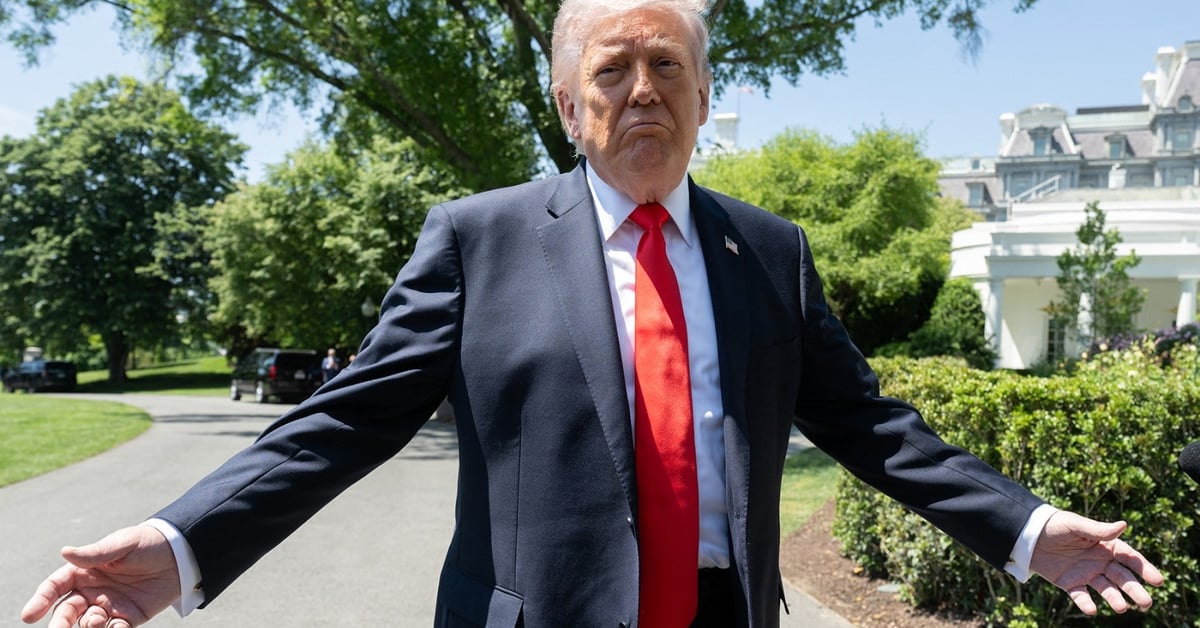
Trump Claims It’s Unconstitutional to Ask Congress to Authorise War
Why It Matters
Trump’s stance challenges the constitutional balance of war‑making powers, potentially reshaping U.S. foreign‑policy norms and influencing congressional oversight. The rhetoric also heightens geopolitical risk, affecting markets tied to defense and Middle‑East stability.
Key Takeaways
- •Trump says congressional war authorization is unconstitutional
- •War Powers Resolution mandates 60‑day congressional approval
- •Iran conflict exceeds 60 days; ceasefire declared early April
- •Trump threatens renewed artillery assault despite pending Iran deal
Pulse Analysis
The constitutional debate sparked by Donald Trump’s claim revives a long‑standing tension between the executive and legislative branches. While the Constitution explicitly grants Congress the power to declare war, presidents have historically interpreted the War Powers Resolution of 1973 with flexibility, often invoking “authorizations for the use of military force” instead of formal declarations. Trump’s assertion that seeking congressional approval is unconstitutional sidesteps the legal requirement that, after 60 days of hostilities without a congressional vote, the president must withdraw forces. By framing the Iran conflict as effectively concluded through a cease‑fire, he attempts to navigate around the statute, but legal scholars warn that such a maneuver could set a precedent for unchecked executive action.
Beyond the legal arena, Trump’s remarks carry significant geopolitical implications. The war with Iran, now over two months old, has already disrupted oil markets and heightened regional security concerns. A renewed artillery offensive, as hinted by the president, would likely exacerbate supply chain disruptions, increase defense spending, and potentially trigger retaliatory measures from Tehran. Investors in energy, aerospace, and commodities are closely monitoring the situation, as any escalation could drive oil prices higher and influence global risk sentiment.
Domestically, the controversy may reignite congressional efforts to enforce the War Powers Resolution more rigorously. Lawmakers could pursue legislation to tighten executive discretion or initiate oversight hearings, which would affect the administration’s ability to conduct unilateral military operations. For businesses, especially those reliant on stable international trade routes, the uncertainty underscores the importance of scenario planning and diversification. Companies in the defense sector might see short‑term demand spikes, while multinational firms could face heightened compliance and insurance costs amid the evolving legal and diplomatic landscape.
Trump Claims It’s Unconstitutional to Ask Congress to Authorise War
Comments
Want to join the conversation?
Loading comments...