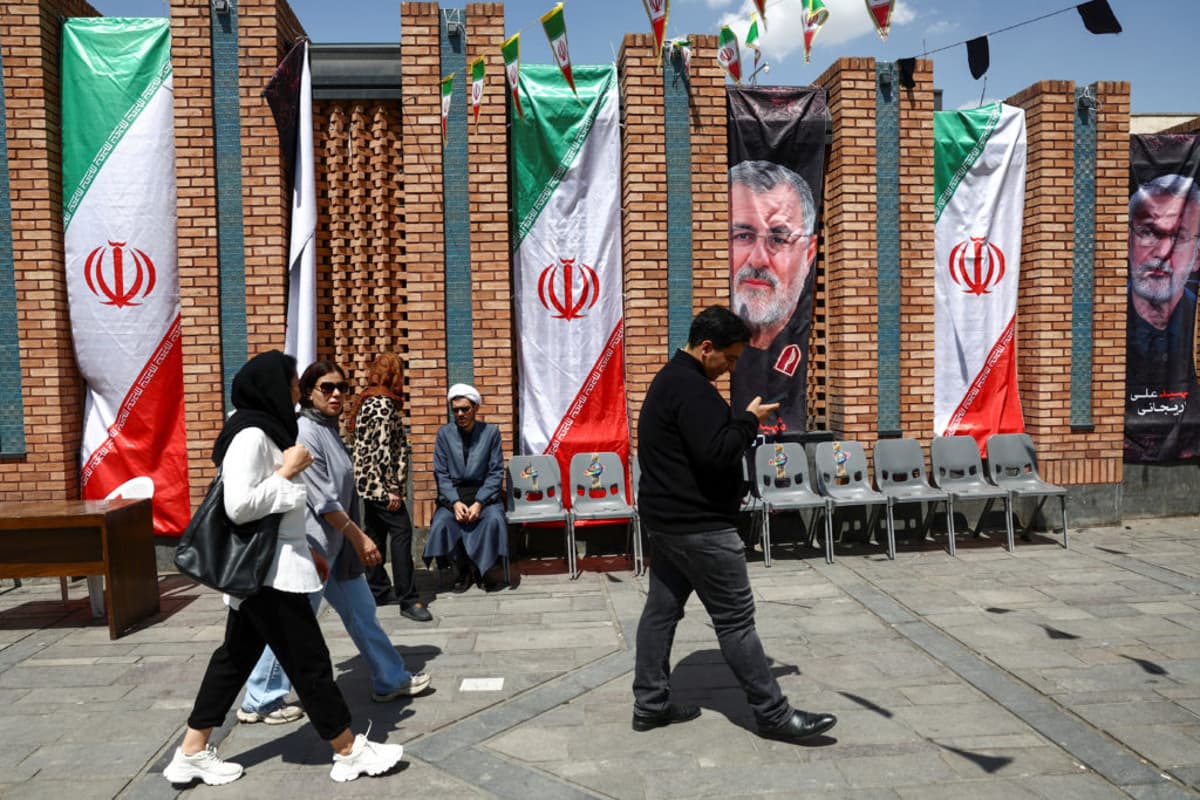
Trump Extends Iran Ceasefire as Talks to End War Stall
Why It Matters
The cease‑fire extension buys time but leaves the core blockade dispute unresolved, risking further escalation in a volatile region and affecting global oil markets. It also highlights the limits of U.S. diplomatic leverage amid deep mistrust between Tehran and Washington.
Key Takeaways
- •Trump extends Iran cease‑fire at Pakistan's request
- •Iran calls extension a ploy, doubts its value
- •U.S. blockade of Strait of Hormuz remains negotiation hurdle
- •28th sanctioned tanker intercepted, showing naval pressure
- •Israeli PM praises campaign while Hezbollah escalates border clashes
Pulse Analysis
The Trump administration's decision to prolong the cease‑fire with Iran reflects a strategic pause rather than a breakthrough in negotiations. By acceding to Pakistan's request, the United States signals willingness to keep diplomatic channels open, yet the core issue—its naval blockade of the Strait of Hormuz—remains unchanged. This blockade, justified by concerns over dual‑use cargo destined for missile production, continues to be a flashpoint that Tehran insists must be lifted before any substantive talks can resume. The extension therefore serves more as a time‑buying measure for both sides, allowing the U.S. to maintain pressure while avoiding an immediate escalation that could draw in regional allies.
Pakistan's role as mediator has grown increasingly visible, positioning Islamabad as a potential conduit for dialogue between Washington and Tehran. However, the absence of an Iranian delegation in Islamabad and Vice President Vance's aborted trip highlight the fragility of this diplomatic bridge. The Pakistani government’s public gratitude toward Trump underscores its interest in stabilizing the region, yet without concrete concessions on the blockade, its mediation may yield limited progress. The stalemate also reverberates through neighboring countries, where Israel’s continued military actions and Hezbollah’s border provocations add layers of complexity to any peace effort.
For markets and global energy security, the cease‑fire extension offers only a temporary reprieve. The 28th sanctioned tanker boarding illustrates the ongoing enforcement of U.S. sanctions and the risk of supply disruptions in the Persian Gulf. Persistent tensions keep oil prices volatile, prompting investors to watch for any shift in the blockade policy or a breakthrough in talks. Ultimately, the extension buys time, but without addressing the blockade and trust deficits, the region remains poised for further uncertainty.
Trump extends Iran ceasefire as talks to end war stall
Comments
Want to join the conversation?
Loading comments...