Why It Matters
The ranking system could reshape NATO’s internal dynamics, pressuring members to increase defense spending and align more closely with U.S. strategic goals. It also risks fracturing alliance cohesion if perceived as coercive or unfair.
Key Takeaways
- •Trump administration classifies NATO allies as “model” or “naughty”.
- •Poland and Romania cited as “model” allies for defense spending.
- •Countries refusing Operation “Epic Fury” support face possible US penalties.
- •Potential reward includes additional U.S. troops for compliant members.
- •List could strain NATO unity and influence future burden‑sharing talks.
Pulse Analysis
The White House’s alleged "nice" and "naughty" NATO roster reflects a long‑standing U.S. strategy of leveraging defense‑spending compliance to secure alliance contributions. By publicly or covertly rewarding Poland and Romania for meeting the 2 percent GDP benchmark and supporting American operations, the Trump administration reinforces a transactional view of collective security. This approach echoes Cold War‑era tactics, where Washington used aid and deployments to incentivize partner behavior, but it also introduces a new layer of diplomatic signaling that could be weaponized in future negotiations.
For European allies, the prospect of being labeled "naughty" carries tangible risks. Nations that declined participation in the fictional Operation "Epic Fury" may confront reduced access to U.S. military assets, slower procurement pipelines, or even the withdrawal of American troops stationed on their soil. Such punitive measures could exacerbate existing tensions over burden‑sharing, especially in countries already grappling with domestic political resistance to higher defense budgets. The list’s existence may also prompt a scramble among borderline members to upgrade their contributions, potentially accelerating defense‑spending reforms but at the cost of internal alliance trust.
Strategically, the "naughty list" underscores a broader shift toward a more assertive American foreign policy that prioritizes measurable loyalty over traditional diplomatic nuance. Analysts suggest that NATO’s cohesion will hinge on how the alliance balances this pressure with the need for collective decision‑making. Business leaders with exposure to European markets should monitor defense‑budget announcements and U.S. diplomatic visits, as shifts in alliance dynamics can affect everything from defense contracts to energy security policies across the continent.
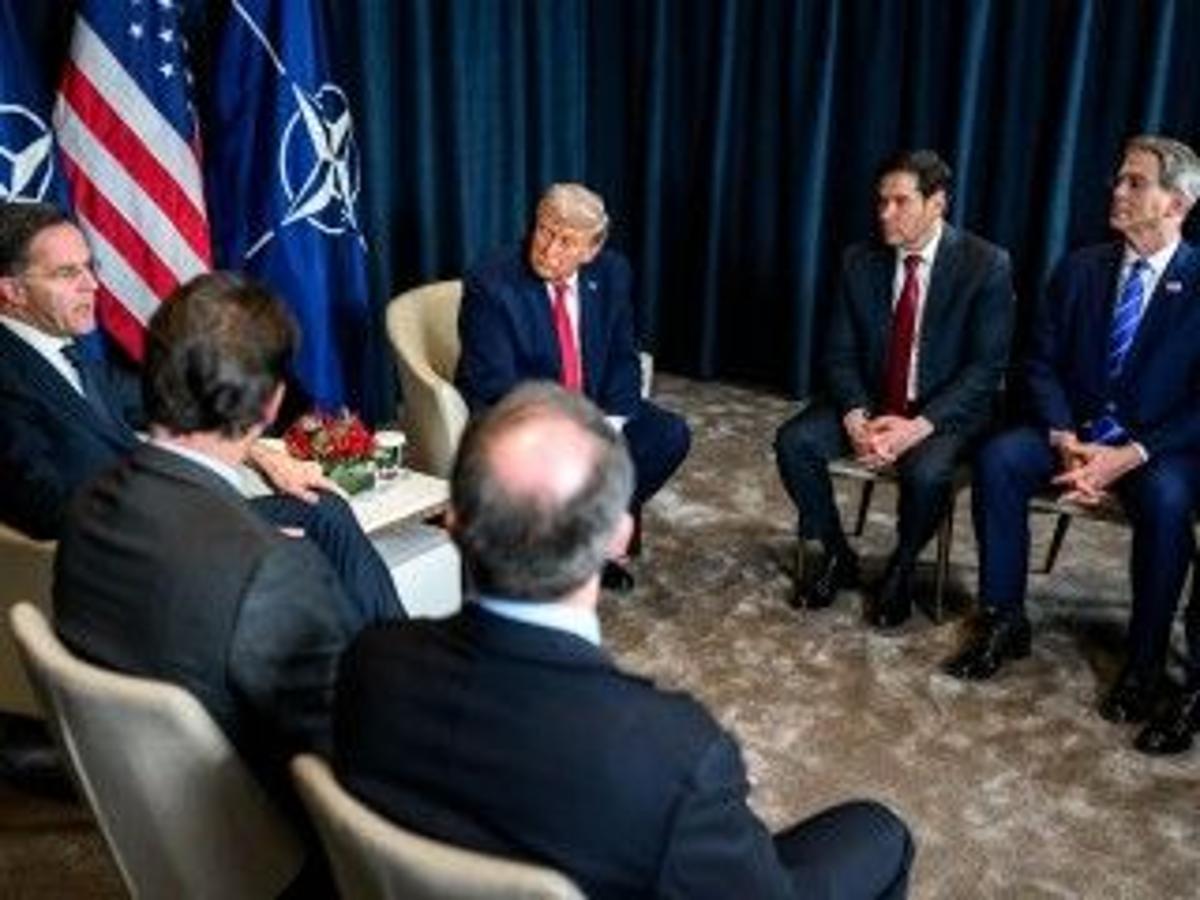
Trump has a list of “naughty” NATO members
Comments
Want to join the conversation?
Loading comments...