Why It Matters
The cease‑fire reshapes Middle‑East power balances, raising geopolitical risk and prompting a reassessment of U.S. foreign‑policy and energy‑market exposure.
Key Takeaways
- •Cease‑fire signed Feb 2026 left Iran politically stronger.
- •Iran’s leadership shifted to a younger supreme leader.
- •Regional allies Hezbollah and Hamas regained influence post‑conflict.
- •US sanctions and war costs strained Iranian economy.
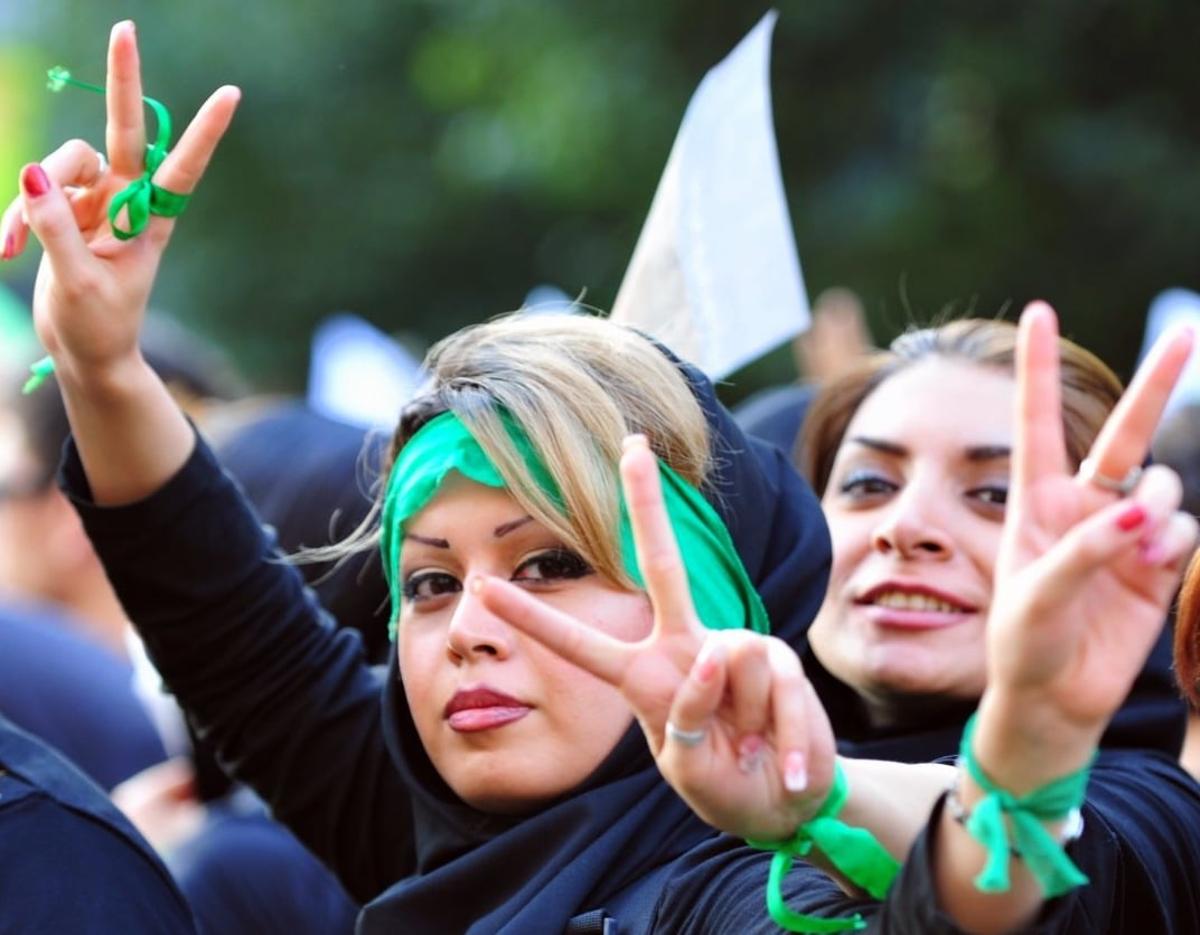
- •Domestic protests signal growing internal dissent despite regime’s victory.
Pulse Analysis
The 2026 confrontation between Washington, Jerusalem, and Tehran emerged from a series of proxy skirmishes that escalated after years of sanctions and diplomatic friction. Analysts note that Trump’s decision to apply additional economic pressure while coordinating limited Israeli strikes failed to achieve a decisive strategic advantage. Instead, the rapid cease‑fire left Iran with a diplomatic win, highlighting the limits of unilateral military pressure in a region where rivalries are deeply entrenched.
In the aftermath, Iran’s political apparatus underwent a rare succession, installing a 56‑year‑old cleric as the new supreme leader. This generational shift is being interpreted as a signal of continuity rather than reform, allowing Tehran to consolidate its narrative of resilience. Simultaneously, Hezbollah and Hamas, previously weakened, have begun rebuilding their operational capacities, suggesting a revival of the so‑called Axis of Resistance. The renewed leadership and regional alliances complicate U.S. calculations, especially as Tehran seeks to leverage its victory in diplomatic forums.
For global businesses, the development carries tangible risk. Energy markets, already sensitive to Middle‑East volatility, may experience price spikes if sanctions tighten or if Iran leverages its enhanced standing to negotiate oil output. Multinational firms with exposure to Iranian supply chains must reassess compliance frameworks, while investors monitor potential shifts in regional infrastructure projects. The episode underscores the need for dynamic risk‑management strategies that account for sudden geopolitical pivots and the enduring impact of sanctions on both macro‑economic stability and corporate operations.
Trump has thrown the people of Iran under the bus
Comments
Want to join the conversation?
Loading comments...