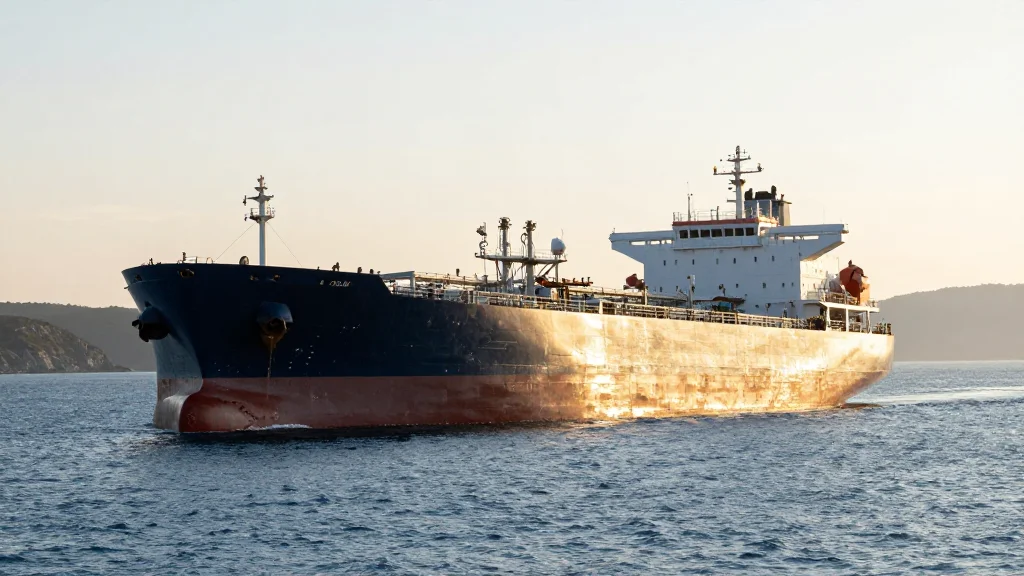
Trump-Iran Agree to Two-Week Ceasefire, Plan to Open Strait of Hormuz
Why It Matters
Reopening the Strait of Hormuz could restore a critical oil transit route, stabilizing global energy prices and easing geopolitical tensions in the Middle East.
Key Takeaways
- •Trump suspends attacks for two weeks pending strait opening.
- •Iran's 10‑point proposal includes sanctions lift and force withdrawal.
- •Oil prices dropped 16% after ceasefire announcement.
- •Negotiations to occur in Islamabad, involving Pakistan’s leaders.
- •Strait of Hormuz reopening could ease global oil supply constraints.
Pulse Analysis
The Trump administration’s abrupt shift from threatening widespread devastation to offering a temporary cease‑fire underscores the volatility of U.S.-Iran relations. By tying the suspension of U.S. strikes to the immediate reopening of the Strait of Hormuz, Trump leverages a chokepoint that handles roughly a fifth of the world’s petroleum flow. This maneuver reflects a broader strategy of using high‑stakes diplomatic pressure to extract concessions, while also signaling to domestic audiences a willingness to de‑escalate when economic stakes rise.
Financial markets responded instantly; Brent crude plunged 16%, and U.S. stock futures surged as traders priced in a potential easing of supply bottlenecks. The involvement of Pakistan’s leadership adds a regional diplomatic layer, positioning Islamabad as a neutral venue that could facilitate dialogue between the two adversaries. For oil‑dependent economies, even a two‑week window of safe passage can shave billions off annual import costs, prompting analysts to revise near‑term demand forecasts.
Iran’s 10‑point proposal—calling for U.S. force withdrawals, sanctions removal, frozen‑asset releases, and a controlled passage protocol—represents a comprehensive bargaining chip. While the cease‑fire is short‑term, it offers a testing ground for broader peace talks that could reshape Middle‑East security architecture. If successful, the agreement may pave the way for a lasting framework that balances Iranian sovereignty concerns with Western security interests, ultimately influencing global trade routes and energy market stability.
Trump-Iran agree to two-week ceasefire, plan to open Strait of Hormuz
Comments
Want to join the conversation?
Loading comments...