Why It Matters
The attacks undermine U.S. strategic objectives by eroding civilian goodwill and providing the Iranian regime with propaganda tools, while raising the prospect of broader Middle‑East turbulence and costly reconstruction obligations.
Key Takeaways
- •U.S./Israel airstrikes target Iran's water, power, and transport
- •Civilian casualties rise from strikes on bridges and hospitals
- •Infrastructure damage fuels anti‑U.S. sentiment among ordinary Iranians
- •Regime may exploit attacks to justify repression and rally support
- •Rebuilding costs could plunge Iran deeper into debt and dependence
Pulse Analysis
The latest wave of U.S. and Israeli strikes marks a strategic pivot from targeting solely the Islamic Revolutionary Guard Corps to dismantling the civilian lifelines that sustain Iran’s 93 million people. While the Trump administration frames these actions as decisive blows against a hostile regime, the reality on the ground is a cascade of destroyed desalination plants, power grids, and transport links that pre‑date the conflict. Decades of sanctions have already left Iran’s infrastructure teetering; the added shock of precision bombings amplifies water scarcity, energy blackouts, and public health risks, turning a military campaign into a humanitarian emergency.
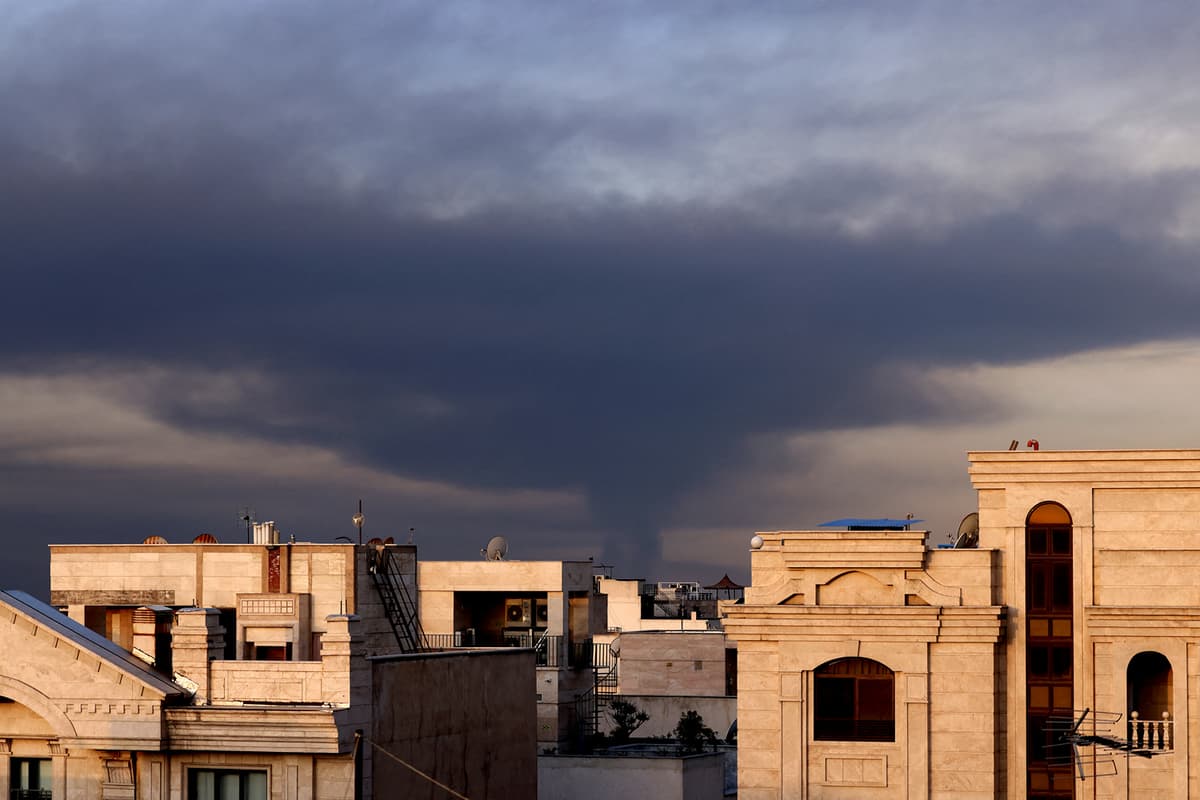
Iranians are feeling the impact directly: the Qeshm desalination facility, a critical source of drinking water for tens of thousands, was knocked offline, prompting immediate shortages. A bridge collapse in Karaj during the Sizdah‑Be‑dar holiday killed eight civilians, turning a symbolic celebration into tragedy. Oil refinery attacks around Tehran have choked fuel supplies, spiking pollution and forcing rationing for millions. Even academic and medical institutions like Sharif University and the Pasteur Institute have been hit, jeopardizing research that feeds both the Iranian economy and global biotech collaborations. These civilian losses erode any perceived legitimacy of the strikes as “precision” operations and fuel resentment toward the United States.
Strategically, the devastation offers the Iranian regime a potent narrative tool: portraying itself as the defender of a besieged nation while casting the U.S. as an aggressor against ordinary citizens. This dynamic can bolster internal cohesion, complicate diplomatic overtures, and heighten anti‑American sentiment across the region. Moreover, the cost of rebuilding—estimated in the tens of billions of dollars, massive steel, cement, and water resources—will likely saddle Iran with deeper debt and greater reliance on external actors. Policymakers must weigh the short‑term tactical gains against long‑term geopolitical fallout, recognizing that infrastructure attacks may sow the seeds of future instability far beyond the battlefield.
Trump Is Attacking Iranians, Not Just Iran
Comments
Want to join the conversation?
Loading comments...