Trump Keeps Talking About Iran’s ‘Nuclear Dust.’ What Is It?
Companies Mentioned
Why It Matters
Mischaracterizing Iran’s uranium stockpile can skew public perception and policy debates, influencing non‑proliferation strategy and diplomatic negotiations.
Key Takeaways
- •Trump calls Iran's uranium 'nuclear dust' to simplify narrative
- •Stockpile consists of near‑bomb‑grade uranium in scuba‑tank canisters
- •Material is volatile gas, solidifies at room temperature, toxic moist
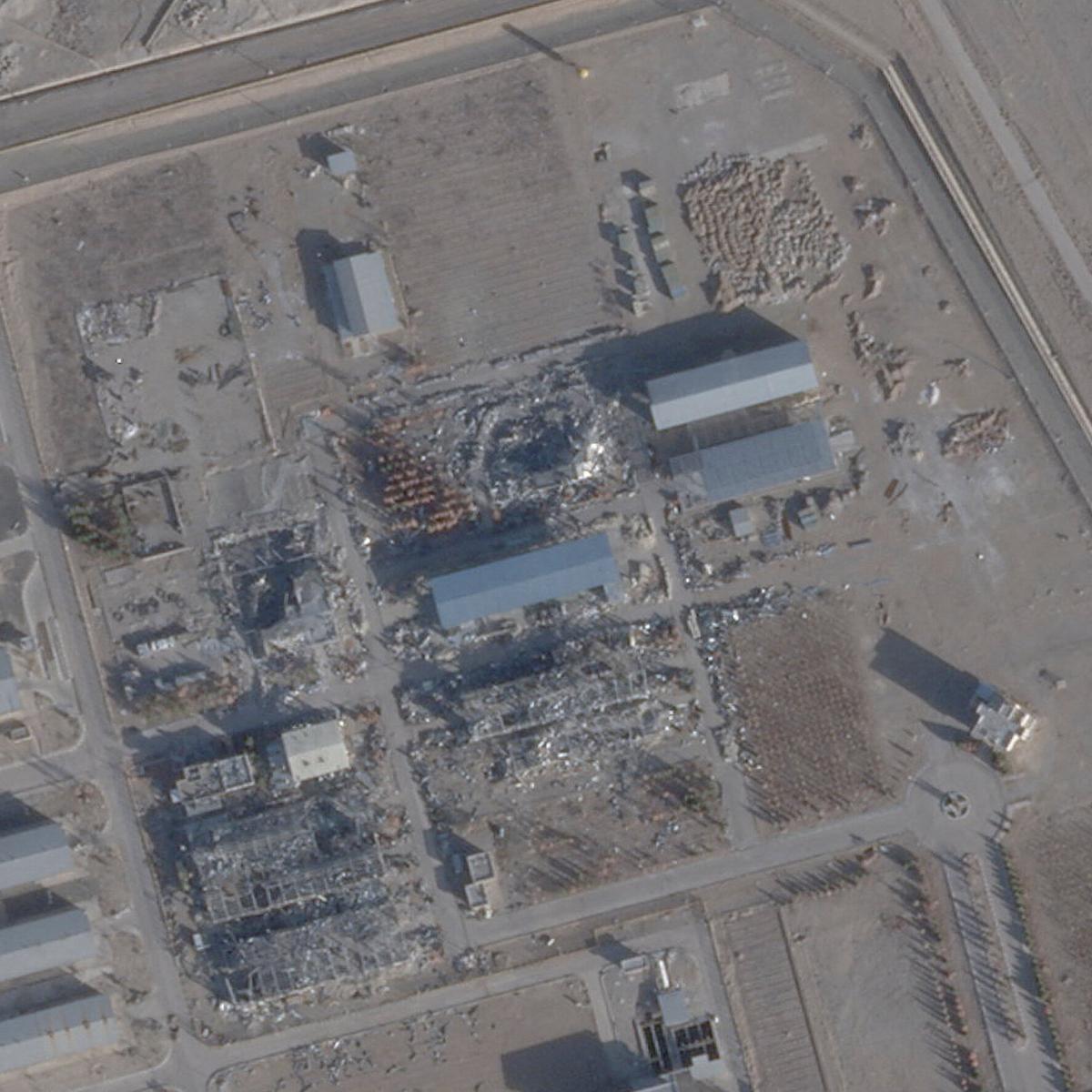
- •Isfahan site shows reconstruction after June 2025 U.S. airstrikes
- •Experts warn rhetoric may hinder informed policy on Iran's nuclear
Pulse Analysis
President Donald Trump's recent speeches have repeatedly invoked the term “nuclear dust” when describing Iran’s remaining nuclear material. The phrase, which evokes a harmless powder, simplifies the reality of a stockpile of highly enriched uranium capable of fueling a weapon. By framing the issue as residual dust, the administration portrays the Iranian program as crippled after the June 2025 airstrikes, shaping public opinion and easing political pressure for further military options. Media outlets are beginning to call out the inaccuracy, prompting a broader debate about political spin in national‑security discourse.
Near‑bomb‑grade uranium, stored in cylindrical canisters the size of scuba tanks, is not a dust. In its natural state the metal exists as a gas; it solidifies at ambient temperature and reacts violently with moisture, producing toxic compounds and the potential for a runaway nuclear chain reaction if mishandled. The Isfahan facility, a key enrichment hub, houses several hundred of these containers, each containing material enriched to roughly 90 percent uranium‑235. Satellite imagery from February shows reconstruction, indicating Iran’s intent to preserve and possibly expand this capability despite recent strikes.
Accurate terminology matters when policymakers negotiate with Tehran or craft sanctions. Labeling a weapons‑grade uranium stockpile as “dust” risks underestimating the technical challenge of dismantling Iran’s enrichment infrastructure and may embolden hawkish voices calling for additional strikes. Conversely, clear communication can strengthen diplomatic leverage, allowing the United States and its allies to demand verifiable reductions and secure monitoring mechanisms. As the International Atomic Energy Agency prepares for a new inspection cycle, experts stress that transparent language will be essential to align public perception with the real stakes of nuclear non‑proliferation.
Trump Keeps Talking About Iran’s ‘Nuclear Dust.’ What Is It?
Comments
Want to join the conversation?
Loading comments...