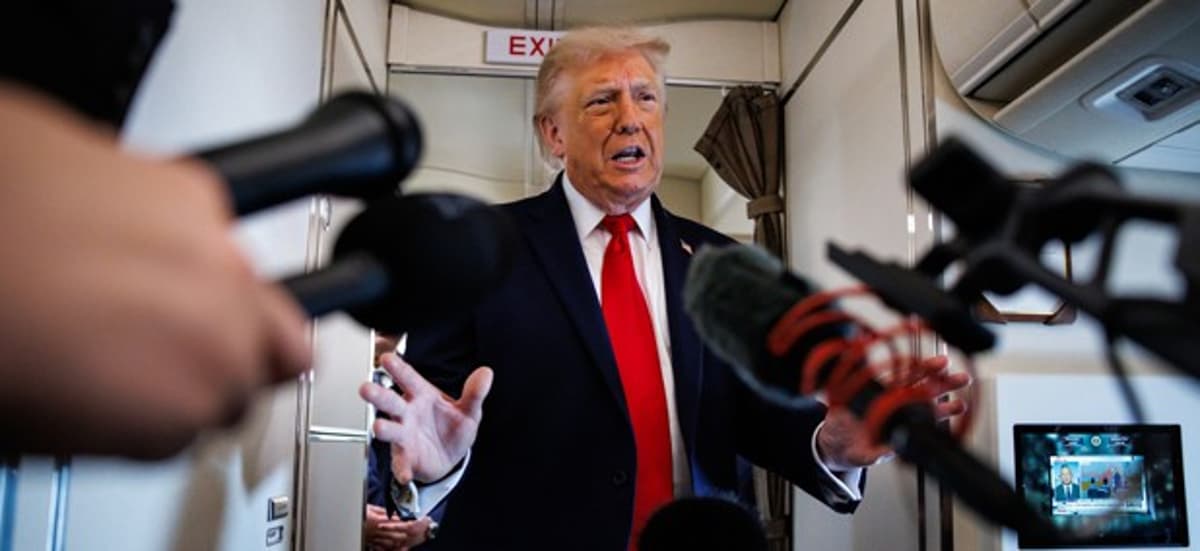
Trump Memo Pushes National Security Agencies to Move Faster on AI
Why It Matters
Accelerating AI integration strengthens U.S. national security and counters adversaries’ rapid AI advances, while the new protection measures aim to prevent theft of critical models. The policy signals a shift toward tighter public‑private collaboration in a high‑stakes technology race.
Key Takeaways
- •Trump memo urges faster AI adoption across U.S. security agencies
- •Agencies must partner with AI firms for rapid model access
- •New safeguards target foreign theft, especially Chinese model distillation
- •Anthropic and OpenAI releases intensify government focus on AI cyber threats
Pulse Analysis
The White House’s latest National Security Presidential Memorandum reflects growing alarm that U.S. security agencies are lagging behind in deploying frontier AI tools. As China accelerates its own AI programs and has been accused of industrial‑scale model‑distillation attacks, policymakers argue that speed is now a strategic imperative. By mandating "deep, proactive" relationships with private AI developers, the administration hopes to shorten the gap between cutting‑edge research and operational deployment in intelligence analysis and cyber threat detection.
Beyond speed, the memo emphasizes protection of American AI assets. Senior officials, including Defense Secretary Pete Hegseth and NSA Director Gen. Joshua Rudd, are tasked with crafting security protocols that shield models from theft, copying, or manipulation. The guidance extends to the physical infrastructure—data centers that host massive compute workloads—recognizing them as increasingly attractive targets amid geopolitical tension. Coupled with a recent executive order that requires a 30‑day government review of powerful models before public release, the administration is building a layered defense that blends voluntary industry cooperation with mandatory security standards.
The policy shift arrives as AI models like Anthropic’s Mythos and OpenAI’s GPT‑5.5‑Cyber demonstrate sophisticated cyber‑capabilities, blurring the line between defensive tools and offensive weapons. Their rapid evolution forces agencies to rethink traditional cyber doctrines and invest in AI‑augmented threat hunting, vulnerability assessment, and even deterrence strategies. By institutionalizing faster AI adoption and tighter safeguards, the memo aims to ensure the United States retains a technological edge while mitigating the risks of espionage and misuse, setting the stage for a new era of AI‑driven national security operations.
Trump memo pushes national security agencies to move faster on AI
Comments
Want to join the conversation?
Loading comments...