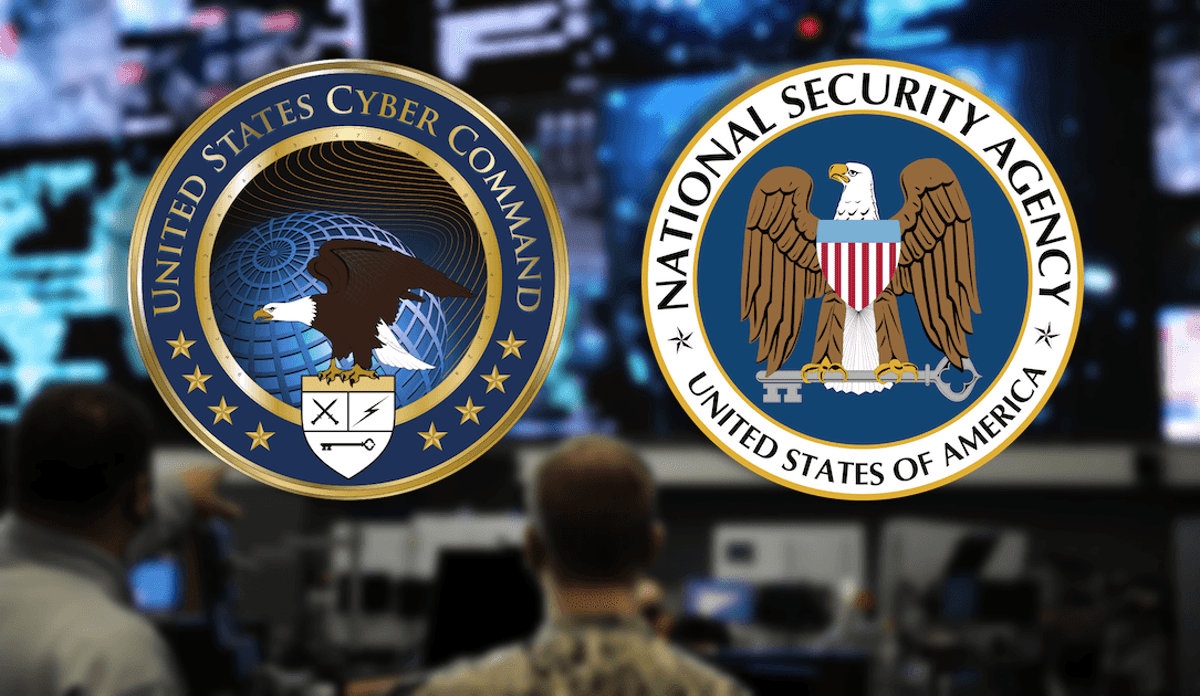
Trump Nominee to Lead Cyber Command, NSA Clears Key Senate Hurdle
•March 9, 2026
0
Why It Matters
Confirming Rudd consolidates cyber‑defense leadership, shaping U.S. strategic posture against nation‑state threats and signaling continuity for defense contractors and allied tech markets.
Key Takeaways
- •Senate invoked cloture, 68-28 vote.
- •Lt. Gen. Joshua Rudd poised for confirmation Tuesday.
- •Critics argue Rudd lacks signals intelligence experience.
- •First Senate‑approved dual‑hat leader since Haugh’s 2025 firing.
Pulse Analysis
The dual‑hat arrangement of the commander of U.S. Cyber Command and director of the NSA has been a cornerstone of America’s cyber‑warfare architecture since the positions were merged in 2018. By placing a single uniformed officer at the helm, the Pentagon aims to synchronize offensive cyber operations with signals intelligence collection, reducing bureaucratic friction and accelerating decision‑making in fast‑moving digital battlespaces. The role carries a $17 billion annual budget and oversees a workforce of roughly 30,000 personnel, making its leadership a focal point for both national security and the broader technology ecosystem.
Rudd’s ascent through the Senate illustrates the increasingly partisan yet pragmatic nature of defense confirmations. The cloture vote, 68‑28, signaled strong bipartisan support despite Senator Ron Wyden’s objection that Rudd lacks direct signals‑intelligence experience—a concern amplified by the ongoing war with Iran. Majority Leader John Thune’s maneuver to override Wyden’s hold underscores the administration’s priority to avoid a leadership vacuum at two critical agencies. This episode also reflects a broader trend of the executive branch favoring military leaders with operational experience over career intelligence professionals for cyber‑centric posts.
For the cyber‑security industry, Rudd’s confirmation could stabilize procurement pipelines for advanced command‑and‑control tools, artificial‑intelligence‑driven threat analytics, and cloud‑security solutions that the NSA and Cyber Command routinely contract. A confirmed leader provides clearer guidance on strategic priorities, influencing budget allocations and shaping public‑private partnerships that drive innovation. Moreover, the appointment may reassure allies seeking coordinated cyber deterrence while signaling to adversaries that the United States maintains a unified command structure capable of rapid, integrated responses to emerging digital threats.
Trump nominee to lead Cyber Command, NSA clears key Senate hurdle
0
Comments
Want to join the conversation?
Loading comments...