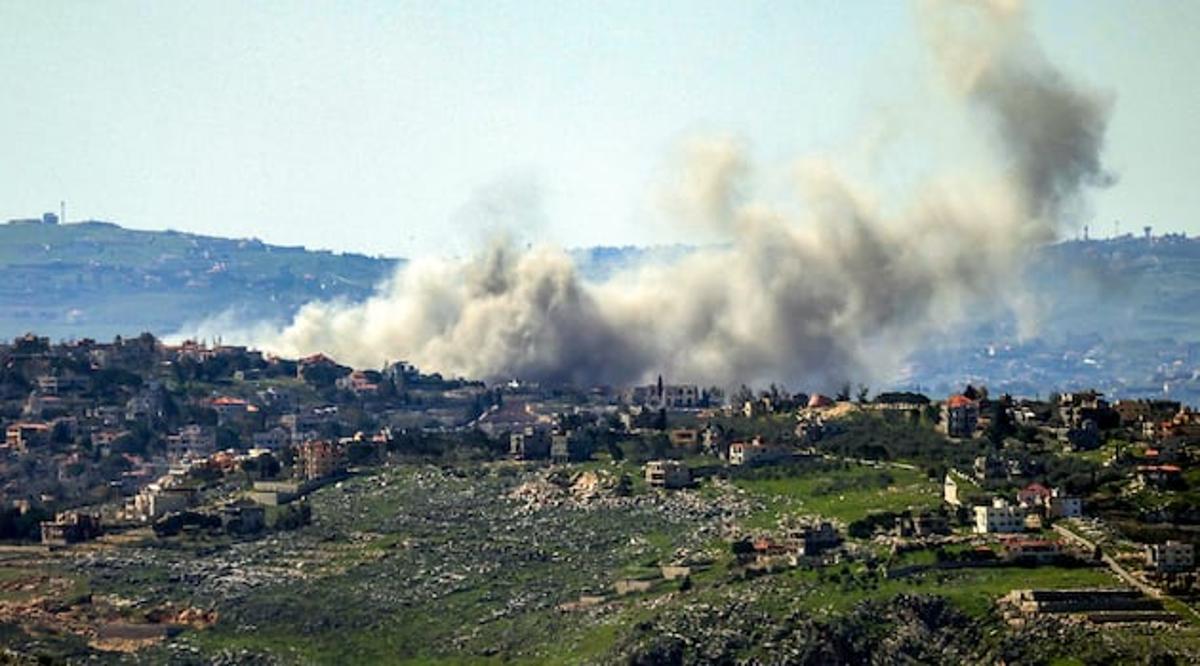
Trump ‘Not Happy’ with New Iranian Leader; Netanyahu Says Military Offensive ‘Not Done Yet’
•March 10, 2026
0
Why It Matters
The escalation threatens global energy supplies and transport costs, forcing governments and markets to confront heightened volatility and security risks.
Key Takeaways
- •Oil fell below $90 after Trump said war ending soon
- •US‑Israel air strikes intensify; Hegseth calls Tuesday most intense
- •Only two non‑Iranian vessels crossed Hormuz recently
- •Trump displeased with new Iranian supreme leader Mojtaba Khamenei
- •Airlines hike fares as jet fuel spikes to $150‑$200
Pulse Analysis
The latest flare‑up in the Iran conflict has sent shockwaves through commodity markets, pulling West Texas Intermediate below the psychologically important $90 threshold. Traders cite Trump’s optimistic remarks as a catalyst, but analysts warn the price dip may be temporary as supply disruptions persist. The war’s trajectory directly influences oil‑dependent economies, from Europe’s energy‑intensive industries to emerging markets still recovering from pandemic‑era shocks. Investors are closely watching G7 energy ministers’ discussions, which could shape coordinated reserve releases or fiscal measures to stabilize prices.
On the battlefield, U.S. and Israeli forces have escalated their aerial campaign, with Defence Secretary Pete Hegseth labeling the upcoming Tuesday strikes as the most intense since the war began. The intensified bombardment aims to cripple Iran’s missile infrastructure and naval capabilities, yet it also tightens the stranglehold on the Strait of Hormuz. Historically a conduit for roughly 20% of global oil trade, the strait now sees only two civilian vessels daily, forcing shippers to reroute or delay cargoes. This bottleneck has driven jet‑fuel prices to $150‑$200 per barrel, prompting airlines like Qantas and Air New Zealand to raise fares and prompting broader concerns about supply‑chain resilience.
Politically, Trump’s public displeasure with Mojtaba Khamenei adds a personal dimension to an already volatile situation, while his promise of a swift end to hostilities contrasts with Israel’s Prime Minister Netanyahu, who insists the offensive is "not done yet." The discord complicates diplomatic efforts, as European leaders convene to discuss energy security and potential defensive missions to reopen Hormuz. With oil and gas prices soaring and consumer costs climbing, the conflict’s ripple effects are set to influence fiscal policy, corporate budgeting, and household budgets worldwide for months to come.
Trump ‘not happy’ with new Iranian leader; Netanyahu says military offensive ‘not done yet’
0
Comments
Want to join the conversation?
Loading comments...