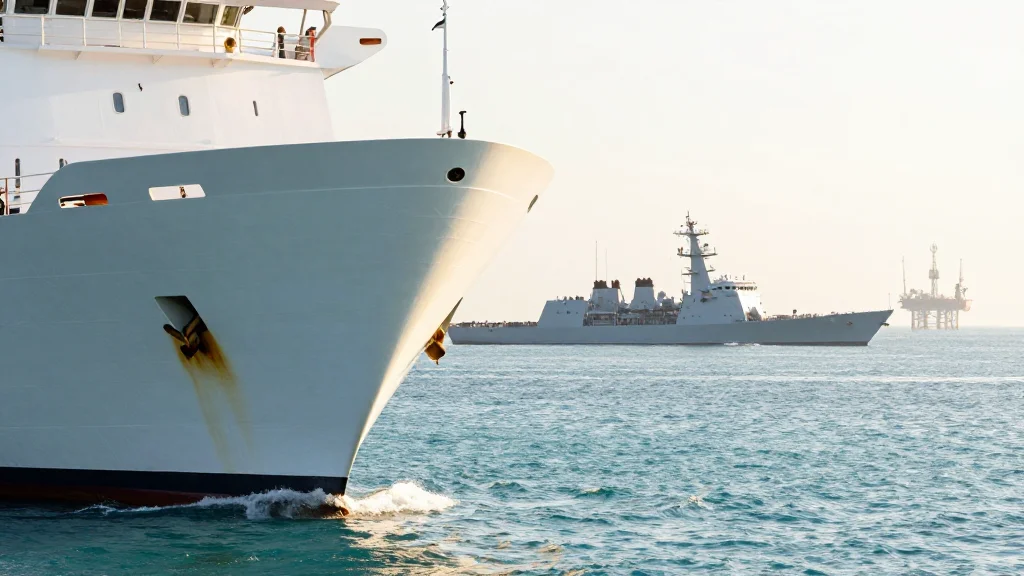
Trump Punts Thorniest Iran Challenges in Push to Reopen Hormuz
Why It Matters
Reopening Hormuz could ease soaring oil prices and stabilize global markets, but sidelining Iran’s nuclear agenda may prolong regional security risks.
Key Takeaways
- •Trump prioritizes Strait of Hormuz reopening over Iran nuclear talks
- •U.S. Navy engaged Iranian drones, missiles, and commercial vessels in recent clashes
- •Project Freedom paused, but a one‑page memo to Iran remains on table
- •Rising U.S. gas prices pressure administration to secure oil flow quickly
- •Iran tightens control, collecting tolls and asserting UN rights over the strait
Pulse Analysis
The Strait of Hormuz, a 21‑mile chokepoint between the Persian Gulf and the Arabian Sea, handles roughly a fifth of the world’s petroleum shipments. Even before the current hostilities, any disruption there sent ripples through global oil markets, inflating prices and prompting strategic stockpiling. The war’s escalation has already strained the waterway, prompting shippers to reroute cargoes at higher cost and prompting insurers to hike premiums for vessels transiting the region.
Trump’s latest pivot reflects a blend of geopolitical calculus and domestic politics. By ordering U.S. warships to escort merchant traffic and pausing the broader “Project Freedom” diplomatic push, the administration signals a willingness to use kinetic force to secure commercial navigation. The timing aligns with rising U.S. gasoline prices ahead of the midterm elections, creating a political imperative to demonstrate decisive action. The one‑page memorandum offered to Tehran underscores a narrow, incremental approach: reopen the strait now, defer the more contentious nuclear and missile discussions for later.
While the immediate goal of restoring oil flow may yield short‑term market relief, the strategy carries long‑term hazards. Iran’s continued control over tolls and its UN‑backed claim to sovereign rights keep it in a position to leverage the strait for political concessions. By deprioritizing nuclear negotiations, Washington risks allowing Tehran to further develop its enrichment capacity, potentially destabilizing the broader Middle East security architecture. Analysts warn that without a comprehensive agreement, any temporary opening of Hormuz could be reversed, leaving global energy markets vulnerable to future flashpoints.
Trump Punts Thorniest Iran Challenges in Push to Reopen Hormuz
Comments
Want to join the conversation?
Loading comments...