Trump Rejects Iran 'War‑Breach' Claims Amid NATO Drills and Hezbollah Tank Strikes

Why It Matters
Trump’s outright denial that Iran violated his "no new wars" pledge sends a clear signal to both allies and adversaries that the administration prefers diplomatic containment over direct military escalation. This stance influences how regional actors—Israel, Hezbollah, and Iran—calculate their next moves, potentially emboldening Tehran to test the limits of U.S. patience while pressuring Israel to sustain its Lebanon offensive. The NATO Ramstein Flag 2026 exercise, involving over 200 aircraft, demonstrates a renewed Western focus on deterrence against Russian aggression, while simultaneously diverting attention and resources from the Middle East. The simultaneous escalation in Lebanon and the high‑visibility drills near Russia could stretch U.S. strategic bandwidth, forcing policymakers to prioritize one theater over another, with profound implications for defense budgeting, force posture, and alliance cohesion. The domestic pressure within Israel to continue operations against Hezbollah further complicates diplomatic efforts, as any perceived U.S. weakness could be leveraged by Tehran to extract concessions. The interplay of these dynamics underscores the delicate balance the Trump administration must navigate to avoid a broader regional conflagration while maintaining credibility with NATO partners.
Key Takeaways
- •Trump publicly dismissed claims Iran broke his "no new wars" pledge
- •Hezbollah claimed direct hits on Israeli Merkava tanks near Beaufort Castle
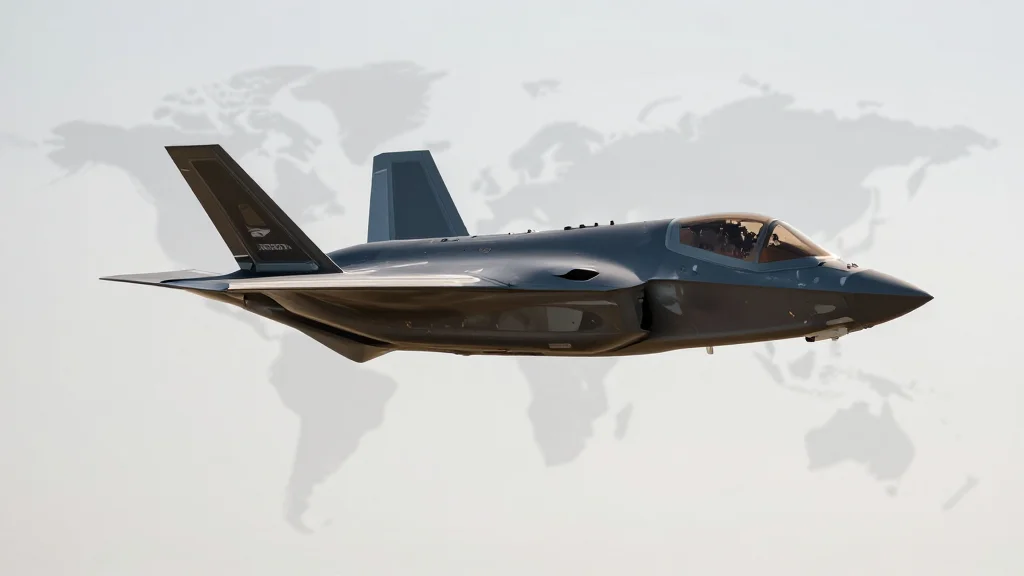
- •NATO's Ramstein Flag 2026 drill involves >200 aircraft from 18 countries near Russia
- •Israeli public pressure urges continuation of Lebanon offensive, complicating U.S. mediation
- •Analysts warn Trump will find it harder to balance Middle East tensions amid NATO drills
Pulse Analysis
The Trump administration’s verbal repudiation of Iran’s alleged breach is more than political theater; it reflects a calculated risk management approach that seeks to keep the United States out of a new war while preserving leverage over Tehran. By framing Iran as a compliant actor, Trump aims to sustain his "no new wars" narrative, which resonates with a war‑wearied electorate. However, the reality on the ground—Hezbollah’s claimed tank strikes and the ongoing Israeli offensive—suggests a volatile environment where non‑state actors can provoke state responses, potentially pulling the U.S. back into direct involvement.
NATO’s Ramstein Flag 2026 exercise signals a strategic pivot toward Europe, reinforcing collective defense postures against Russia. The scale of the drill—over 200 aircraft—serves both as a deterrent and a reminder that the alliance remains combat‑ready. Yet, this heightened focus on the European theater may dilute U.S. attention and resources from the Middle East, where the stakes are equally high. The simultaneous escalation in Lebanon could force Washington to make hard choices about force allocation, especially if Iranian proxies intensify attacks.
Domestically, Israel’s internal pressure to maintain a hardline stance against Hezbollah constrains diplomatic flexibility. Former General Giora Eiland’s warning that a withdrawal could be seen as defeat highlights the political cost for Netanyahu, which in turn limits the space for U.S. brokers to negotiate a cease‑fire. If Trump continues to downplay Iran’s role while NATO showcases its might, the United States may find itself caught between two demanding fronts, risking a strategic overextension that could erode both deterrence credibility and alliance cohesion.
Trump Rejects Iran 'War‑Breach' Claims Amid NATO Drills and Hezbollah Tank Strikes
Comments
Want to join the conversation?
Loading comments...