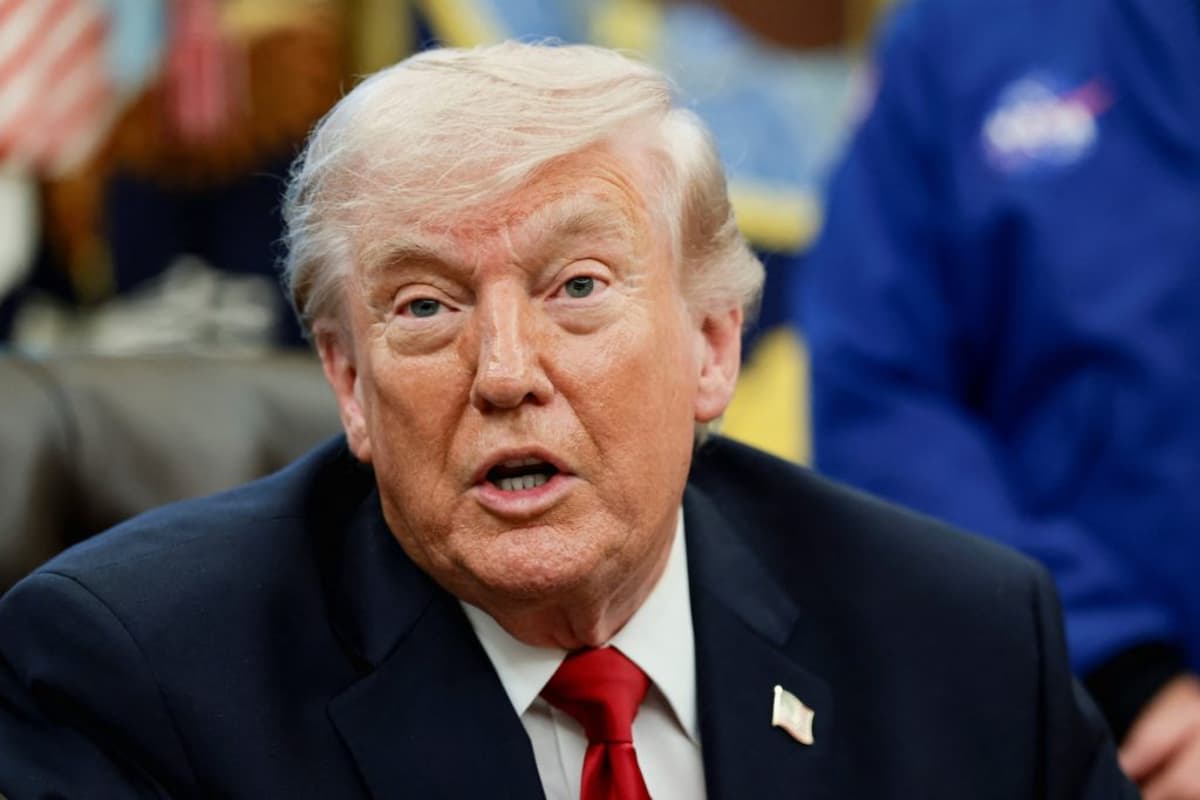
Trump Rejects Iran's Latest Proposal as He Reviews New Military Options to Relaunch War
Why It Matters
The decision will shape U.S. strategy in the volatile Middle East and test congressional authority under the War Powers Act, while the European troop pullback signals shifting defense priorities.
Key Takeaways
- •Trump dismissed Iran's latest peace overture, citing insufficient concessions
- •President weighs limited strikes versus full‑scale war restart
- •War Powers Act 60‑day deadline expires, Congress yet to act
- •Legal debate intensifies as White House claims war already terminated
- •U.S. plans to pull 5,000 troops from Germany within year
Pulse Analysis
The standoff between Washington and Tehran has entered a new phase as President Trump flatly rejected Iran’s most recent proposal, which reportedly linked the reopening of the Strait of Hormuz to the lifting of U.S. sanctions and a pause in nuclear negotiations. By framing the offer as inadequate, the administration has opened the door to a range of calibrated military responses, from targeted strikes on drone and missile launch sites to a broader escalation that could reignite full‑scale combat. This posture underscores the fragile balance between diplomatic leverage and kinetic pressure in a region already strained by proxy conflicts and energy market volatility.
Complicating the calculus is the looming 60‑day deadline mandated by the War Powers Act, which obligates the president to seek congressional approval for any continued use of force after the initial period. The White House’s assertion that hostilities terminated weeks ago is being challenged by legal scholars who argue the resolution’s language leaves no room for a unilateral “pause button.” As Republicans in Congress have so far resisted votes to enforce the act, the administration faces mounting legal and political pressure to justify any renewed offensive, while lawmakers weigh the domestic fallout of another Middle‑East war.
Beyond the Iran theater, the United States announced a drawdown of 5,000 troops from Germany, part of a broader reassessment of its European force posture amid fiscal constraints and shifting strategic priorities. The reduction, representing roughly 14 percent of the U.S. presence in Germany, may signal a reallocation of resources toward the Middle East or a response to allied concerns about an exit strategy. Together, these developments highlight a pivotal moment for U.S. foreign policy, where diplomatic deadlock, constitutional checks, and global force distribution intersect, shaping the next chapter of American engagement abroad.
Trump rejects Iran's latest proposal as he reviews new military options to relaunch war
Comments
Want to join the conversation?
Loading comments...