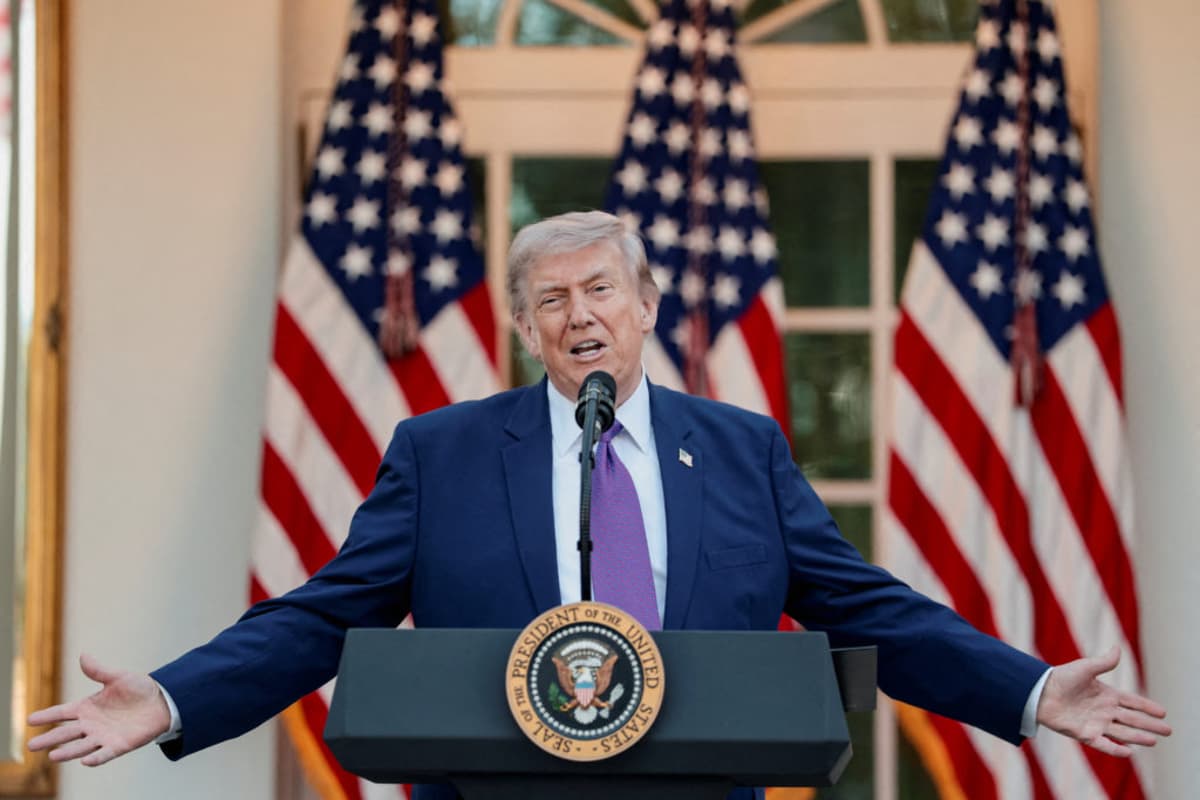
Trump Rejects Latest Iran Peace Proposal, Says Ceasefire on 'Life Support'
Why It Matters
The stance escalates diplomatic pressure on Iran and raises the risk of renewed conflict, which could further disrupt global oil supplies and heighten geopolitical tensions.
Key Takeaways
- •Trump dismissed Iran's offer, citing missing nuclear concessions
- •U.S. imposed fresh sanctions and convened senior military leaders
- •Energy Secretary warned of renewed strikes to reopen Strait of Hormuz
- •Trump to discuss Iran financing with China during upcoming Xi meeting
- •Brent crude topped $100/barrel, prompting gas tax pause proposal
Pulse Analysis
The latest deadlock between Washington and Tehran underscores how fragile the cease‑fire has become. Trump’s outright rejection of Iran’s proposal—particularly its failure to deliver on nuclear concessions—signals a shift from diplomatic bargaining to a more hard‑line posture. By framing the cease‑fire as "on life support," the administration is pressuring Iran to meet stricter terms while signaling to allies and adversaries alike that the United States remains unwilling to compromise on non‑proliferation goals.
In parallel, the U.S. rolled out a fresh sanctions package targeting Iran’s oil export infrastructure and financial networks, aiming to choke revenue streams that fund its regional proxies. Energy Secretary Chris Wright’s warning that the military could be redeployed to secure the Strait of Hormuz adds a tangible threat of renewed hostilities, a move that would likely tighten global oil supplies and push prices higher. Domestically, the administration’s proposal to temporarily suspend the 18‑cent federal gas tax reflects an effort to cushion American consumers from rising pump prices, though congressional approval remains uncertain.
The diplomatic dimension extends to Beijing, where Trump is slated to meet President Xi Jinping to discuss Iran’s financing and broader regional stability. China’s role as Iran’s largest crude buyer makes its cooperation pivotal for any long‑term resolution. Analysts see this trilateral pressure as a potential lever to bring Iran back to the negotiating table, but the risk of miscalculation remains high. Market participants are watching closely, as any escalation could reverberate through energy markets, sovereign debt, and defense spending forecasts.
Trump rejects latest Iran peace proposal, says ceasefire on 'life support'
Comments
Want to join the conversation?
Loading comments...