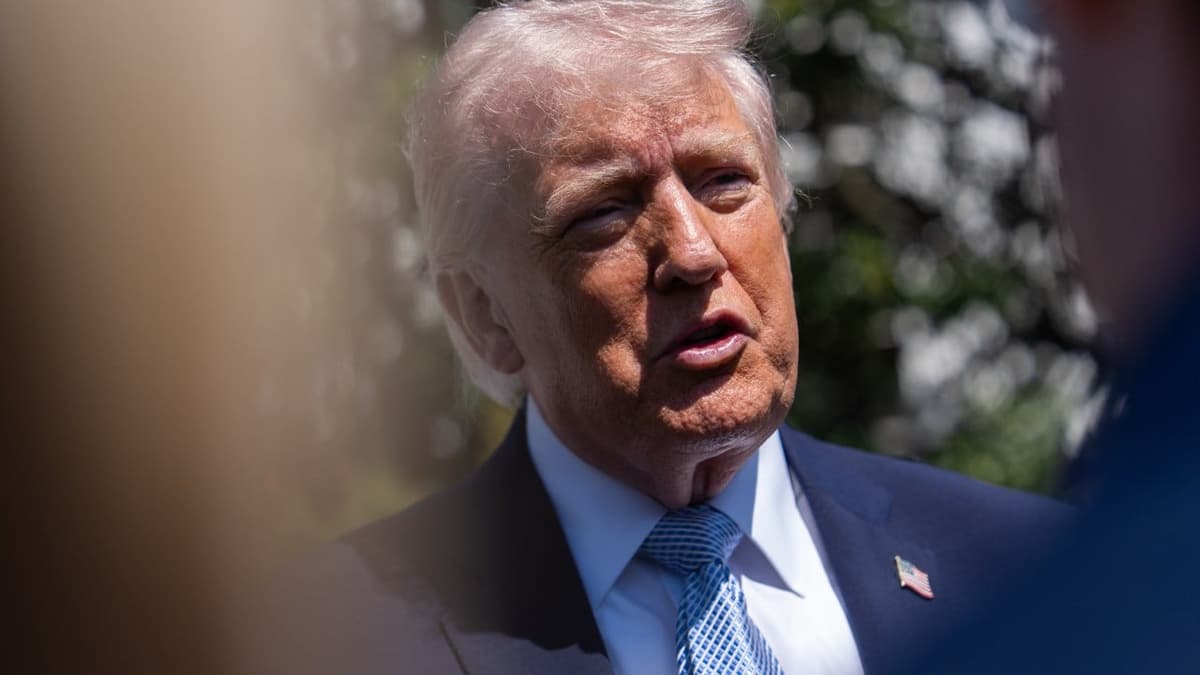
Trump Says China Helped Get Iran to the Negotiating Table for Ceasefire Deal
Why It Matters
The pause creates a narrow window for diplomatic resolution, potentially stabilizing a critical oil transit route and reshaping U.S.–Iran engagement. It also signals China’s growing influence in Middle‑East conflict mediation.
Key Takeaways
- •Trump credits China for Iran ceasefire push.
- •US pauses Iran bombing for two weeks.
- •Pakistan mediates double‑sided ceasefire agreement.
- •Strait of Hormuz to reopen under ceasefire terms.
- •Negotiations to continue in Islamabad for peace deal.
Pulse Analysis
The latest ceasefire announcement underscores a shifting calculus in U.S.–Iran relations, where traditional bilateral pressure is giving way to multilateral mediation. China’s behind‑the‑scenes involvement reflects its strategic ambition to position itself as a peace broker in the Middle East, leveraging economic ties with Tehran and a desire to protect its energy supply chains. Pakistan’s role as a regional facilitator adds legitimacy to the talks, offering a neutral venue that aligns with its own security interests and broader diplomatic outreach.
Reopening the Strait of Hormuz carries immediate economic ramifications. The narrow waterway handles roughly a fifth of global oil shipments; any disruption can trigger price volatility and affect supply‑chain stability worldwide. By securing a “complete, immediate and safe” opening, the ceasefire could alleviate market anxieties, lower freight premiums, and provide a breathing space for oil‑dependent economies. Moreover, the agreement may encourage other regional actors to consider diplomatic pathways, potentially de‑escalating the broader Gulf security dilemma.
Politically, the ceasefire offers President Trump a diplomatic win that counters criticism over his hard‑line stance on Iran. It also tests the durability of a U.S. strategy that blends military pressure with selective pauses to coax concessions. However, the success of subsequent negotiations in Islamabad hinges on Tehran’s willingness to engage substantively and on the United States maintaining credibility after the temporary halt. Should talks falter, the region could revert to heightened hostilities, underscoring the fragile nature of this diplomatic opening.
Trump says China helped get Iran to the negotiating table for ceasefire deal
Comments
Want to join the conversation?
Loading comments...