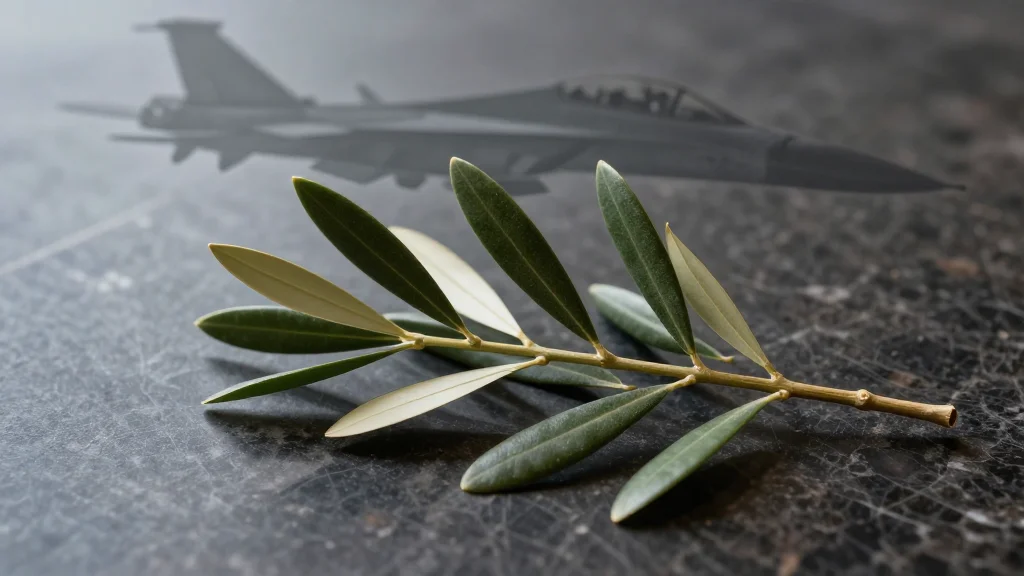
Trump Says He Has Called Off Planned Strikes on Iran
Why It Matters
Halting the strikes reduces the risk of a broader regional war and stabilizes volatile oil markets, while the disputed oil‑throughput claim signals a strategic push to keep global energy supplies flowing despite Iranian pressure.
Key Takeaways
- •Trump halted planned US strikes on Iran after high‑level talks
- •Cease‑fire extension talks involve US, Israel, and regional allies
- •US claims to have slipped 100 million barrels past Iran’s blockade
- •Three Indian seafarers killed when US hit a merchant vessel
- •Strait of Hormuz disruptions push global fuel prices higher
Pulse Analysis
The abrupt cancellation of U.S. strikes on Iran marks a rare de‑escalation in a conflict that has threatened to engulf the Middle East. President Trump’s social‑media post cited progress in talks that include Israel and other regional allies, suggesting a diplomatic pathway toward extending the fragile cease‑fire that began in February. While the details remain opaque, the move may temper the risk of a wider confrontation involving Hezbollah in Lebanon and could ease investor anxiety that has been driving oil futures to multi‑year highs.
At the same time, the United States continues to assert its naval dominance in the Strait of Hormuz, a strategic chokepoint that handles roughly 20% of global oil shipments. Trump’s claim that more than 100 million barrels—about five days of pre‑war export volume—have been smuggled past Iranian forces underscores Washington’s intent to keep oil flowing, even as Tehran’s Revolutionary Guard threatens to close the waterway. The ongoing blockade has already resulted in nine merchant vessels being disabled, and the recent killing of three Indian sailors has sparked diplomatic protests, highlighting the delicate balance between military pressure and international law.
For global markets, the interplay between diplomatic talks and military actions creates a volatile pricing environment. Any disruption in Hormuz can instantly lift crude prices, feeding through to gasoline and consumer goods worldwide. Analysts therefore watch the cease‑fire negotiations closely, as a durable agreement could restore confidence in supply chains, while renewed hostilities would likely trigger another spike in energy costs, compounding inflationary pressures already felt across the United States and Europe.
Trump Says He Has Called Off Planned Strikes on Iran
Comments
Want to join the conversation?
Loading comments...