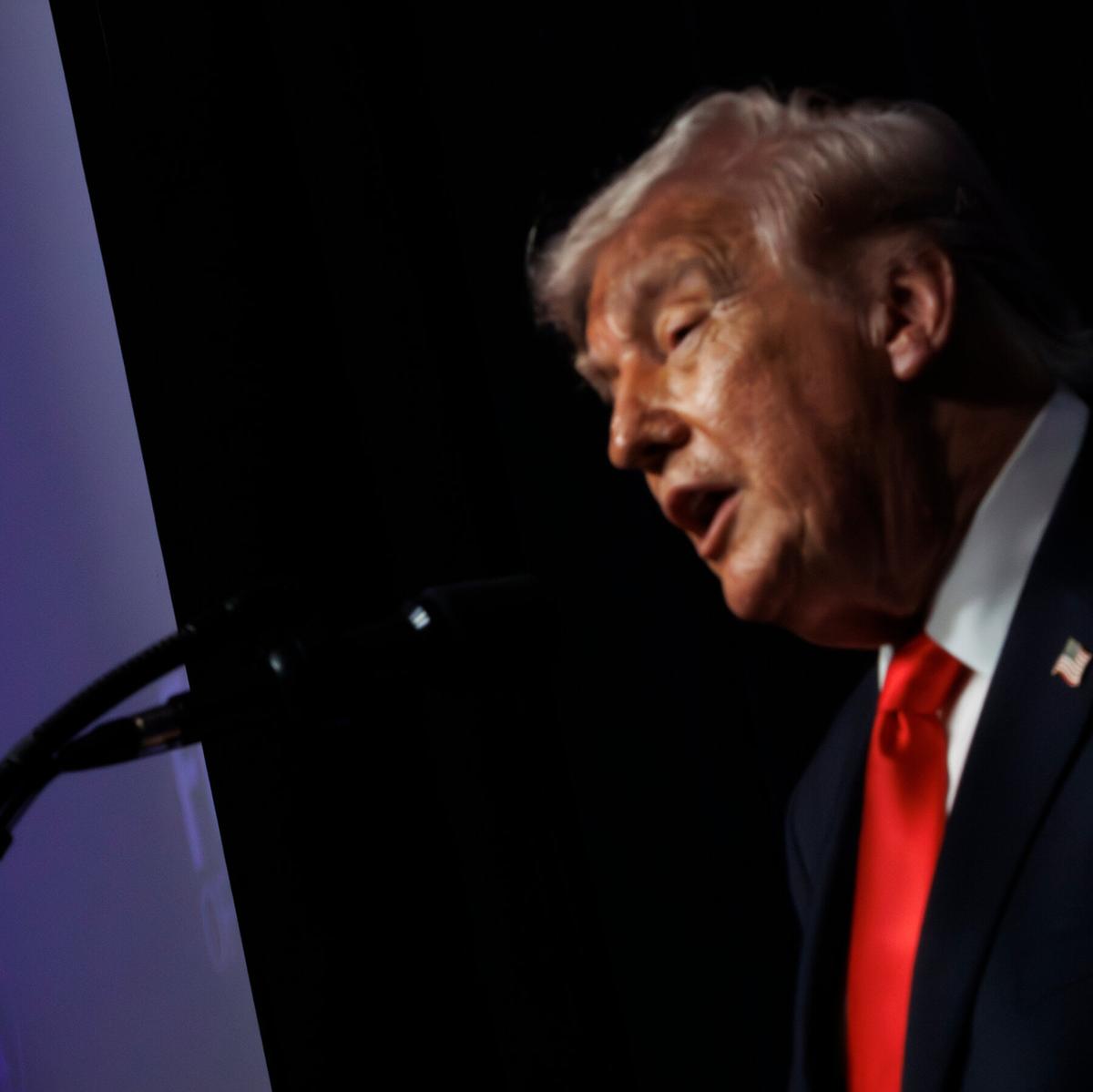
Trump Says He Is Reviewing Iran’s Latest Offer but Doubts It Is Acceptable
Why It Matters
The uncertainty stalls de‑escalation in a volatile region, threatening global oil stability and undermining U.S. diplomatic credibility.
Key Takeaways
- •Trump reviewed Iran's proposal concept, not full text
- •President expressed doubt proposal will satisfy U.S. demands
- •Iran blames U.S. for conflict, urges diplomatic choice
- •Tehran signals readiness to resume fighting if talks fail
- •Cease‑fire talks stalled, risking regional instability
Pulse Analysis
The latest diplomatic flare‑up between Washington and Tehran underscores the fragile nature of U.S.-Iran relations after nearly five decades of tension. Since the 1979 revolution, the two nations have oscillated between covert negotiations and open hostility, with the most recent cease‑fire talks mediated by Pakistan aiming to halt a series of proxy skirmishes in the Gulf. President Trump’s public remarks, delivered from a Palm Beach airport, highlight a personalized approach to foreign policy that diverges from traditional diplomatic channels, raising questions about the administration’s willingness to engage in detailed negotiations versus relying on high‑level political posturing.
Trump’s admission that he has only seen the "concept" of Iran’s latest offer, coupled with his skepticism about its acceptability, signals a potential hardening of the U.S. negotiating stance. By framing the proposal as insufficient without revealing specifics, the president places pressure on both Iranian officials and the Pakistani intermediaries to deliver a more concrete, perhaps more favorable, package. This tactic may embolden hardliners in Tehran, who have already warned that the United States holds the "ball" and must choose between diplomacy or renewed confrontation. The lack of transparency also complicates the intelligence community’s ability to assess the proposal’s merits, potentially delaying any actionable response.
The stalled cease‑fire carries tangible implications for regional stability and global markets. A renewed clash could disrupt oil shipments through the Strait of Hormuz, spiking crude prices and affecting supply chains worldwide. Moreover, prolonged uncertainty erodes confidence among allies in the Middle East who rely on U.S. security guarantees. Analysts suggest that a calibrated diplomatic push—perhaps leveraging back‑channel talks through Pakistan or European partners—could break the deadlock. Until a clear, mutually acceptable framework emerges, the risk of escalation remains high, keeping investors and policymakers on edge.
Trump Says He Is Reviewing Iran’s Latest Offer but Doubts It Is Acceptable
Comments
Want to join the conversation?
Loading comments...