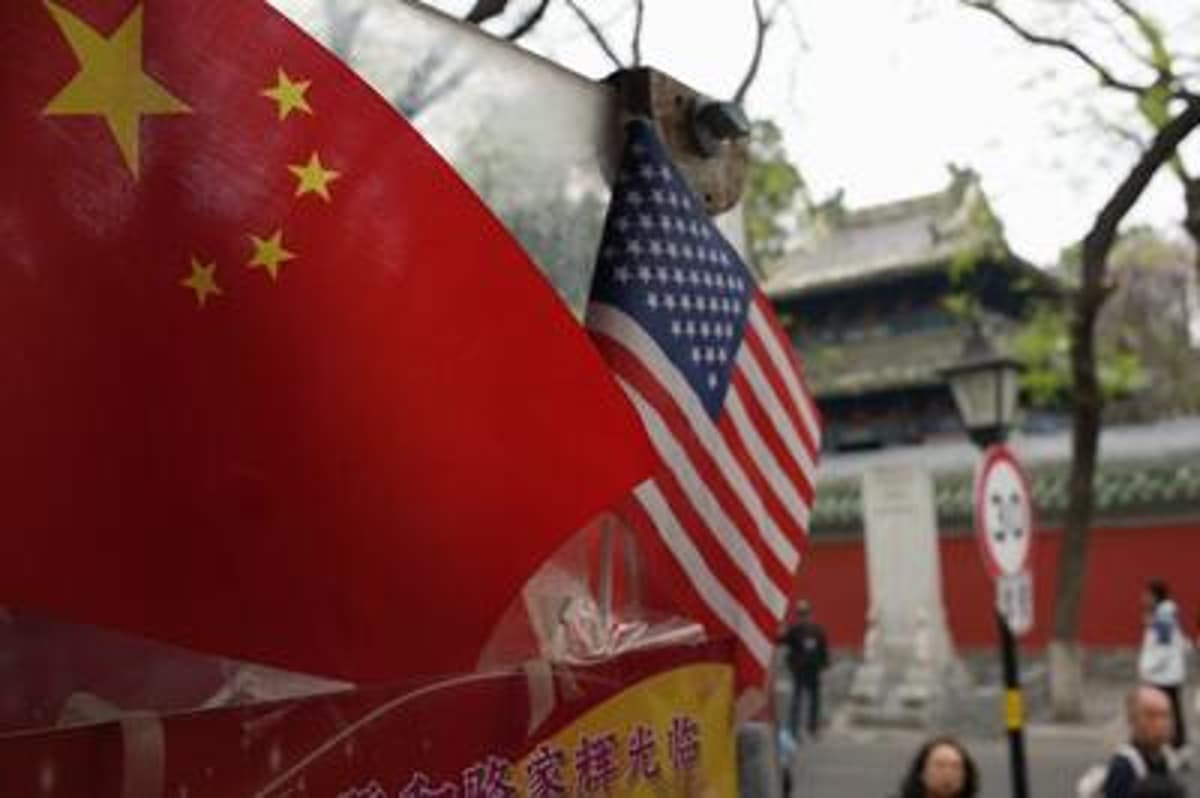
Trump Says He Will Discuss U.S. Arms Sales to Taiwan with China's Xi
Why It Matters
The outcome could shape U.S.-China strategic rivalry, affect Taiwan’s defense posture, and influence regional security and defense markets.
Key Takeaways
- •Trump plans to discuss Taiwan arms sales with Xi in Beijing.
- •U.S. approved $11 billion weapons package for Taiwan in December.
- •China opposes the sales, warning against Taiwan's self‑defense.
- •Taiwan Relations Act keeps U.S. support policy unchanged.
- •Meeting may affect global defense supply chains and market sentiment.
Pulse Analysis
The United States has long balanced its commitment to Taiwan’s self‑defense with the delicate task of managing a strategic rivalry with Beijing. Under the Taiwan Relations Act, Washington is authorized to provide defensive weapons, a policy reaffirmed after the December approval of an $11 billion arms package that includes missiles, drones, and naval systems. China views any such sales as a breach of its “One China” principle and has repeatedly warned that they could provoke a forceful response, heightening cross‑strait tensions.
President Trump’s decision to bring the issue directly to President Xi during their Beijing summit signals a willingness to engage in high‑level diplomatic bargaining. Historically, U.S.-China summits have produced mixed results—ranging from tacit understandings that preserve the status quo to sharp confrontations that harden policy stances. If Trump secures a concession, it could signal a shift toward a more restrained arms‑sale approach, potentially easing immediate geopolitical friction. Conversely, a firm refusal by Xi may reinforce Beijing’s hardline posture, prompting Washington to double down on its commitments to Taiwan and signaling to allies that U.S. support remains steadfast.
For defense manufacturers and investors, the stakes are significant. A de‑escalation could temper demand for Taiwan‑focused weaponry, affecting revenue forecasts for firms like Lockheed Martin, Raytheon, and emerging Asian suppliers. Conversely, heightened tensions typically boost defense spending, driving up order books and stock valuations. Supply‑chain considerations—particularly for high‑tech components sourced from Taiwan’s semiconductor industry—add another layer of risk. Market participants will be watching the summit’s outcomes closely, as any policy shift will ripple through global defense markets and influence broader assessments of geopolitical risk in the Indo‑Pacific region.
Trump says he will discuss U.S. arms sales to Taiwan with China's Xi
Comments
Want to join the conversation?
Loading comments...