Trump Says He’s Reviewing New Iran Proposal to End War
Why It Matters
The outcome of these negotiations could determine whether the strategic Strait of Hormuz reopens, directly affecting global oil flows and regional stability. A resolution or further escalation will shape sanctions policy and energy market volatility for months ahead.
Key Takeaways
- •Iran sent 14‑point proposal via Pakistan to US
- •Trump skeptical, says Iran hasn't paid enough price
- •Three‑week ceasefire holding despite ongoing negotiations
- •US threatens sanctions on firms paying Iran for Strait passage
- •US naval blockade since April 13 cuts Iranian oil revenue
Pulse Analysis
The latest diplomatic overture from Tehran arrives as Washington wrestles with a 14‑point Iranian proposal delivered through Pakistan, a long‑standing conduit for back‑channel talks. While the United States previously floated a nine‑point counter‑offer, President Trump’s public skepticism underscores the political calculus of a leader who has repeatedly dismissed Iranian overtures. Analysts note that the proposal’s timing—amid a fragile three‑week ceasefire—could be an attempt by the Revolutionary Guard to leverage its influence before the conflict escalates further.
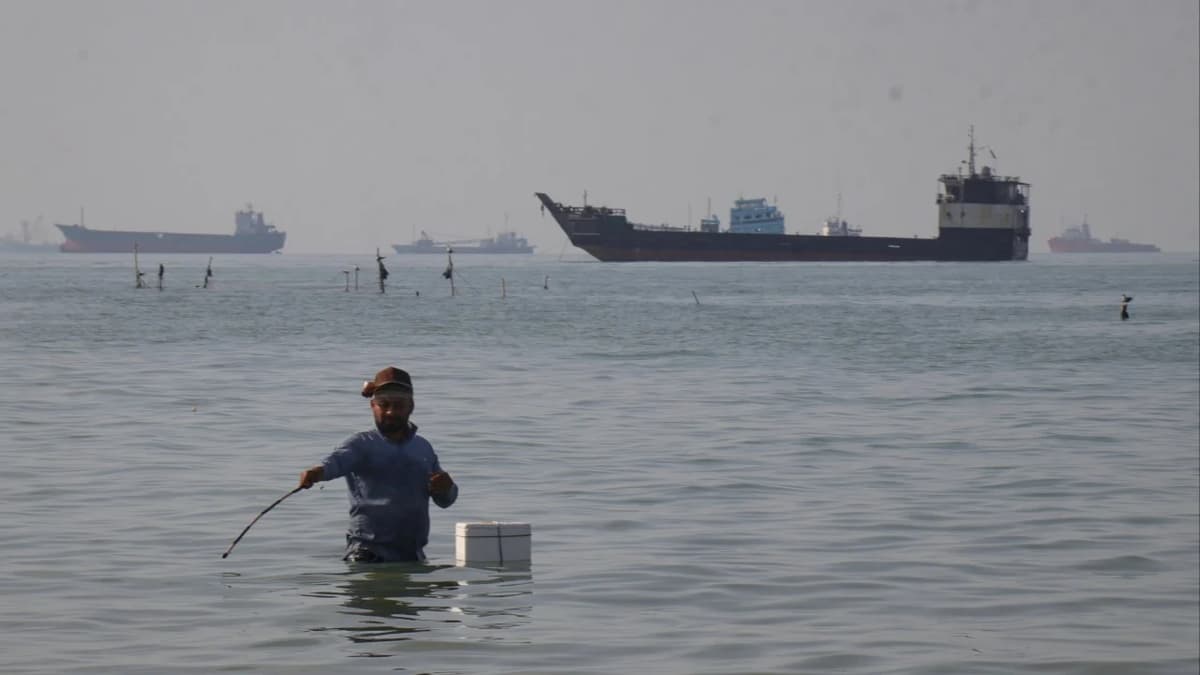
Control of the Strait of Hormuz remains a flashpoint, with roughly 20% of global oil and gas shipments transiting the narrow waterway. The U.S. has warned shipping firms that any payment—cash, digital assets, or in‑kind transfers—to Iran for safe passage will trigger sanctions, a stance that intensifies pressure on Tehran’s war chest. Since the April 13 naval blockade, dozens of commercial vessels have been ordered to turn back, tightening a squeeze that could ripple through global energy prices if the blockage persists.
The convergence of diplomatic talks and maritime pressure creates a volatile mix for investors and policymakers. A breakthrough in the 14‑point plan could unlock the strait, restore shipping flows, and ease sanctions‑related revenue losses for Iran, potentially stabilizing regional oil markets. Conversely, a stalemate may push Tehran toward alternative financing mechanisms, including cryptocurrency, while the United States balances domestic political considerations with the need to maintain energy security. Stakeholders are therefore watching for any shift in language from the White House as a barometer of future engagement.
Trump says he’s reviewing new Iran proposal to end war
Comments
Want to join the conversation?
Loading comments...