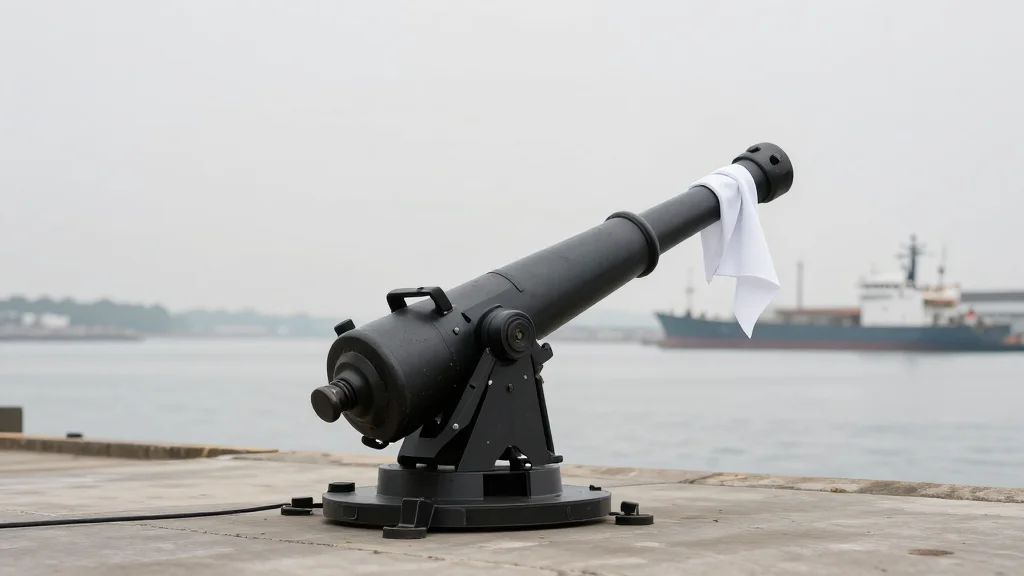
Trump Says Iran ‘Should Wave the White Flag of Surrender’
Why It Matters
Trump’s inflammatory rhetoric could inflame U.S.–Iran tensions and shape diplomatic calculations ahead of any future negotiations. It also signals to regional allies and adversaries that the former president remains a vocal influencer on Middle‑East security.
Key Takeaways
- •Trump labels Iran’s military capability as "peashooters"
- •He praises the U.S. blockade of Iranian ports as unchallengeable
- •Trump says Iran secretly wants a deal despite public posturing
- •He warns he will announce any cease‑fire violations
- •Comments may impact diplomatic efforts and regional stability
Pulse Analysis
Trump’s blunt assessment of Iran’s military underscores a broader narrative he has cultivated since leaving office: portraying Tehran as a weakened adversary that cannot challenge U.S. power. By describing Iranian forces as "peashooters," he aims to diminish the perceived threat and bolster domestic support for a tough stance. This rhetoric aligns with his past administration’s maximum‑pressure strategy, which relied on sanctions and naval blockades to coerce Tehran into compliance. While the comments are symbolic, they reinforce a perception that the United States can unilaterally dictate terms in the Persian Gulf, a message that resonates with hard‑line constituencies in Washington.
The endorsement of the ongoing blockade of Iranian ports adds another layer to the geopolitical calculus. The blockade, part of a multi‑year sanctions regime, has already constrained Iran’s oil exports, cutting revenue by an estimated $10 billion annually. By framing the blockade as "a piece of steel" that no one can challenge, Trump signals to both allies and rivals that the U.S. will maintain economic pressure until Tehran concedes. This stance could deter regional actors from engaging with Iran, but it also risks pushing Tehran toward alternative partners, such as China or Russia, potentially reshaping trade routes and energy markets.
Finally, Trump’s promise to “let you know” about any cease‑fire violations injects uncertainty into an already volatile security environment. While he no longer holds formal authority, his statements can influence policymakers and intelligence assessments, especially among Republican lawmakers who may echo his warnings in congressional hearings. The heightened rhetoric may complicate diplomatic overtures by the current administration, which seeks to balance deterrence with engagement. Investors and businesses monitoring Middle‑East stability should watch for any escalation that could affect oil prices, shipping lanes, and regional trade flows.
Trump says Iran ‘should wave the white flag of surrender’
Comments
Want to join the conversation?
Loading comments...