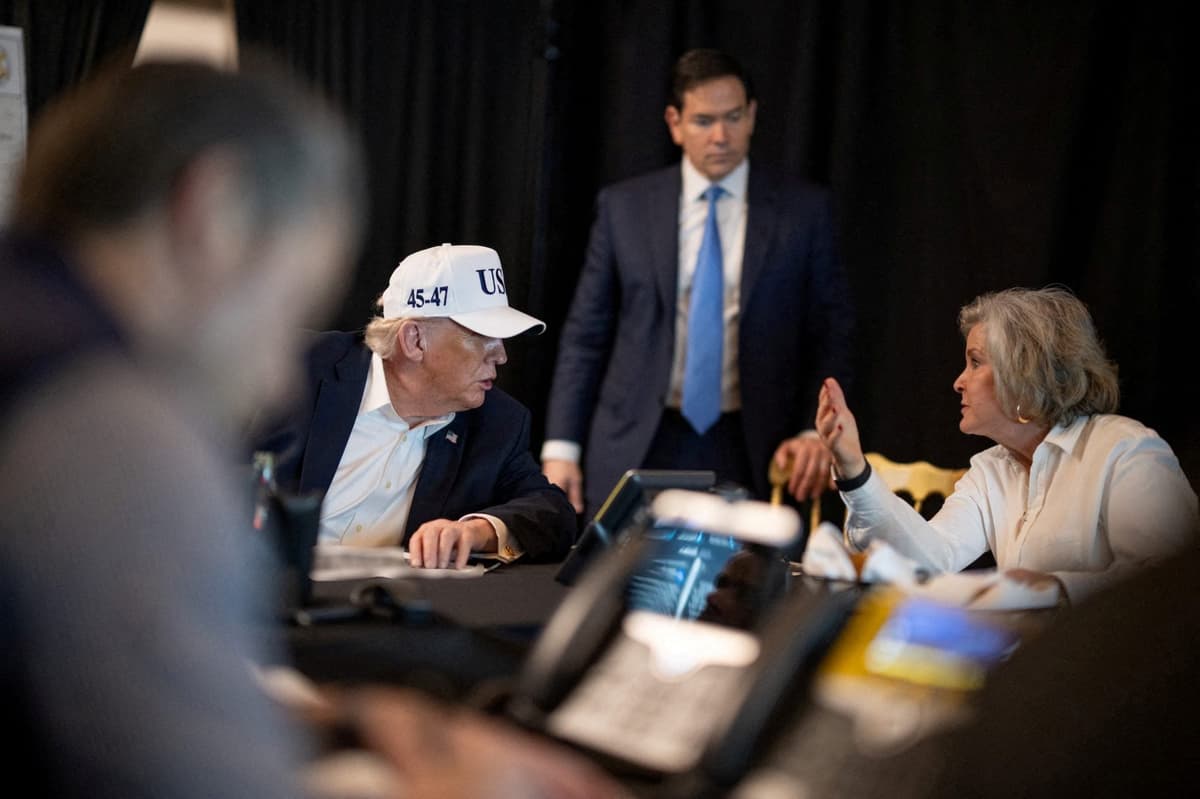
Trump Says Iran’s Response to U.S. Peace Proposal Is Unacceptable
Why It Matters
The standoff hampers diplomatic progress, keeping the Strait of Hormuz vulnerable and sustaining global energy market volatility, which directly impacts U.S. consumers and election‑year politics.
Key Takeaways
- •Trump labels Iran's response to U.S. peace proposal unacceptable
- •Iran proposes immediate war halt, blockade lift, and sanctions relief
- •Two vessels, including a Qatari LNG carrier, transit Hormuz despite tensions
- •U.S. faces domestic pressure as war threatens global energy markets
Pulse Analysis
The latest diplomatic exchange between Washington and Tehran underscores a widening gap in the peace process. President Donald Trump dismissed Iran’s reply to a U.S. offer for cease‑fire‑first talks as “totally unacceptable,” offering no specifics. Tehran’s semi‑official response called for an immediate end to hostilities on all fronts, a halt to the U.S. naval blockade, guarantees against further attacks, and the lifting of sanctions, including the ban on Iranian oil sales. By refusing to acknowledge these terms, the United States signals that it expects a more comprehensive settlement before any de‑escalation steps.
The Strait of Hormuz remains a flashpoint, handling roughly one‑fifth of the world’s oil supply and a growing share of liquefied natural gas shipments. Despite Iranian restrictions, a Qatari LNG carrier and a Panama‑flagged bulk ship successfully navigated the waterway, offering a brief reprieve for regional energy flows and Pakistan’s strained power grid. Yet the corridor’s safety is far from assured; the United Arab Emirates, Qatar, and Kuwait reported drone incursions on Sunday, highlighting the persistent threat to commercial vessels and the broader global energy market.
Trump’s diplomatic posture is being tested on multiple fronts. With a high‑stakes visit to China looming, the administration seeks to close the war narrative that has driven gasoline prices upward and eroded voter confidence ahead of the mid‑term elections. Congressional Democrats are already pushing a War Powers Act resolution, while NATO allies resist deploying warships without a comprehensive peace accord. The outcome of these negotiations will shape not only regional stability but also the United States’ ability to influence global energy pricing and its broader strategic standing in the Middle East.
Trump Says Iran’s Response to U.S. Peace Proposal is Unacceptable
Comments
Want to join the conversation?
Loading comments...