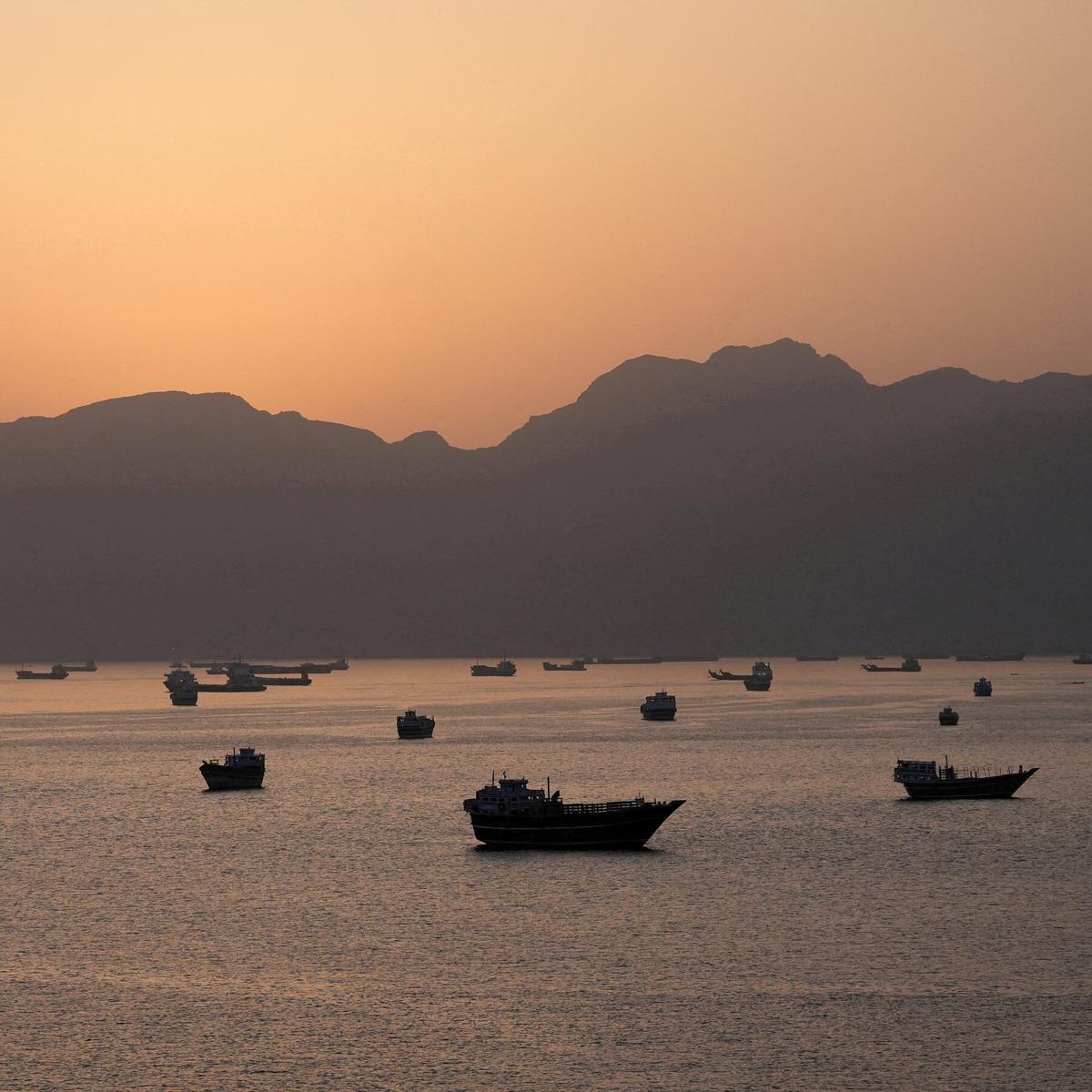
Trump Says U.S. Will Help Stranded Ships Leave Strait of Hormuz
Why It Matters
Restoring safe passage through the Hormuz chokepoint could stabilize oil markets and signal U.S. resolve against Iranian coercion, while also raising the stakes for a potential military escalation.
Key Takeaways
- •Project Freedom deploys 15,000 troops, destroyers, aircraft, unmanned platforms
- •Iran's closure threatens 20% of global oil shipments
- •U.S. coordination, not escort, aims to de‑conflict traffic
- •Any interference will be met forcefully, raising escalation risk
Pulse Analysis
The Strait of Hormuz remains one of the world’s most critical maritime arteries, funneling roughly 20% of daily oil consumption. Iran’s recent closure has forced tankers to reroute around Africa, inflating freight costs and tightening global supply. Energy traders watch the chokepoint closely; any disruption reverberates through gasoline prices, refinery margins, and broader market sentiment. In this high‑stakes environment, the United States’ decision to intervene carries weight far beyond regional politics.
"Project Freedom" represents a rapid‑deployment concept that blends traditional naval power with modern multi‑domain assets. According to U.S. Central Command, the effort will marshal guided‑missile destroyers, more than 100 land and sea‑based aircraft, and a suite of unmanned systems, all coordinated by a 15,000‑strong force. By framing the mission as traffic coordination rather than escort, Washington seeks to avoid direct confrontation while still asserting freedom of navigation. The explicit threat of a "forceful" response to interference underscores a strategic gamble: deter Iranian aggression without escalating to open conflict.
If successful, the initiative could reopen a vital conduit for crude and refined products, easing price pressures and reinforcing the credibility of U.S. commitments to allies reliant on Hormuz‑bound shipments. Conversely, a misstep—such as an Iranian attempt to intercept a vessel—could trigger a broader military response, jeopardizing the fragile cease‑fire and unsettling global markets. Investors, policymakers, and logistics firms will be monitoring the operation’s execution closely, as its outcome may reshape the calculus of maritime security and energy trade for months to come.
Trump Says U.S. Will Help Stranded Ships Leave Strait of Hormuz
Comments
Want to join the conversation?
Loading comments...