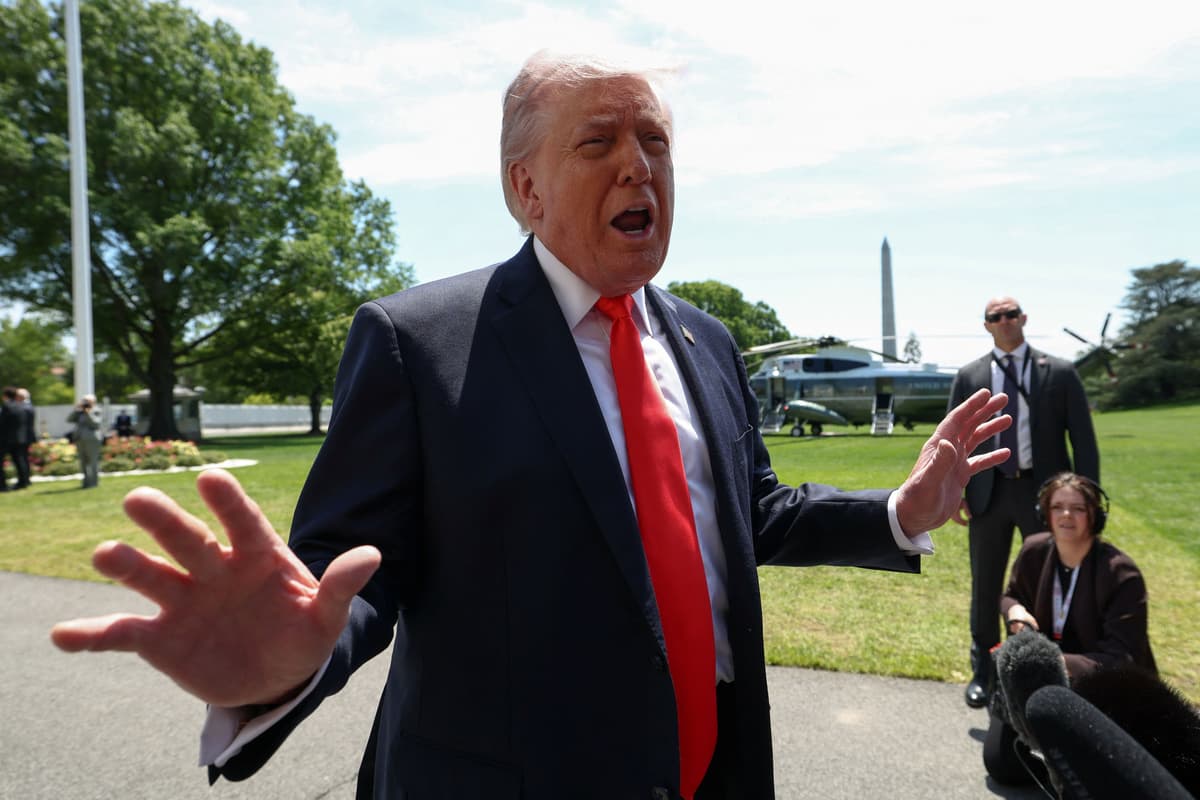
Trump Seeks to Deflate Iran Authorization Push by Telling Congress War Is Over
Why It Matters
Trump’s declaration sidesteps a constitutional check on executive war powers, shaping how Congress can influence future U.S. engagements with Iran. The split among Republicans signals ongoing uncertainty over legislative oversight of overseas conflicts.
Key Takeaways
- •Trump declares Iran hostilities ended, resetting War Powers clock.
- •He argues congressional authorization debate is unconstitutional under 1973 Act.
- •Senate vote to end action failed; only two GOP senators supported.
- •Republicans split on future war authorization if Iran conflict resumes.
- •Trump pledges to inform Congress while avoiding formal War Powers filing.
Pulse Analysis
The 1973 War Powers Act was designed to curb unchecked executive military action by requiring presidential notification after 60 days of hostilities and a subsequent congressional vote. By declaring the Iran conflict over and labeling any authorization debate unconstitutional, President Trump is effectively resetting the statutory clock without filing the formal notice Congress expects. This maneuver tests the limits of presidential authority and raises questions about the balance of power between the White House and the legislative branch, especially when the administration can claim a de‑escalation while retaining the option to re‑engage.
Within Capitol Hill, the response has been anything but uniform. While a Senate motion to formally end the Iran operation fell short, only two GOP senators—Susan Collins and Rand Paul—voted in favor, underscoring a fracture among Republicans. Some, like Sen. Todd Young, insist on a clear authorization process should hostilities resume, emphasizing democratic oversight. The split reflects broader anxieties about the administration’s willingness to re‑ignite conflict without legislative input, and it may influence future negotiations over the War Powers clock for other hotspots.
Beyond the immediate political drama, Trump’s stance could set a precedent for how future presidents manage low‑intensity conflicts. By framing a temporary lull as a termination of hostilities, the executive branch can avoid the procedural hurdles of the War Powers Act while preserving strategic flexibility. This approach may embolden administrations to label escalations as “pauses,” complicating congressional efforts to assert authority over military engagements. For policymakers and analysts, the episode highlights the need to revisit the War Powers framework to ensure it remains effective in an era of rapid, asymmetric warfare.
Trump seeks to deflate Iran authorization push by telling Congress war is over
Comments
Want to join the conversation?
Loading comments...