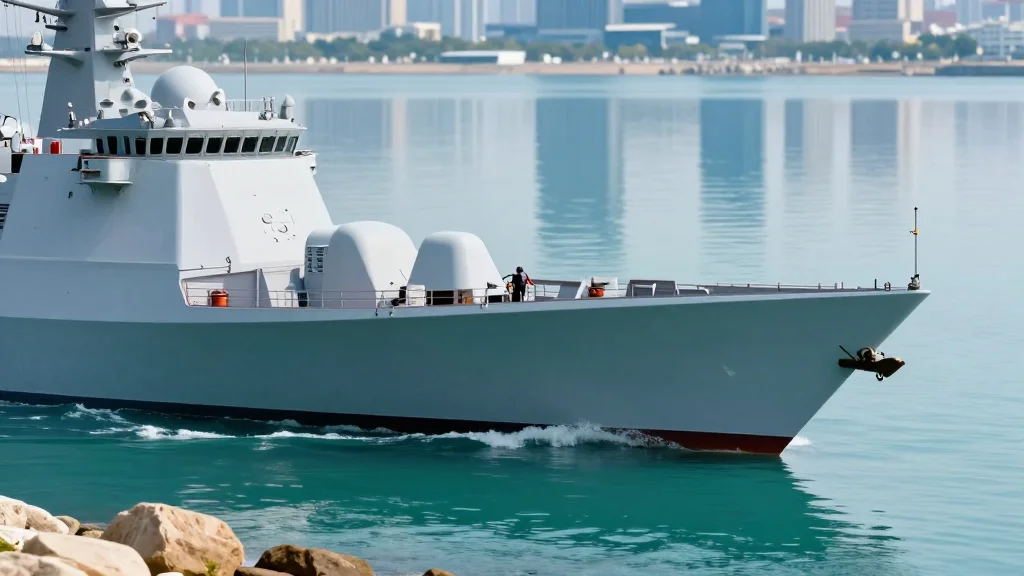
Trump Sending Vance, Witkoff and Kushner to Pakistan for Ceasefire Talks with Iran
Why It Matters
The delegation signals a direct U.S. push to stabilize a volatile Middle‑East flashpoint, aiming to protect global energy flows and reduce escalation risk. A durable cease‑fire could reshape regional alliances and influence global markets tied to oil shipments through the Hormuz corridor.
Key Takeaways
- •Trump dispatches VP Vance, envoy Witkoff, and Kushner to Islamabad.
- •Talks aim to solidify a permanent cease‑fire between Iran and Israel.
- •U.S. demands immediate reopening of Strait of Hormuz without restrictions.
- •White House calls Iran’s alleged Hormuz closure completely unacceptable.
- •Lebanon excluded from cease‑fire, highlighting broader regional complexities.
Pulse Analysis
The Trump administration’s decision to send Vice President JD Vance, seasoned negotiator Steve Witkoff, and former senior adviser Jared Kushner to Pakistan marks a rare high‑level U.S. diplomatic foray into the Iran‑Israel conflict. By choosing Islamabad as a neutral venue, Washington hopes to leverage Pakistan’s regional influence and its historic ties to both Tehran and Jerusalem. The move also reflects a broader strategy to reassert American leadership in Middle‑East peace initiatives after years of perceived disengagement.
At the heart of the talks lies the strategic Strait of Hormuz, a chokepoint through which roughly a fifth of global oil passes. The White House’s insistence on an immediate, unrestricted reopening underscores the corridor’s importance to global energy security and to U.S. financial markets that react sharply to any hint of disruption. Iran’s denial of any closure, coupled with the administration’s firm language, illustrates a high‑stakes diplomatic dance where each side must balance domestic pressures against international economic ramifications.
If successful, the cease‑fire could usher in a period of reduced military activity, easing tensions that have spiked oil prices and heightened investor anxiety. Conversely, a fragile or failed agreement may embolden hardliners on both sides, potentially destabilizing neighboring economies and prompting renewed sanctions or military posturing. Stakeholders—from multinational energy firms to regional governments—will be watching the Islamabad outcomes closely, as they will likely set the tone for U.S. engagement in the region for the foreseeable future.
Trump sending Vance, Witkoff and Kushner to Pakistan for ceasefire talks with Iran
Comments
Want to join the conversation?
Loading comments...