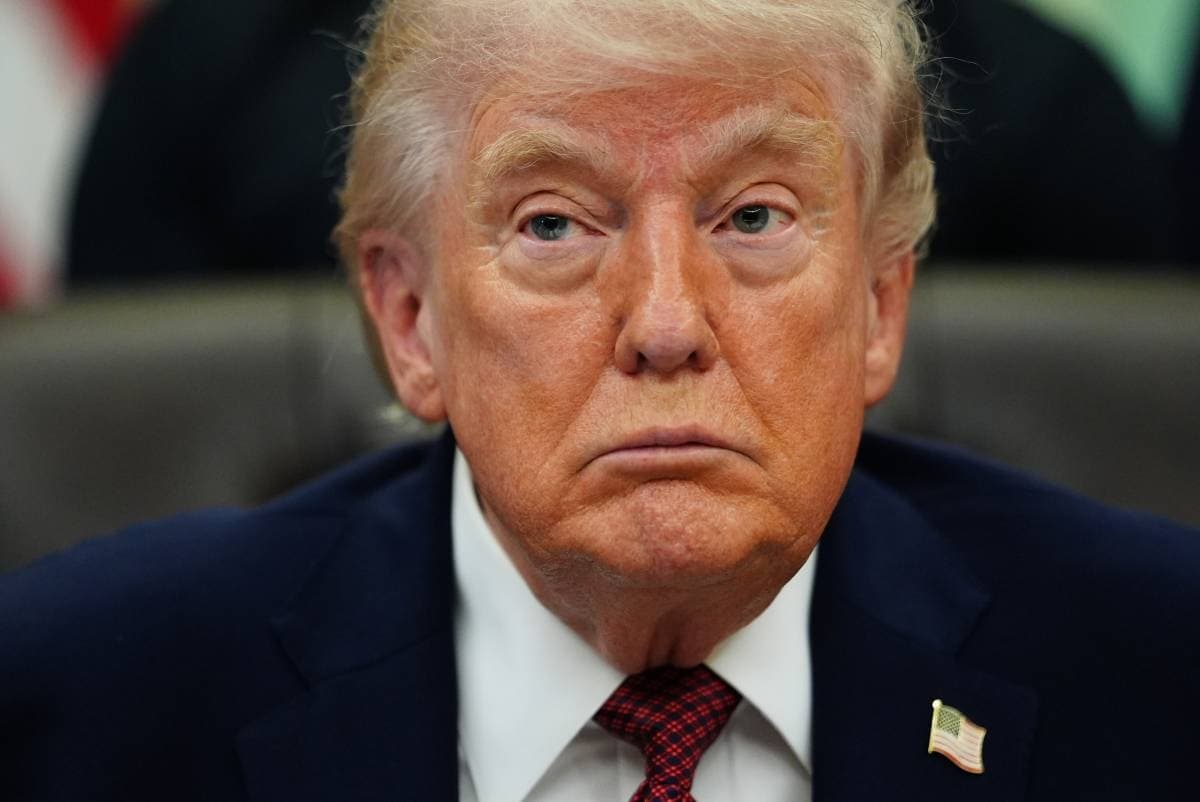
Trump Signs Bill Extending Controversial Surveillance Powers Until April 30
Why It Matters
The short‑term renewal keeps a key intelligence tool operational, affecting how U.S. agencies gather foreign data and potentially American communications. Ongoing debate could shape future legislation on surveillance oversight and privacy protections.
Key Takeaways
- •Trump signs stopgap extension of Section 702 until April 30
- •Senate approved renewal in last‑minute vote to avoid lapse
- •Critics demand warrant requirement for Americans' communications
- •House previously proposed five‑year renewal with reforms
- •Extension reignites debate over privacy vs. security
Pulse Analysis
Section 702 of the Foreign Intelligence Surveillance Act has become a cornerstone of U.S. intelligence gathering since its 2008 amendment, allowing agencies to sweep up foreign communications without a traditional warrant. Over the past decade, the provision has been renewed several times, each cycle sparking legal challenges and public scrutiny. The latest short‑term extension reflects a pattern of stopgap measures that keep the program alive while lawmakers wrestle with the balance between national security imperatives and constitutional privacy protections.
The political calculus behind the April 30 deadline is rooted in partisan dynamics. President Trump and Senate Republicans framed the renewal as essential to counter emerging threats, while House leaders attempted a more ambitious five‑year bill with modest reforms. When those negotiations stalled, both chambers resorted to a temporary fix, underscoring the difficulty of reaching consensus on surveillance reform. Civil‑liberty advocates, including the ACLU and Electronic Frontier Foundation, have intensified calls for a warrant requirement, arguing that incidental collection of Americans' data erodes Fourth Amendment rights.
For technology firms and telecom operators, the extension carries operational and compliance implications. Companies must continue to provide metadata and content to the NSA under court orders, a process that incurs legal costs and raises reputational risks. Meanwhile, investors watch the evolving regulatory landscape, as stricter oversight could reshape data‑handling practices and affect market valuations of firms reliant on data analytics. The looming congressional debate will likely determine whether Section 702 evolves toward greater transparency or remains a broad, warrant‑less tool for intelligence agencies.
Trump signs bill extending controversial surveillance powers until April 30
Comments
Want to join the conversation?
Loading comments...