Trump Steps up Iran Threats as Deadline Approaches
Why It Matters
The heightened threat level could destabilize Middle‑East markets and force allies to reassess security commitments, while also influencing global oil prices and investment risk.
Key Takeaways
- •Trump warns Iran of consequences after deadline
- •Deadline tied to nuclear deal compliance timeline
- •U.S. military posture in Middle East intensifies
- •Diplomatic channels remain open despite rhetoric
- •Regional allies brace for potential escalation
Pulse Analysis
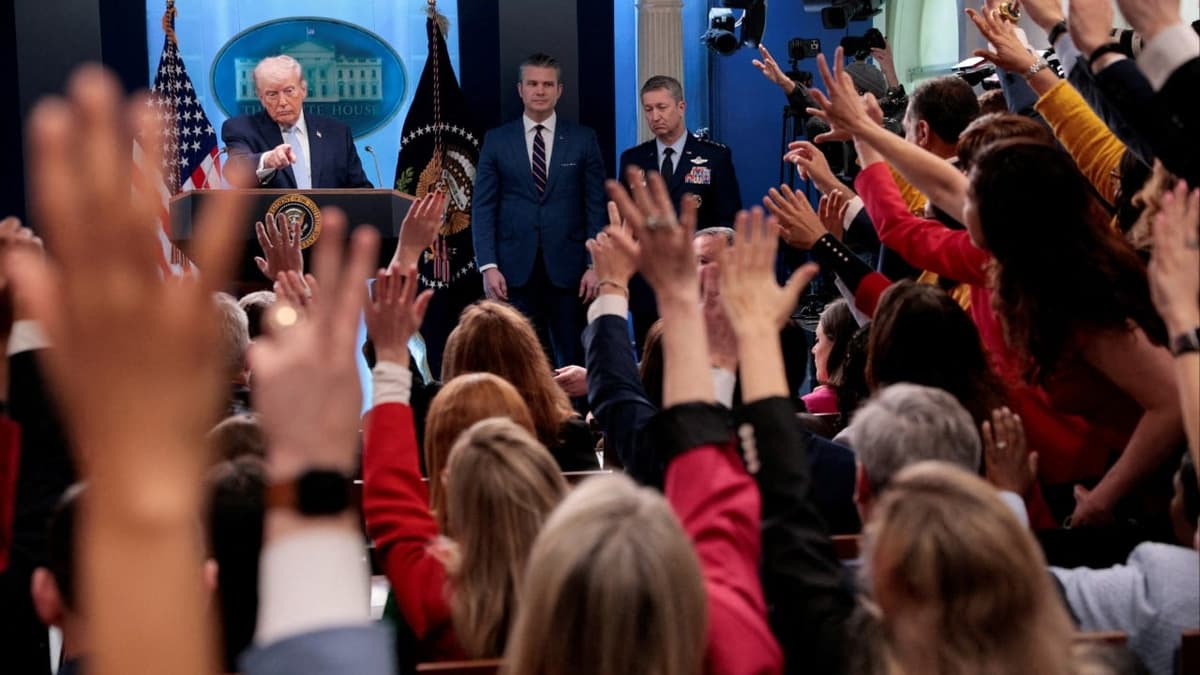
The looming deadline on Iran’s nuclear commitments has become a flashpoint for the Trump administration, which is leveraging both diplomatic pressure and the threat of force to extract compliance. By tying the deadline to specific enrichment and inspection milestones, Washington aims to compel Tehran to adhere to the Joint Comprehensive Plan of Action (JCPOA) or face punitive measures. Trump’s recent statements, delivered at a press briefing and on social media, underscore a shift from the previous administration’s more conciliatory tone, emphasizing "serious consequences" for non‑compliance. This rhetoric is designed to signal resolve to both domestic audiences and international partners, while also testing Iran’s willingness to negotiate under duress.
The escalation carries immediate implications for global markets, particularly energy commodities. A perception of heightened conflict risk typically drives oil prices upward, affecting everything from airline operating costs to consumer gasoline prices. Moreover, investors monitor U.S. policy shifts closely, as sanctions can disrupt supply chains and limit access to Iranian oil and related financial instruments. Regional allies such as Saudi Arabia, Israel, and the United Arab Emirates are recalibrating their defense postures, potentially increasing defense spending and seeking additional U.S. support. The broader geopolitical ripple effect may also influence European Union strategies, as EU members balance their own diplomatic engagements with Iran against U.S. pressure.
Despite the aggressive tone, diplomatic avenues remain open. Back‑channel communications between U.S. and Iranian officials continue, aiming to find a compromise that averts military confrontation. Analysts suggest that a calibrated response—combining targeted sanctions with limited diplomatic concessions—could preserve the nuclear agreement framework while addressing U.S. security concerns. Companies operating in the region are advised to monitor policy developments closely, diversify supply chains, and engage with risk‑management experts to navigate the volatile environment.
Trump steps up Iran threats as deadline approaches
Comments
Want to join the conversation?
Loading comments...