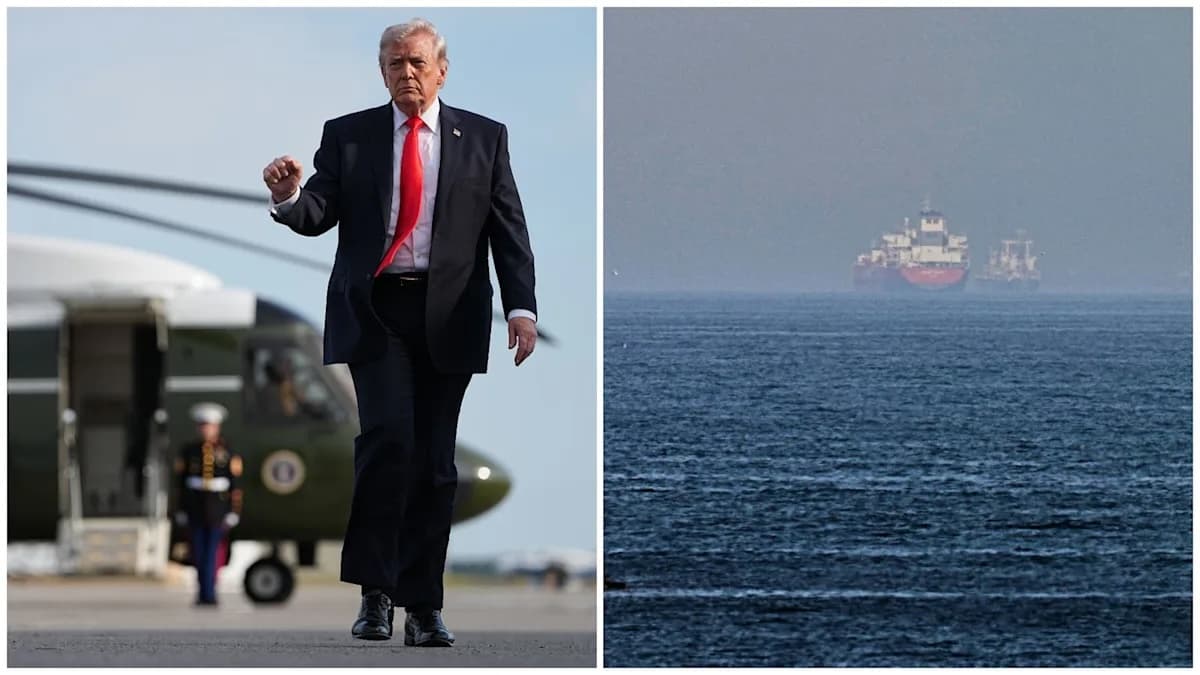
Trump Team Denies Iran Hit US Warship Entering Hormuz Strait
Why It Matters
The episode heightens geopolitical risk to a vital oil conduit, affecting global fuel prices and U.S. energy security, while credibility gaps may complicate diplomatic and market responses.
Key Takeaways
- •Iran claimed two missiles hit a U.S. frigate in the Hormuz Strait
- •CENTCOM’s fact‑check says no U.S. warship was struck
- •“Project Freedom” aims to escort commercial vessels through the contested waterway
- •The Strait handles roughly 20% of global oil shipments, influencing fuel prices
- •Analysts warn repeated denials could erode U.S. credibility in the region
Pulse Analysis
The Strait of Hormuz has long been a flashpoint for U.S.–Iran tensions, and its strategic value has surged as Iran leverages the narrow passage to pressure global oil markets. Roughly one‑fifth of the world’s seaborne crude passes through the waterway, meaning any disruption can ripple through gasoline prices, as seen when recent closures pushed U.S. pump prices above $4 per gallon. President Trump’s “Project Freedom” seeks to re‑establish commercial navigation under U.S. escort, signaling a willingness to confront Tehran’s threats directly.
Iranian outlets, notably Fars and Tasnim, reported that two missiles struck a U.S. frigate that allegedly ignored Iranian navigation warnings. CENTCOM’s rapid fact‑check denied any hit, emphasizing that U.S. vessels are merely supporting the escort mission. This back‑and‑forth mirrors previous episodes where the administration initially dismissed hostile incidents before later acknowledging them, eroding confidence among allies and investors. Historical parallels, such as the disputed casualty figures after the 2020 Soleimani strike, illustrate a pattern that fuels skepticism about official statements.
The broader market impact hinges on whether Iran escalates its interdiction tactics. Even the perception of a threat can tighten oil futures, prompting higher hedging costs for airlines and manufacturers. For policymakers, the challenge is balancing a credible deterrent posture with diplomatic channels that prevent a full‑scale naval clash. Continued monitoring of vessel tracking data and open‑source intelligence will be essential to gauge real‑time risk and guide both commercial shipping decisions and U.S. strategic planning.
Trump team denies Iran hit US warship entering Hormuz Strait
Comments
Want to join the conversation?
Loading comments...