Defense News and Headlines
  • All Technology
  • AI
  • Autonomy
  • B2B Growth
  • Big Data
  • BioTech
  • ClimateTech
  • Consumer Tech
  • Crypto
  • Cybersecurity
  • DevOps
  • Digital Marketing
  • Ecommerce
  • EdTech
  • Enterprise
  • FinTech
  • GovTech
  • Hardware
  • HealthTech
  • HRTech
  • LegalTech
  • Nanotech
  • PropTech
  • Quantum
  • Robotics
  • SaaS
  • SpaceTech
AllNewsDealsSocialBlogsVideosPodcastsDigests

Defense Pulse

EMAIL DIGESTS

Daily

Every morning

Weekly

Sunday recap

NewsDealsSocialBlogsVideosPodcasts
DefenseNewsTrump Tells Troops 'Fear' Is Powerful Motivator in Difficult Iran Talks
Trump Tells Troops 'Fear' Is Powerful Motivator in Difficult Iran Talks
Global EconomyDefense

Trump Tells Troops 'Fear' Is Powerful Motivator in Difficult Iran Talks

•February 13, 2026
0
Al-Monitor – All
Al-Monitor – All•Feb 13, 2026

Why It Matters

Trump’s rhetoric signals a hard‑line U.S. posture that could shape the trajectory of Iran’s nuclear talks and influence domestic political dynamics. It underscores the intertwining of foreign policy and election strategy in a swing‑state setting.

Key Takeaways

  • •Trump urged fear to pressure Iran in nuclear talks
  • •Second U.S. carrier deployed to Middle East as backup
  • •Oman mediated recent US‑Iran diplomatic contacts
  • •Speech blended military briefing with partisan political warnings
  • •Fort Bragg visit highlights Trump's swing‑state campaign strategy

Pulse Analysis

The latest round of U.S.-Iran nuclear negotiations has entered a tense phase, with President Trump publicly suggesting that fear can be an effective lever. By invoking the June strikes on Iran’s nuclear facilities and emphasizing a "hard‑line" approach, the administration signals a willingness to combine diplomatic outreach with overt coercive messaging. This blend of deterrence and negotiation reflects a broader U.S. strategy that seeks to keep Tehran off‑balance while preserving room for a diplomatic breakthrough.

Oman’s recent facilitation of back‑channel talks illustrates the delicate balance between pressure and engagement. The deployment of the world’s largest aircraft carrier to the region serves as a tangible reminder of U.S. military readiness, potentially raising the stakes for Tehran should talks collapse. Analysts caution that such a show of force, while intended as a bargaining chip, could also trigger escalation if misinterpreted, complicating the already fragile diplomatic environment and affecting global energy markets.

Beyond the geopolitical calculus, Trump’s Fort Bragg address underscores how foreign‑policy narratives are being woven into domestic campaign messaging. By coupling a military briefing with partisan warnings about Democratic control of Congress, the president is leveraging a swing‑state audience to reinforce his reelection platform. This approach may bolster short‑term political support but risks politicizing the military and influencing policy decisions with electoral considerations, a dynamic that could reverberate through future defense and diplomatic initiatives.

Trump tells troops 'fear' is powerful motivator in difficult Iran talks

By Steve Holland and Trevor Hunnicutt

FORT BRAGG, North Carolina, Feb 13 (Reuters) – President Donald Trump told U.S. troops on Friday that Iran has been “difficult” in nuclear negotiations and suggested that instilling fear in Tehran may be necessary to resolve the standoff peacefully.

“They've been difficult to make a deal,” Trump said of the Iranians before an audience of active‑duty soldiers at Fort Bragg Army base in North Carolina after U.S. officials said they were sending a second aircraft carrier to the Middle East.

“Sometimes you have to have fear. That's the only thing that really will get the situation taken care of.”

During his address Trump also referenced the U.S. bombing of Iran's nuclear sites last June.

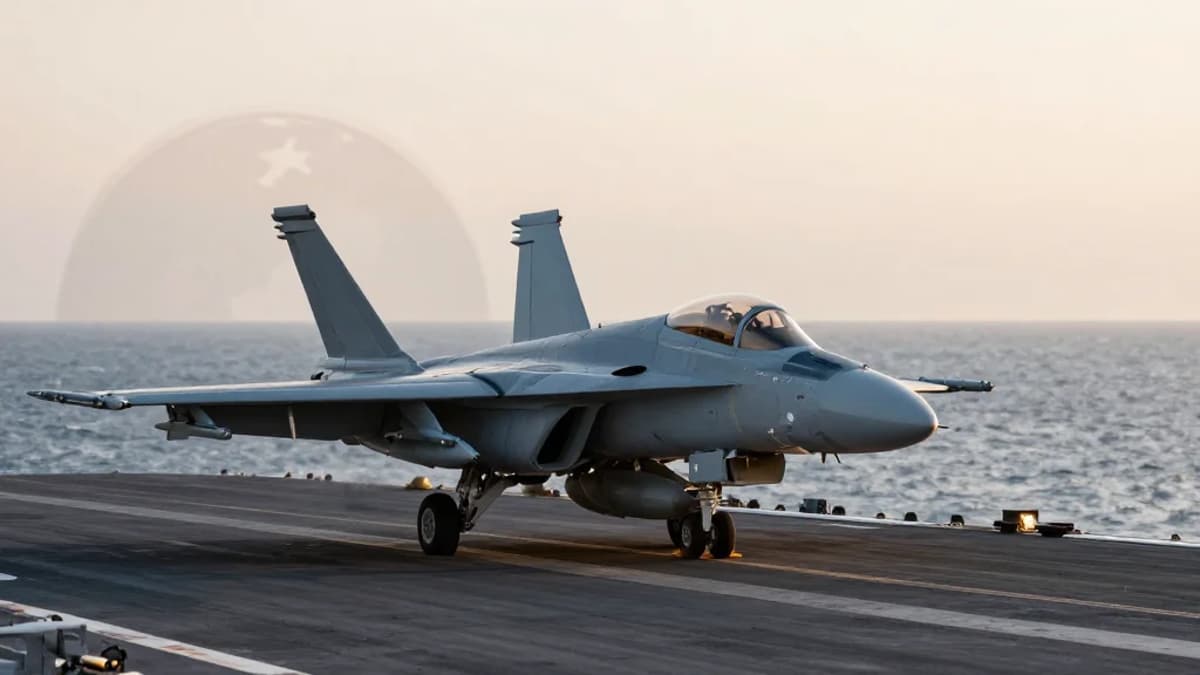
Earlier, he said the deployment of the world’s largest aircraft carrier was being made so “we'll have it ready” should negotiations with Iran fail.

Oman facilitated talks between Iran and the U.S. last week, which a spokesperson for Iran's foreign ministry said had allowed Tehran to gauge Washington’s seriousness and showed enough consensus for diplomacy to continue. The date and venue of the next round of U.S.–Iran talks have yet to be announced.

The president traveled to Fort Bragg to meet special‑forces troops involved in the audacious January 3 operation to seize Venezuelan President Nicolás Maduro.

Maduro, who faces narco‑terrorism and drug‑trafficking charges in U.S. court, denies wrongdoing and maintains he is the rightful leader of Venezuela. In the weeks since the Venezuelan leader’s capture, Trump has worked with Maduro’s interim successor Delcy Rodríguez and sought broad control over the country’s oil industry.

Fort Bragg is home to some 50,000 active‑duty soldiers. It also sits in one of the country’s more competitive political states.

North Carolina is expected to host closely fought races for both the Senate and House of Representatives in November’s congressional election. The state will be one of the biggest prizes in the 2028 presidential election.

During the visit, Trump broke with presidential norms and delivered an openly political speech to the troops, blasting his political opponents and warning that Democrats would undermine the military if they won control of Congress in the elections.

Trump’s public approval ratings have slid since his January 2025 inauguration, with voters mainly concerned about the high cost of living. Aides have said the president will eventually travel weekly to competitive states to speak with voters.

(Reporting by Steve Holland in Fort Bragg, North Carolina, and Trevor Hunnicutt in Washington; editing by Ross Colvin and Diane Craft)

Read Original Article
0

Comments

Want to join the conversation?

Loading comments...