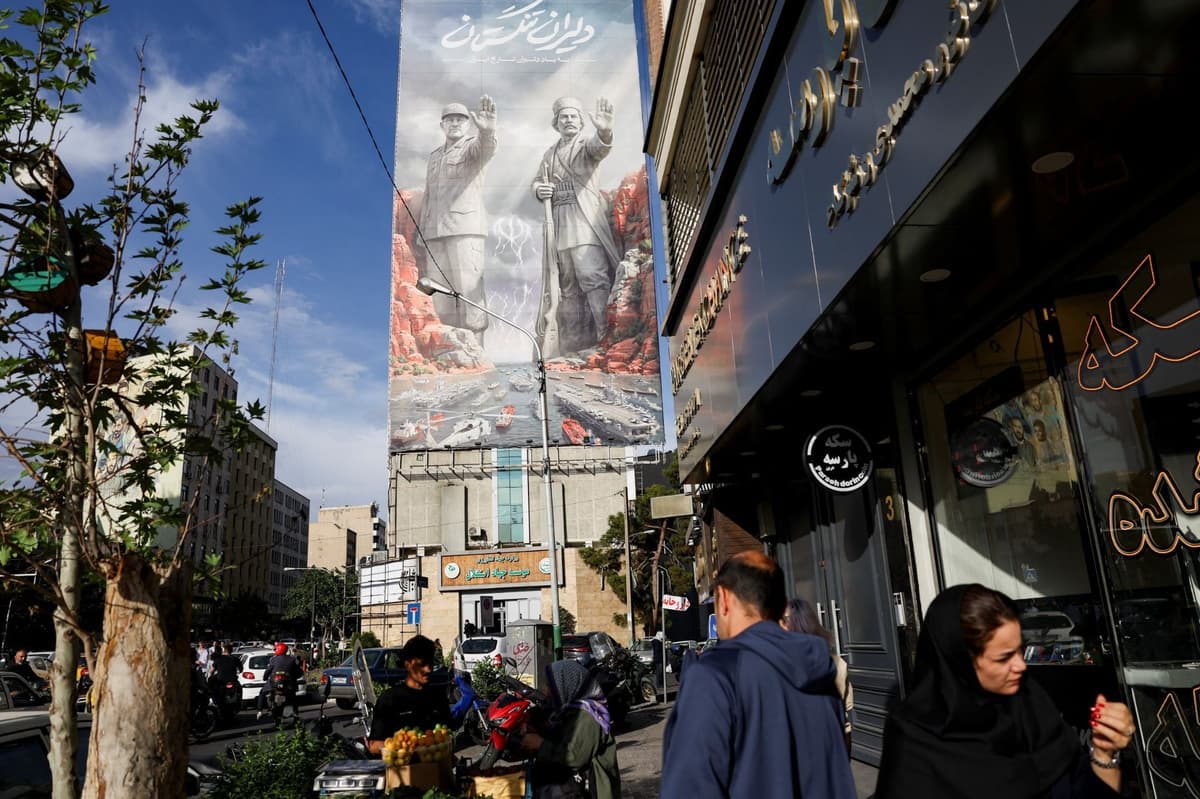
Trump Threatens Iran, Undermining Fragile Ceasefire
Why It Matters
The escalation threatens to destabilize global energy markets and could draw the United States deeper into a regional war, raising geopolitical and economic risks for investors.
Key Takeaways
- •Trump's threats risk unraveling US‑Iran ceasefire
- •Drone attacks near UAE plant raise nuclear safety concerns
- •Saudi Arabia intercepts Iraqi‑origin drones linked to Iranian proxies
- •Hormuz closure cuts ~20% of global oil, hits Qatar LNG earnings
Pulse Analysis
President Donald Trump's recent verbal escalation toward Tehran marks a sharp departure from the diplomatic restraint that has underpinned the current US‑Iran ceasefire. By publicly threatening retaliation, the White House risks eroding the tacit understanding that has prevented a full‑scale ground war since the conflict erupted in early 2026. Analysts warn that such rhetoric can quickly translate into policy shifts, prompting the Pentagon to reassess force postures in the Gulf and compelling allies to reconsider their own engagement rules. The fragile peace, already dependent on back‑channel communications, now faces a heightened chance of collapse.
Concurrently, a drone strike that sparked a fire near a UAE nuclear plant and Saudi Arabia’s interception of Iraqi‑origin drones underscore the expanding proxy war that Iran is alleged to orchestrate. These incidents expose vulnerabilities in critical infrastructure and air‑defense systems across the Gulf, prompting regional governments to invest in advanced detection technologies and tighter command‑and‑control protocols. The involvement of non‑state actors also complicates attribution, making diplomatic de‑escalation more difficult and raising the specter of accidental escalation should a misidentified target be engaged.
The closure of the Strait of Hormuz, which now blocks roughly 20% of global oil shipments, has already tightened crude markets and pressured spot prices upward. Qatar, whose recent growth has been powered by LNG exports, is seeing its revenue forecasts trimmed as shipping delays ripple through energy contracts. Meanwhile, Iran’s so‑called “vulture’s advantage” – a willingness to endure sanctions longer than its rivals – forces oil‑importing nations to seek alternative routes, reshaping trade flows and heightening geopolitical risk premiums. Investors are therefore monitoring diplomatic signals closely, as any shift could trigger rapid re‑pricing across commodities and equities.
Trump threatens Iran, undermining fragile ceasefire
Comments
Want to join the conversation?
Loading comments...