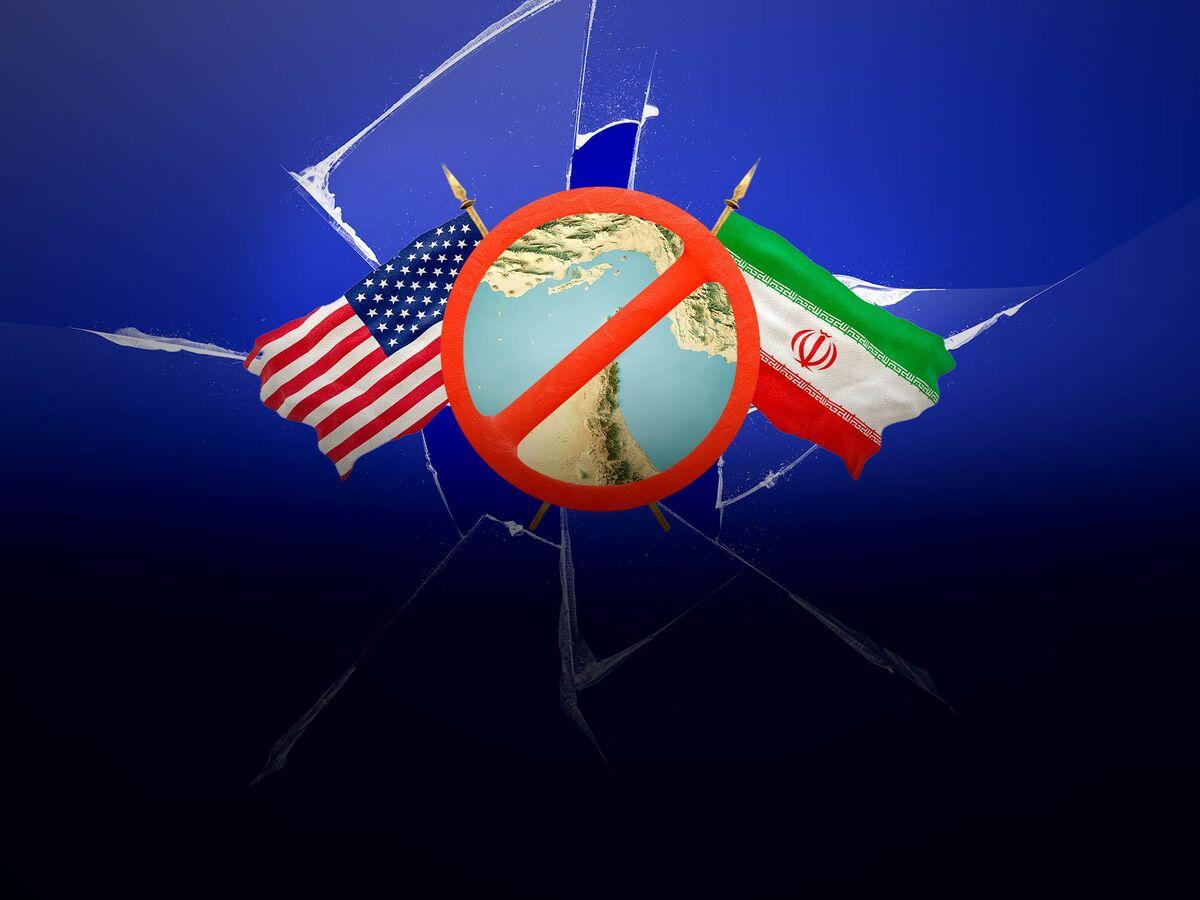
Trump Vows to Blockade Hormuz After Iran Talks Fail
Companies Mentioned


Why It Matters
A Hormuz blockade could spike oil prices and disrupt supply chains, while Japan’s chip spend and Apple’s glasses signal a new wave of AI hardware competition; RBI’s curbs aim to stabilize the rupee amid volatile markets.
Key Takeaways
- •Trump announced a full naval blockade of Hormuz starting Monday
- •Japan committed $16 billion to Rapidus for AI‑chip production
- •Apple targets late‑2026 launch of AI‑powered smart glasses
- •RBI capped bank currency bets at $100 million, forcing $30 billion unwind
- •KBW Bank Index trades at 12× earnings, 40% discount to S&P 500
Pulse Analysis
The prospect of a U.S. naval blockade of the Strait of Hormuz revives a flashpoint that has historically sent crude prices surging. Hormuz handles roughly a third of the world’s petroleum shipments, so any disruption forces traders to reassess risk premiums and could accelerate the shift toward alternative routes or strategic reserves. Investors are watching closely for immediate price reactions and longer‑term implications for energy‑security policies across Europe and Asia.
Japan’s $16 billion injection into Rapidus marks a decisive effort to re‑enter the advanced‑node chip market, a sector dominated by Taiwan’s TSMC and South Korea’s Samsung. The funding targets 2‑nanometer and beyond production lines, positioning the country to supply AI accelerators for data‑center and automotive applications. This move not only bolsters Japan’s domestic supply chain but also diversifies the global AI‑chip ecosystem, potentially easing the current shortages that have hampered AI model training and deployment.
Meanwhile, Apple’s development of AI‑enabled smart glasses reflects the broader consumer‑tech race to capture the emerging augmented‑reality market. By aiming for a late‑2026 release, Apple seeks to leverage its ecosystem and design expertise to challenge Meta’s offerings. Coupled with the RBI’s $100 million cap on bank currency bets—forcing a $30 billion unwind—and a banking sector trading at a steep discount, the financial landscape is marked by heightened volatility. Market participants must navigate geopolitical risk, supply‑chain shifts, and regulatory actions as they shape investment strategies for the coming year.
Trump Vows to Blockade Hormuz After Iran Talks Fail
Comments
Want to join the conversation?
Loading comments...