Trump Vows to Find ‘Leaker’ Who Publicized Search for Second Downed Airman in Iran
Why It Matters
The incident underscores escalating U.S.–Iran hostilities and tests the balance between national security claims and First Amendment protections, potentially reshaping media‑government relations during a volatile conflict.
Key Takeaways
- •Trump threatened legal action against outlet reporting missing airman
- •Two U.S. airmen rescued after crash; one evaded Iran for a day
- •Iran shot down an A-10 supporting the rescue mission
- •U.S. launched its largest strike volume since war began
- •Press freedom concerns rise as administration may subpoena journalists
Pulse Analysis
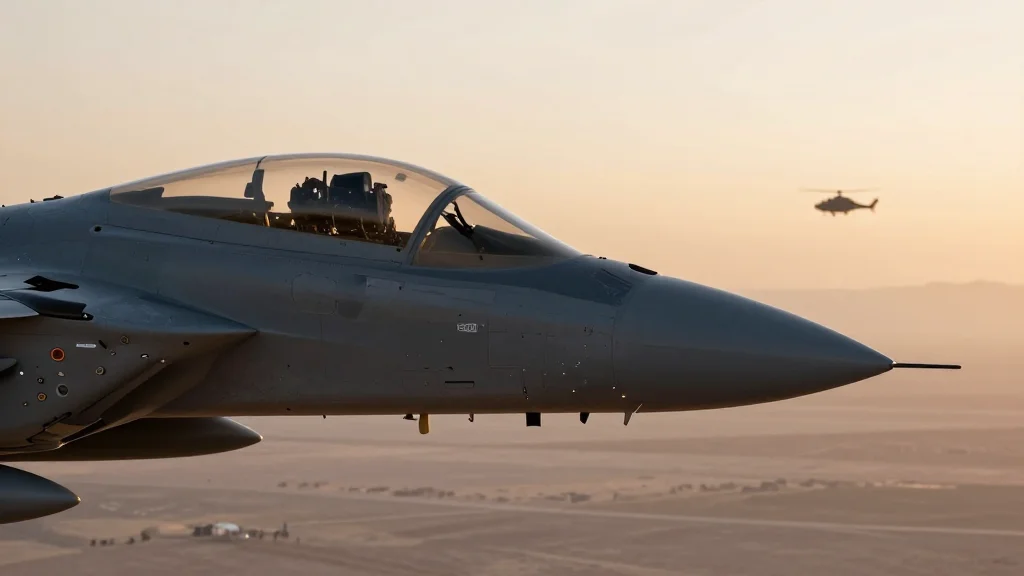
The downing of a U.S. F‑15E over Iranian airspace reignited a flashpoint that had been simmering since the conflict’s inception. After the aircraft’s pilot ejected and was rescued within hours, the weapons‑system officer spent more than 24 hours navigating rugged terrain while evading Iranian forces before activating his emergency transponder. A rapid special‑operations sortie crossed the border, extracting the airman, while an accompanying A‑10 Warthog was shot down, highlighting Iran’s willingness to engage U.S. assets directly. The episode illustrates how quickly tactical incidents can expand into strategic confrontations, especially when both sides possess advanced air‑power capabilities.
President Trump’s public vow to identify and punish the news organization that disclosed the missing airman marks a stark escalation in the administration’s approach to information control. By suggesting the Justice Department could subpoena a reporter’s source, the White House is invoking national‑security rhetoric that could set a precedent for curbing journalistic independence. Media watchdogs warn that such actions risk eroding the First Amendment’s shield against government overreach, especially in wartime where the flow of information is already constrained. The move also signals to foreign adversaries that the U.S. may leverage legal pressure to manage narrative, a tactic that could complicate diplomatic channels and embolden authoritarian regimes.
Strategically, the incident dovetails with a broader U.S. campaign of intensified strikes, described by Defense Secretary Pete Hegseth as the largest volume since the war’s outset. Coupled with Trump’s earlier threats to target Iranian civilian infrastructure, the situation raises the specter of a wider escalation that could destabilize the Gulf region. Stakeholders—from energy markets to multinational corporations—must monitor how Washington balances kinetic responses with diplomatic overtures, as any misstep could trigger retaliatory actions from Tehran, further jeopardizing global trade routes like the Strait of Hormuz. The evolving dynamics underscore the importance of calibrated policy decisions that consider both immediate military objectives and long‑term geopolitical stability.
Trump vows to find ‘leaker’ who publicized search for second downed airman in Iran
Comments
Want to join the conversation?
Loading comments...