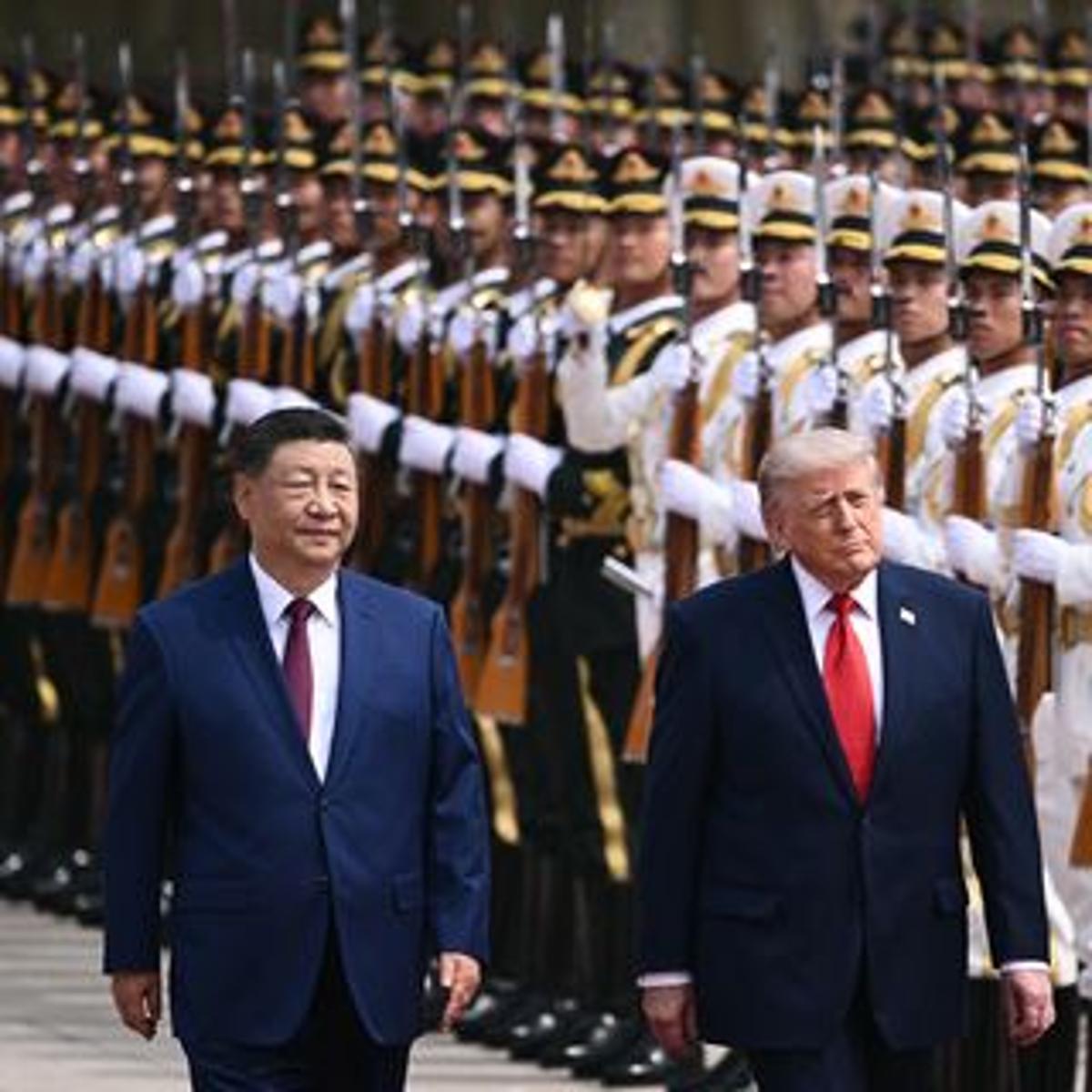
Trump Waffles on Taiwan Arms Deal After Xi Talks
Why It Matters
Trump’s ambivalence could stall a major Taiwan defense upgrade, heightening cross‑strait tensions and testing U.S. credibility with regional partners. The decision will shape the balance of power in East Asia and the trajectory of U.S.–China strategic competition.
Key Takeaways
- •Trump hesitates to approve $14 bn Taiwan arms package after Xi talks
- •U.S. 1982 six assurances policy cited but dismissed as outdated
- •Congress approved $25 bn funding, including $11 bn tranche signed last year
- •Japan's PM says Trump’s hawkish Taiwan stance conflicts with U.S. posture
- •Analysts warn more weapons could increase Beijing’s incentive to use force
Pulse Analysis
The United States has long balanced its commitment to Taiwan’s self‑defense with a desire to avoid direct confrontation with Beijing. Under the Taiwan Relations Act and the 1982 six‑assurances, Washington pledges to provide defensive arms while not consulting China on those sales. Trump’s recent comments, however, suggest a willingness to sidestep the historic agreement if it serves broader diplomatic goals, raising questions about the durability of long‑standing policy frameworks.
Domestically, the arms package has already cleared Congress, with a $25 billion appropriation that includes an $11 billion tranche signed in the previous year. Lawmakers favor a robust deterrent to counter Beijing’s growing military posture, yet Trump’s hesitation introduces uncertainty for defense contractors and Taiwan’s own procurement timeline. Regional allies such as Japan and South Korea have expressed concern that a muted U.S. response could embolden China, potentially destabilizing the security architecture that underpins the Indo‑Pacific.
Strategically, the decision carries weight far beyond the Taiwan Strait. Approving the deal would reinforce U.S. resolve, signaling to Beijing that Washington remains committed to a free‑and‑open Indo‑Pacific. Conversely, a delay could be interpreted as a concession, possibly encouraging Chinese aggression. Analysts warn that escalating arms sales may paradoxically raise Beijing’s incentive to use force, making diplomatic nuance essential. The coming weeks will reveal whether the administration prioritizes deterrence, diplomatic engagement, or a blend of both in navigating one of the era’s most consequential geopolitical flashpoints.
Trump waffles on Taiwan arms deal after Xi talks
Comments
Want to join the conversation?
Loading comments...