Why It Matters
The pending decision on a multi‑billion‑dollar arms package tests U.S. commitment to Taiwan’s defense and could reshape the fragile balance in U.S.–China relations.
Key Takeaways
- •Trump has not yet approved the $11 billion Taiwan weapons package.
- •Congress must receive formal request before the $14 billion sale proceeds.
- •Taiwan cites the Taiwan Relations Act as legal basis for U.S. sales.
- •China warns that Taiwan arms deals could push bilateral ties into danger.
- •Indo‑Pacific stability hinges on deterrence in the first island chain.
Pulse Analysis
The Biden‑era precedent of large‑scale arms sales to Taipei resurfaced in December when the Trump administration authorized an $11 billion package, followed by a $14 billion deal cleared by Congress in January. Yet the president has stalled, saying a decision will come after his summit with Xi. This pause underscores the delicate balance Washington seeks: signaling unwavering support for Taiwan under the Taiwan Relations Act while avoiding a flashpoint that could derail the broader US‑China rapprochement achieved at the recent summit. The administration’s timing also reflects domestic political calculations ahead of the upcoming midterm elections.
Taiwan’s security calculus hinges on collective deterrence, a principle reinforced by the MOFA statement that frames U.S. arms sales as a counterweight to Beijing’s expanding naval and missile capabilities. The island sits at the heart of the first island chain, a strategic arc stretching from Japan through the Philippines that underpins Indo‑Pacific stability. By bolstering Taipei’s self‑defence, Washington not only fulfills legal commitments but also signals to regional allies that the status quo in the Taiwan Strait remains non‑negotiable. Such capability upgrades also reassure allies like Japan and Australia, who share concerns over Beijing’s maritime assertiveness.
The unresolved arms package adds another variable to an already tense US‑China relationship, where disagreements over Iran, technology and human rights already strain diplomatic channels. Analysts warn that a delayed or denied sale could embolden Beijing to intensify gray‑zone operations, while a swift approval might provoke a retaliatory economic or military response. Investors and policymakers alike are watching for any shift, as heightened cross‑strait tensions could ripple through supply chains, defense budgets, and broader market sentiment across the Asia‑Pacific. Ultimately, the decision will signal how Washington balances its commitment to democratic partners against the risk of escalating great‑power rivalry.
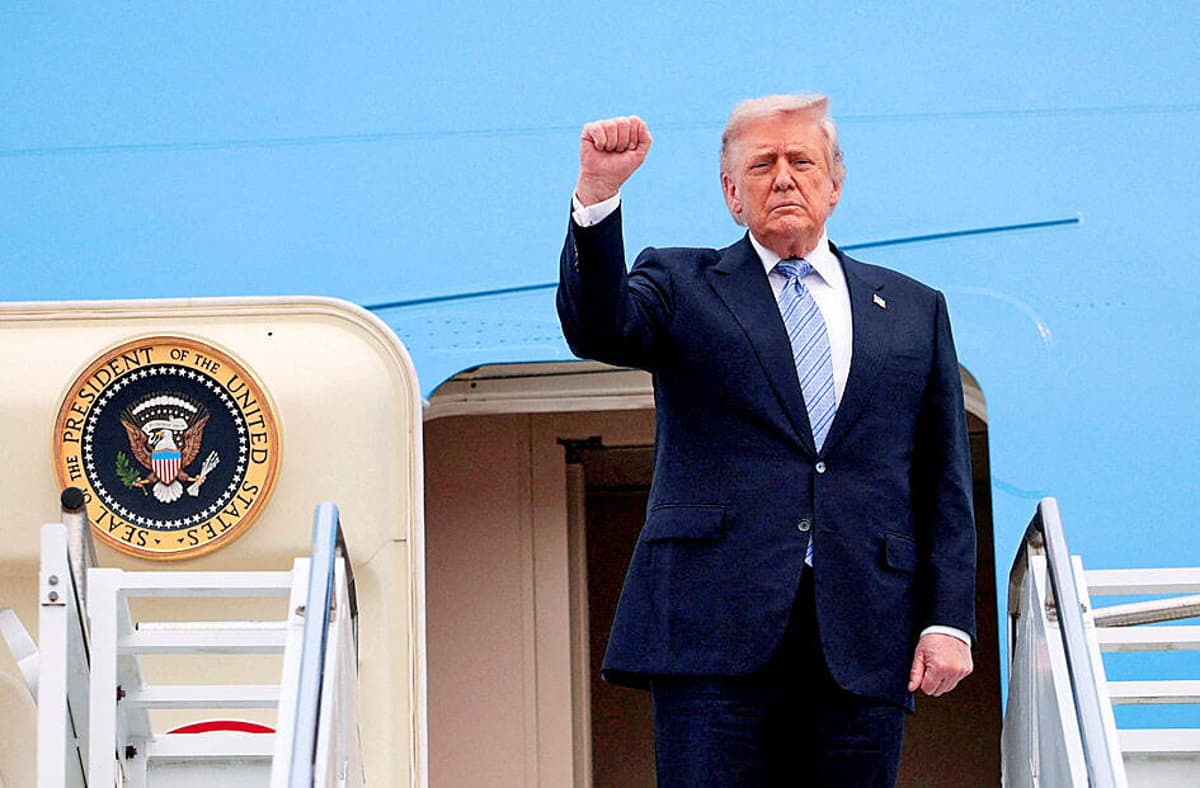
Trump weighs Taiwan arms package
Comments
Want to join the conversation?
Loading comments...