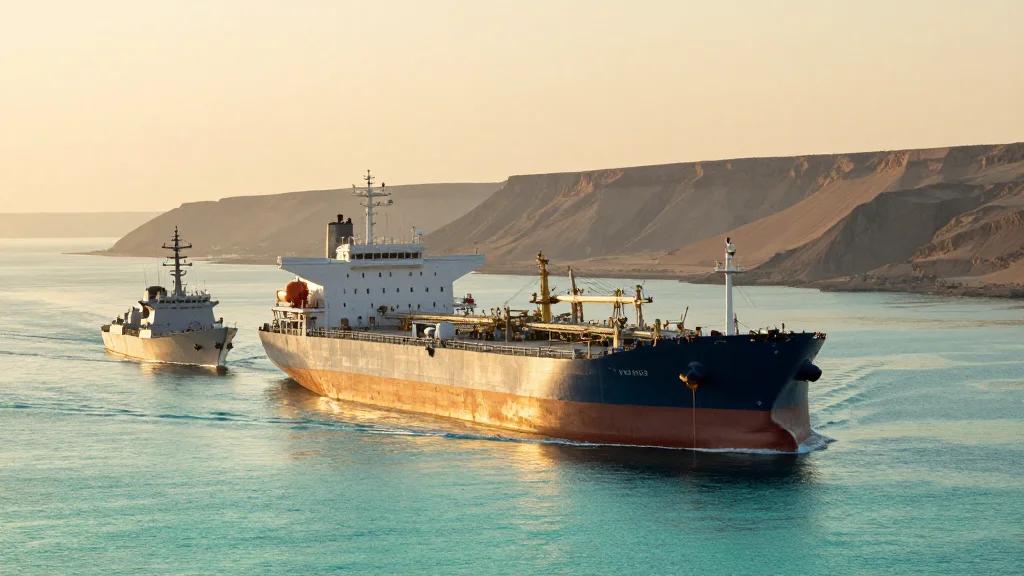
Why It Matters
The ceasefire’s instability threatens to reignite hostilities and jeopardize the flow of oil through the Strait of Hormuz, affecting worldwide energy markets and geopolitical stability.
Key Takeaways
- •Pakistani PM Sharif urges restraint, cites ceasefire violations across conflict zone
- •Iran threatened to close Strait of Hormuz after Israeli strikes on Lebanon
- •UAE, Kuwait, Bahrain report intercepting Iranian missiles and UAV attacks
- •White House dismisses closure reports, stresses ceasefire remains fragile
- •Vice President Vance leads delegation to Pakistan to negotiate permanent peace
Pulse Analysis
The Trump‑brokered ceasefire between Israel and Iran, announced on Tuesday, was hailed as a diplomatic breakthrough but quickly showed signs of strain. Prime Minister Shehbaz Sharif of Pakistan, a key interlocutor in the U.S.‑Iran talks, publicly condemned early violations, underscoring how rapidly the fragile truce can unravel. Simultaneously, Iran’s threat to shut the Strait of Hormuz—a chokepoint that moves roughly 20 million barrels of oil daily—has heightened market anxiety, even as the White House insists the reports are inaccurate. This tension illustrates the delicate balance between diplomatic rhetoric and on‑the‑ground realities in a region where a single misstep can trigger broader conflict.
The potential closure of the Hormuz waterway carries outsized implications for global energy supply chains. A shutdown would force tankers to reroute around the Cape of Good Hope, adding weeks to delivery times and inflating freight costs, which would likely translate into higher gasoline prices worldwide. Moreover, the threat alone has already prompted pre‑emptive positioning by major oil traders, pushing Brent crude futures upward. While the White House reported an uptick in traffic through the strait, the mere prospect of disruption underscores how geopolitical flashpoints continue to dictate commodity markets, reinforcing the need for investors and policymakers to monitor diplomatic developments closely.
In response to the escalating uncertainty, the United States is deploying a high‑level delegation—including Vice President JD Vance, special envoy Steve Witkoff, and Jared Kushner—to Pakistan for intensive negotiations. Their mandate is to solidify a permanent ceasefire that incorporates Lebanon, a demand central to Iran’s stance. Success would not only stabilize the immediate theater but also restore confidence in the diplomatic process that the Trump administration seeks to showcase. Conversely, failure could embolden regional actors and prolong volatility, keeping the Strait of Hormuz—and the global economy—in a precarious limbo.
Trump’s ceasefire already under strain
Comments
Want to join the conversation?
Loading comments...